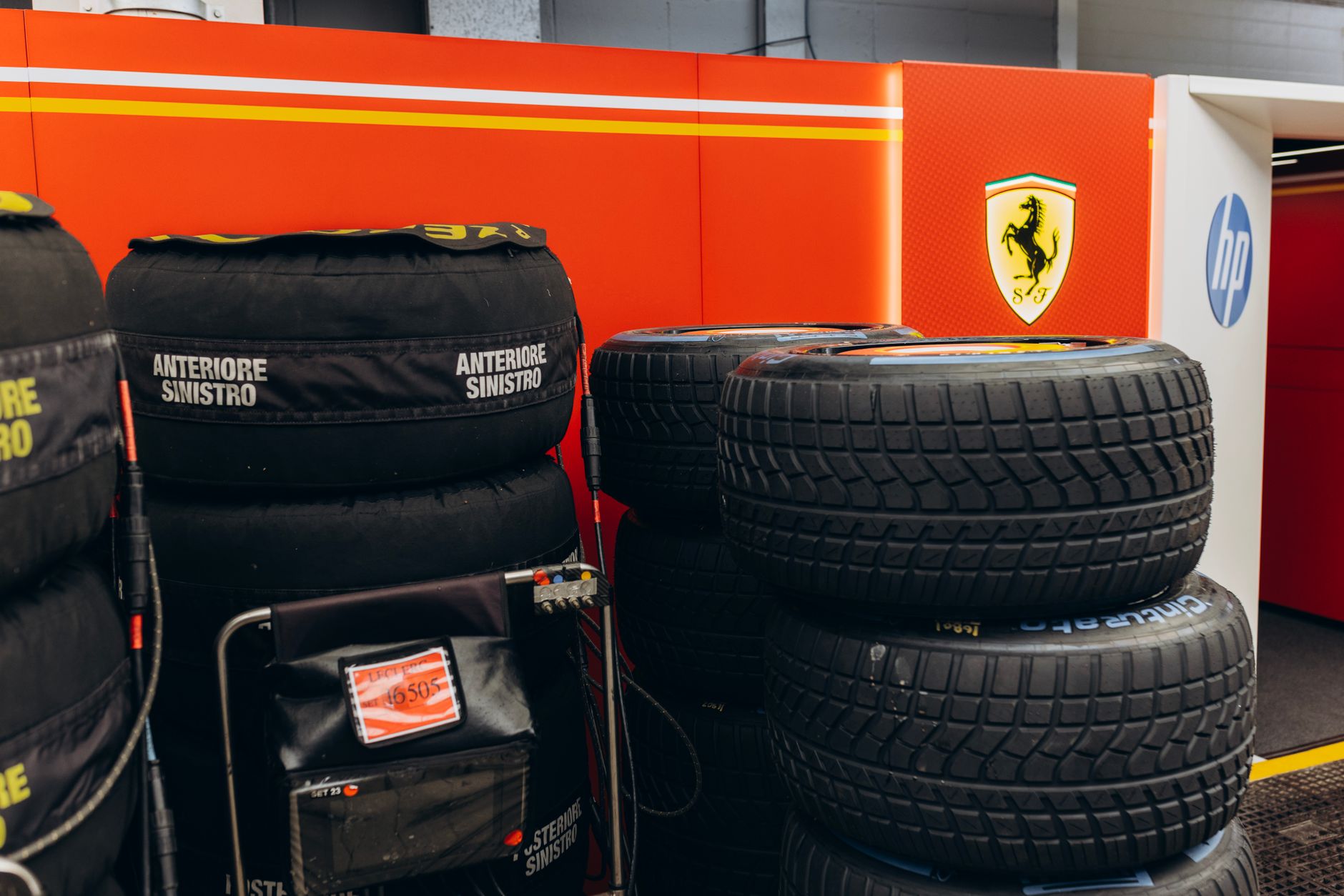
F1's Tyre Compound Naming Is Lying to Everyone, Including the Teams
Soft, medium, hard - three words that mean something different at every circuit and tell you almost nothing useful.
Read more →All sports, all the time
48 posts
Soft, medium, hard - three words that mean something different at every circuit and tell you almost nothing useful.
Read more →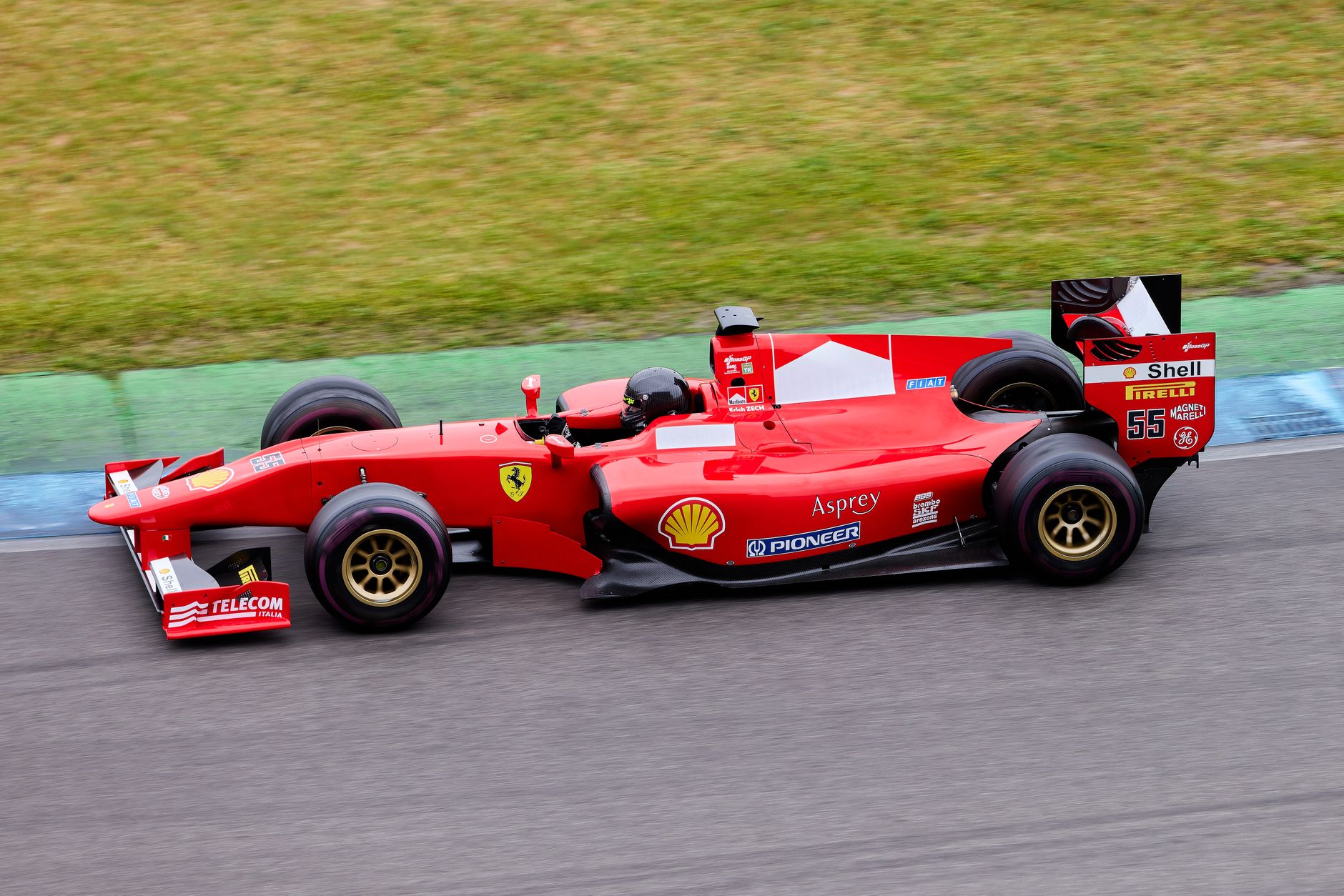
F1 ditched DRS for 2026 and the racing hasn't improved. Drivers are still stuck, just more honestly.
Read more →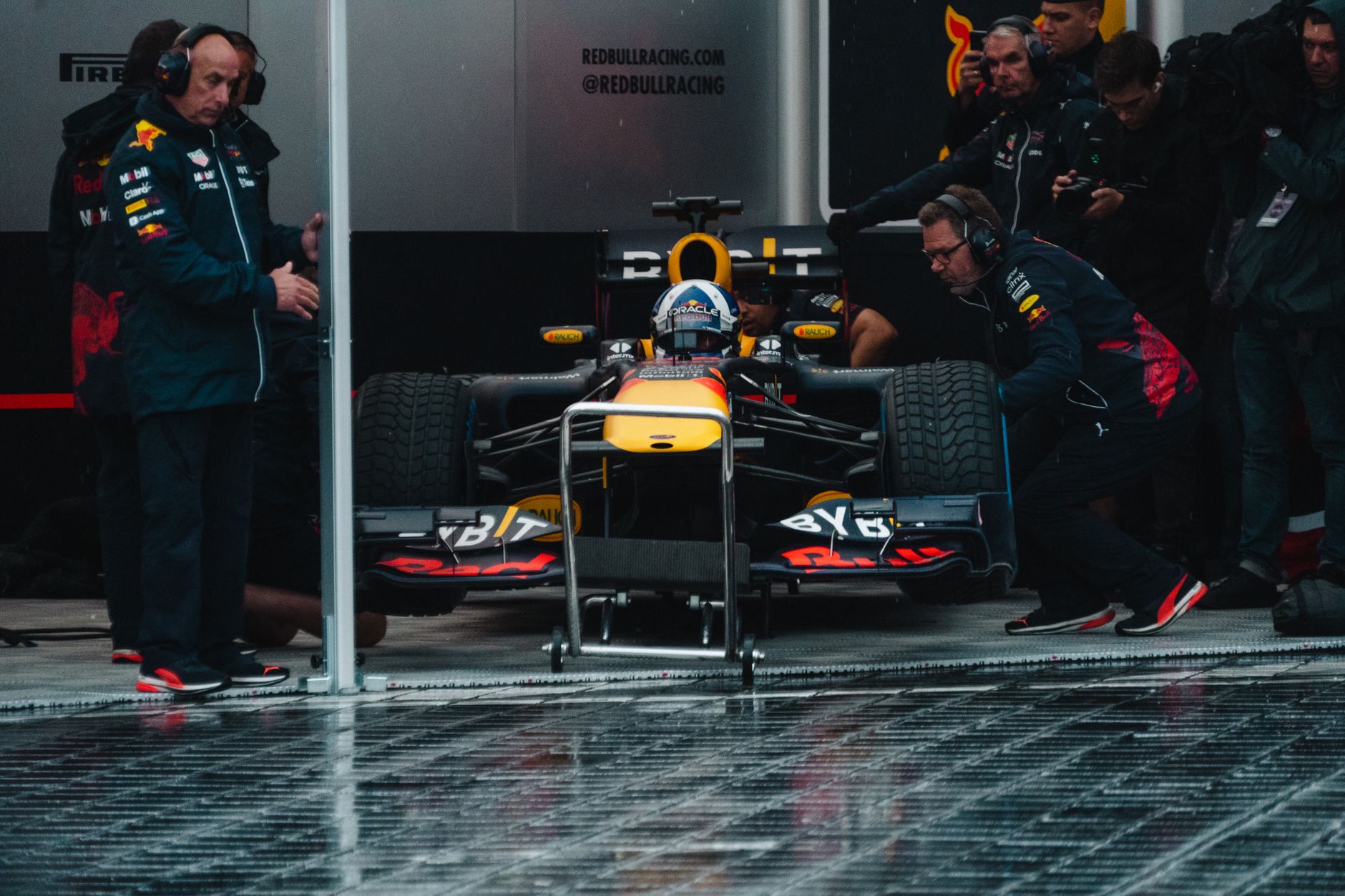
The most praised skill in modern F1 is also the one most responsible for turning grands prix into glorified fuel-saving exercises.
Read more →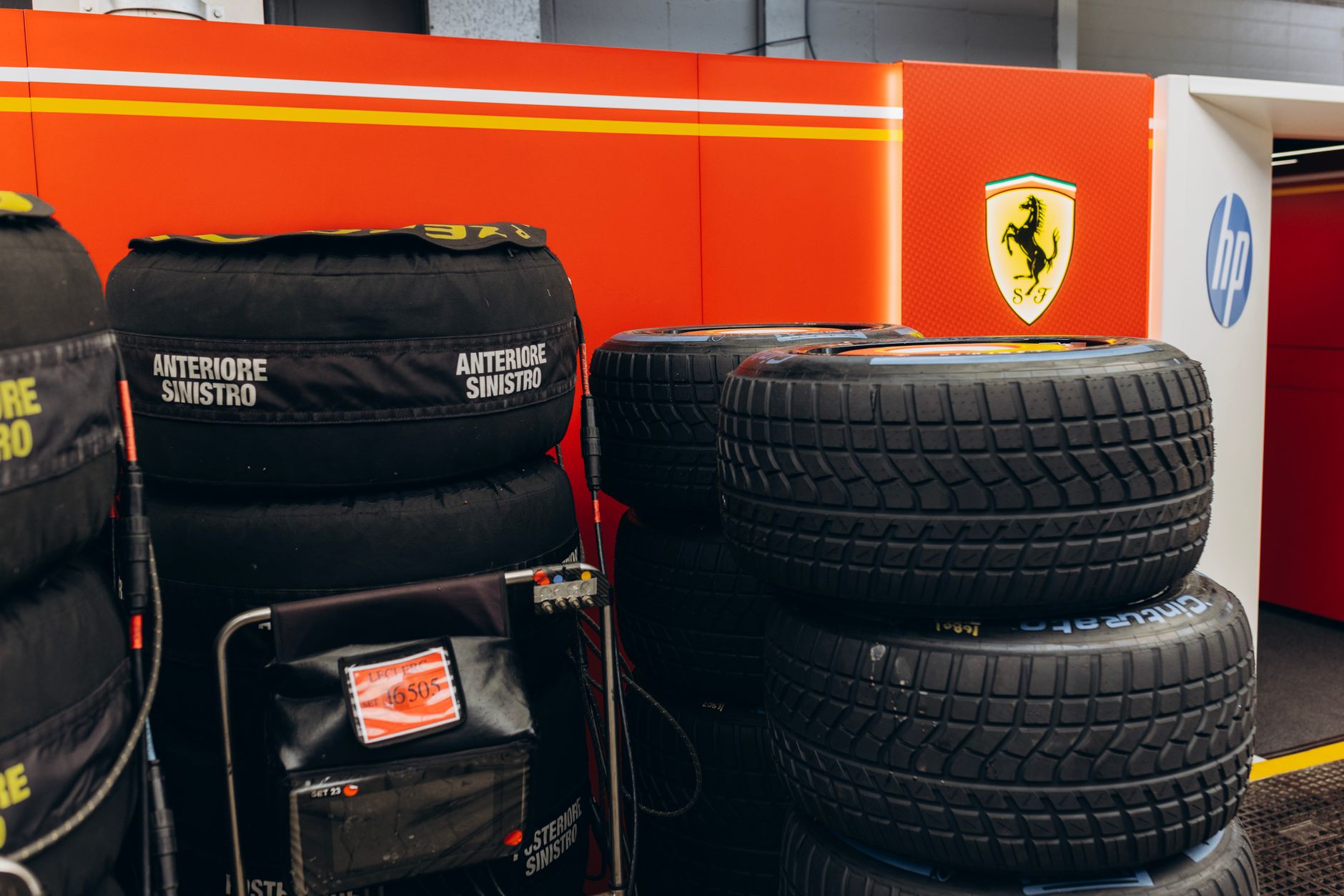
Teams obsess over protecting rubber at the front of stints. The real degradation problem sits somewhere else entirely.
Read more →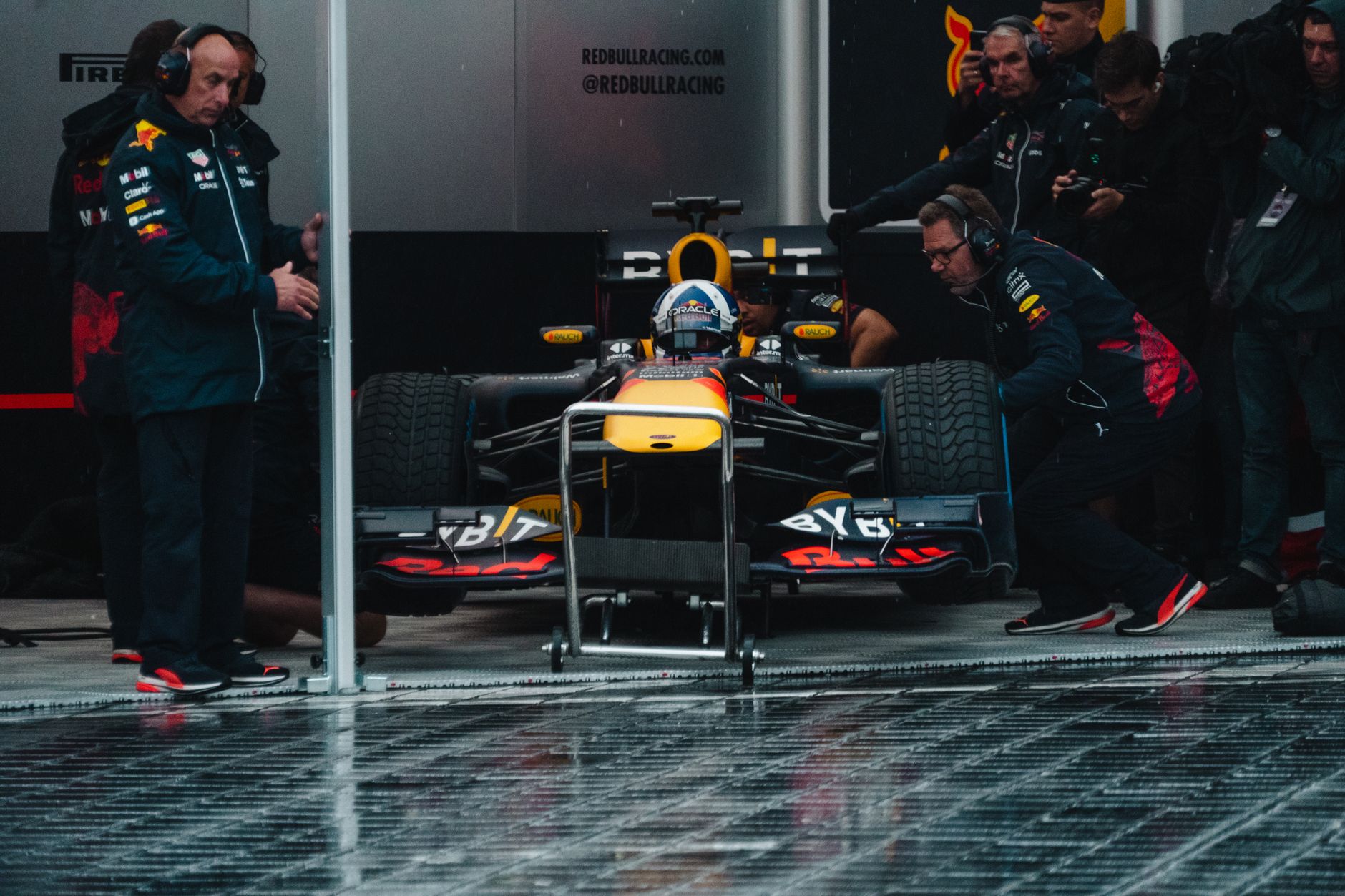
Teams have gotten so good at nursing tyres that the strategic tension F1 promised has collapsed into a procession.
Read more →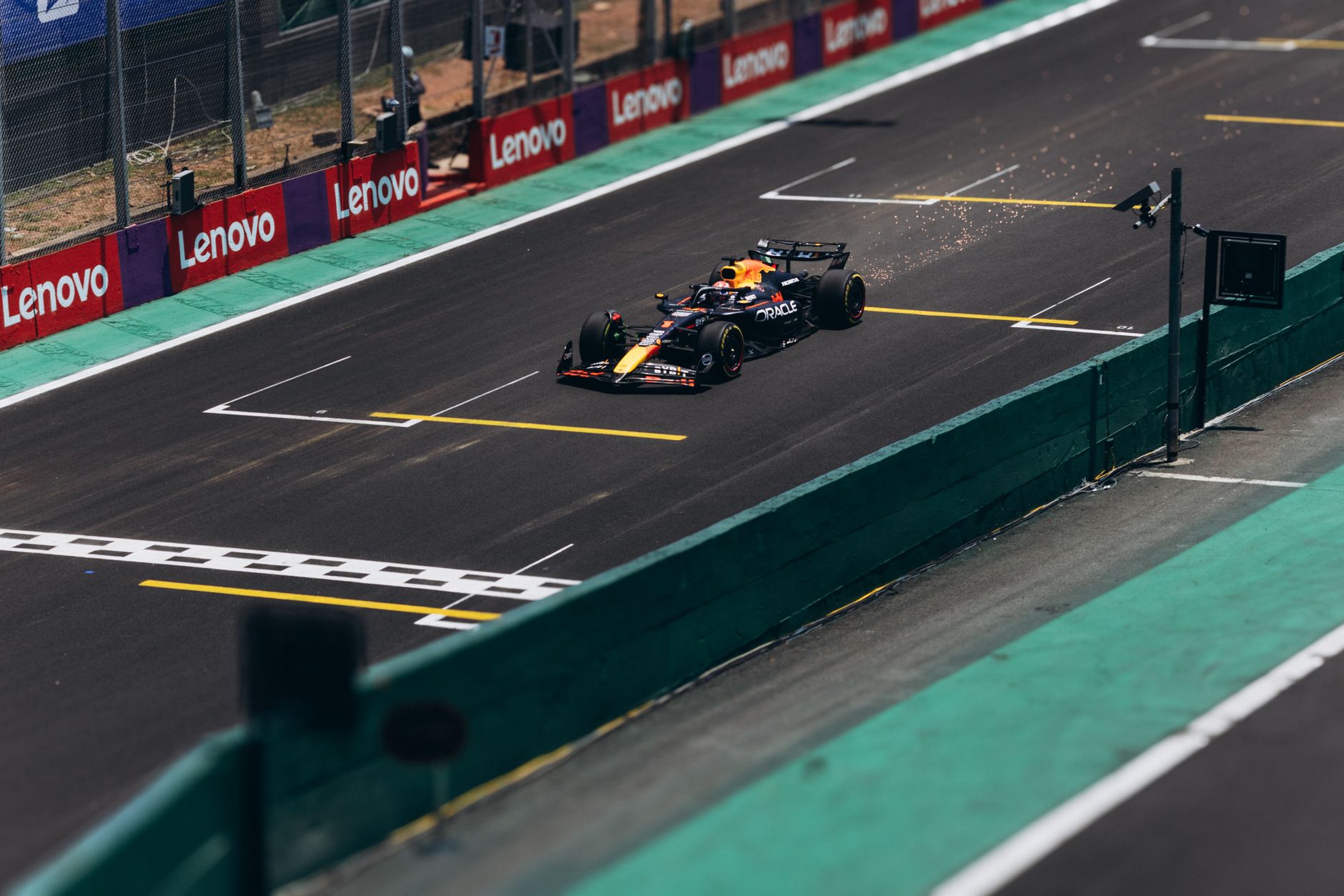
F1 restarts after safety car periods separate drivers by a margin teams can't coach. Some never learn it.
Read more →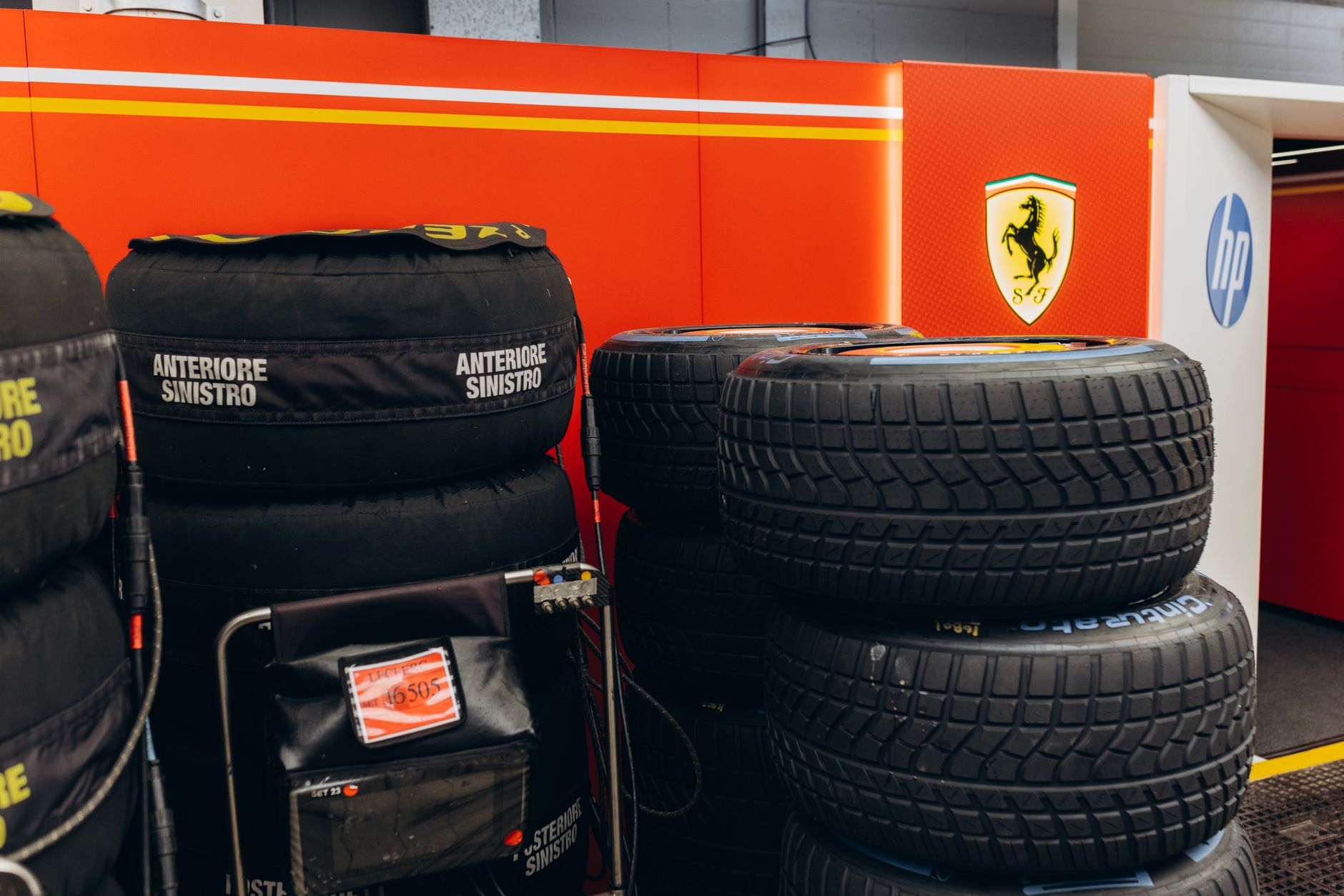
The obsession with tyre preservation has turned Formula 1 grands prix into a procession of throttle lifts and sliding windows.
Read more →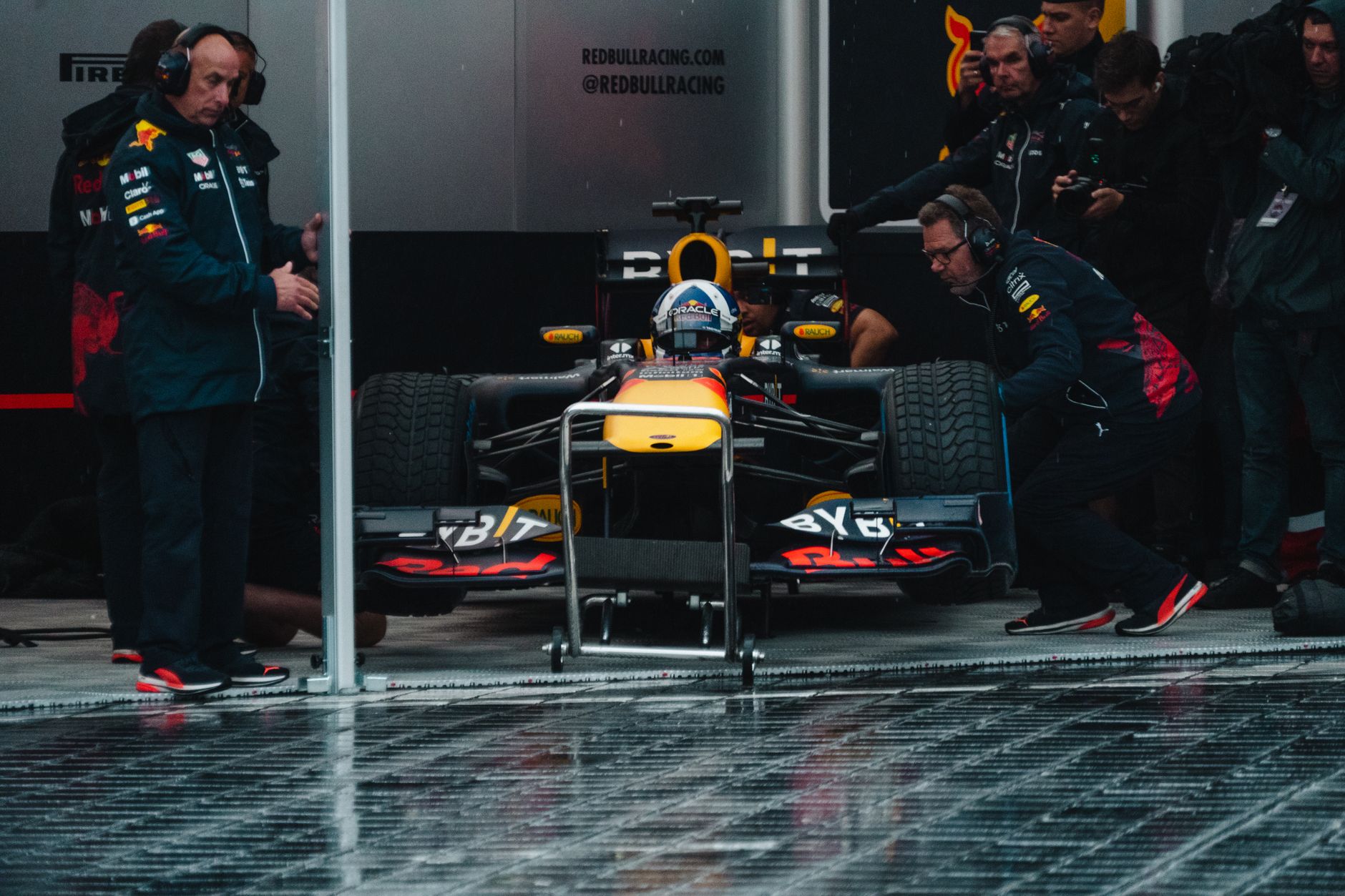
The undercut has become F1's default answer to every strategic problem. That's exactly why it's starting to fail.
Read more →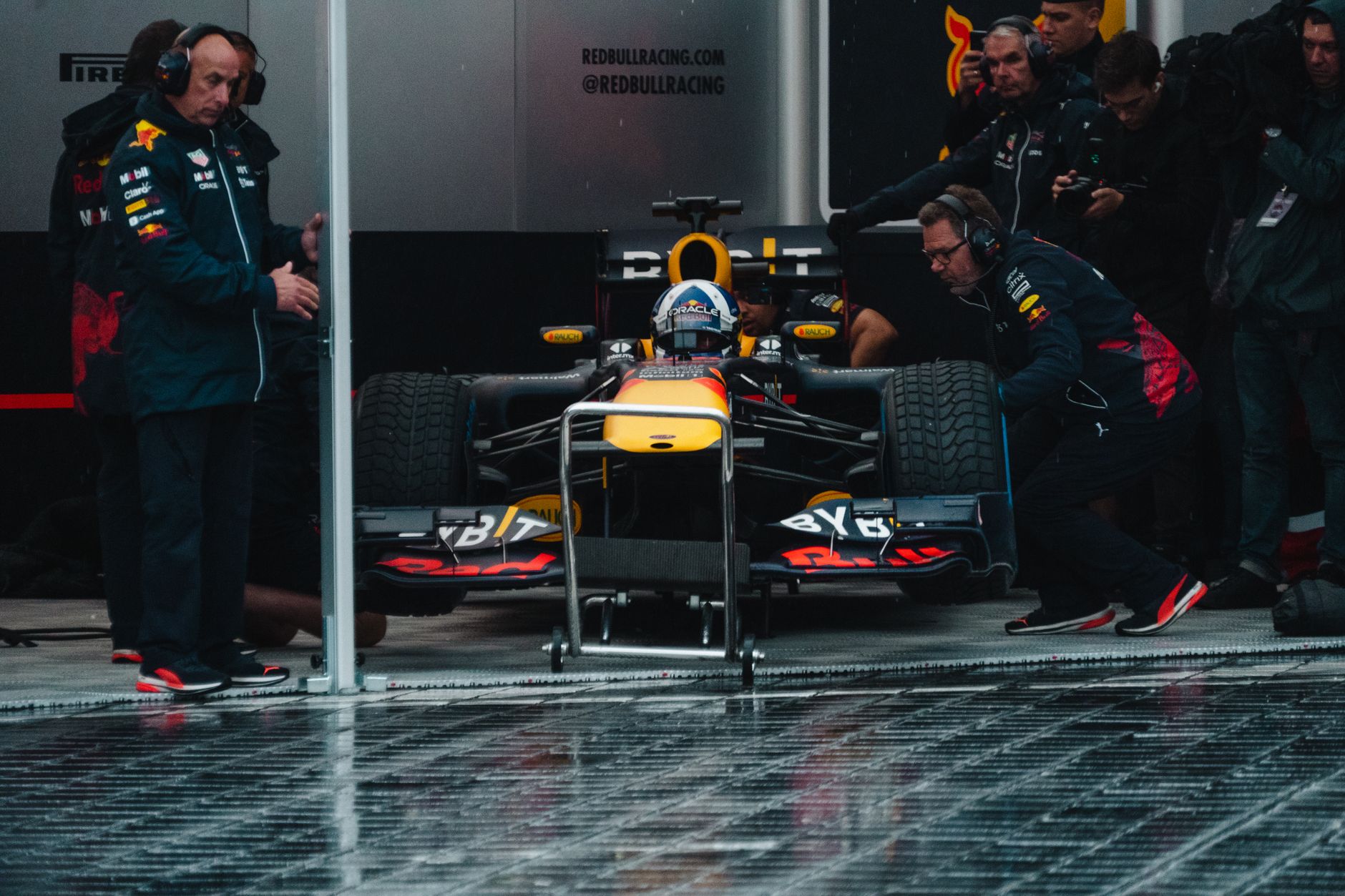
F1 teams keep defaulting to the undercut even when the data screams otherwise. The strategy has become reflex, not reasoning.
Read more →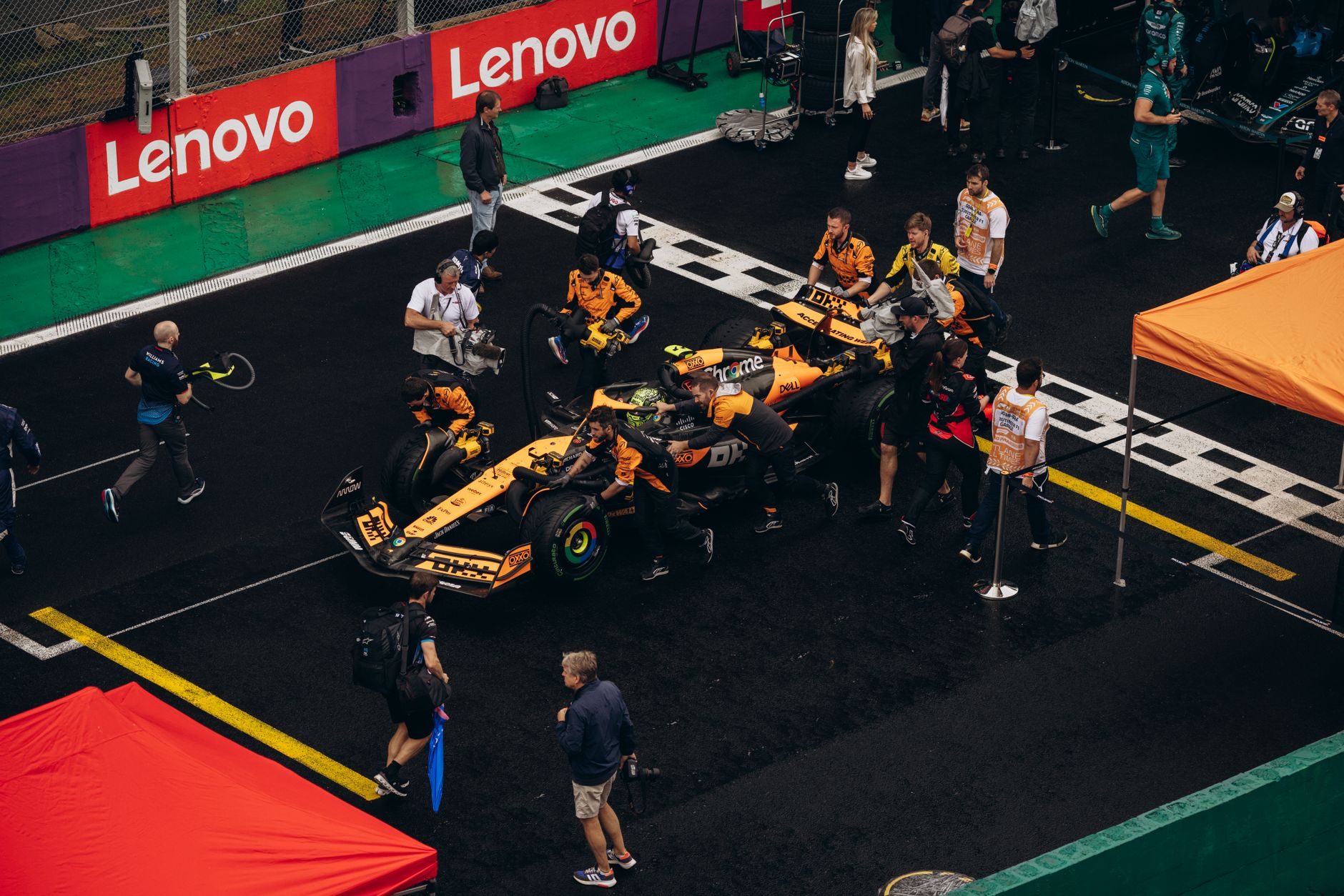
Red Bull's dominance masked years of strategic mediocrity. McLaren's 2026 operation has quietly become the sharpest tactical mind in the paddock.
Read more →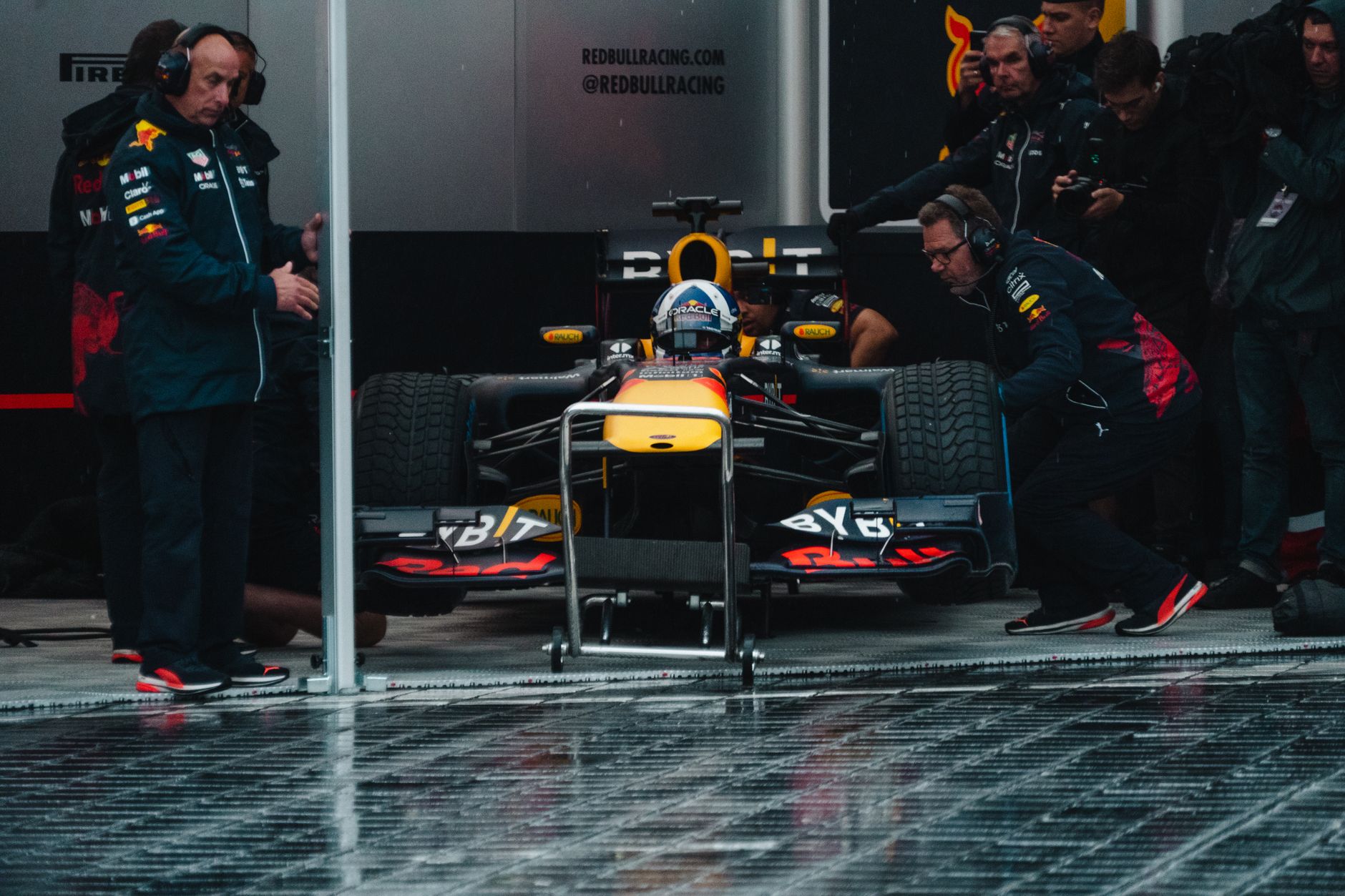
F1 teams keep calling the undercut like it's 2017. Pit wall timing data has caught up, and the move is being neutralised before it even lands.
Read more →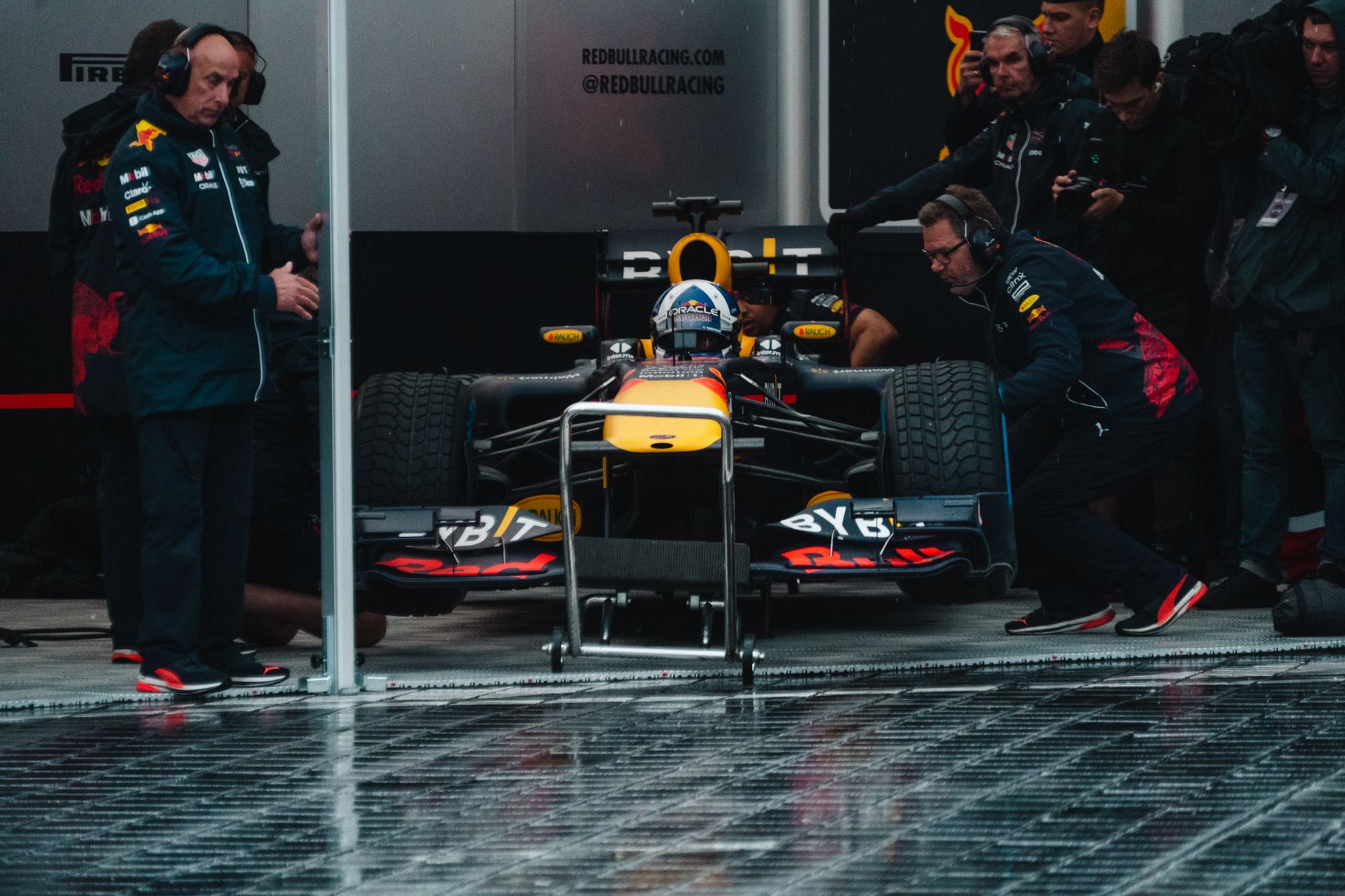
McLaren has won constructors' titles before, but what's happening on their pit wall right now is different - and it's becoming the real competitive advantage.
Read more →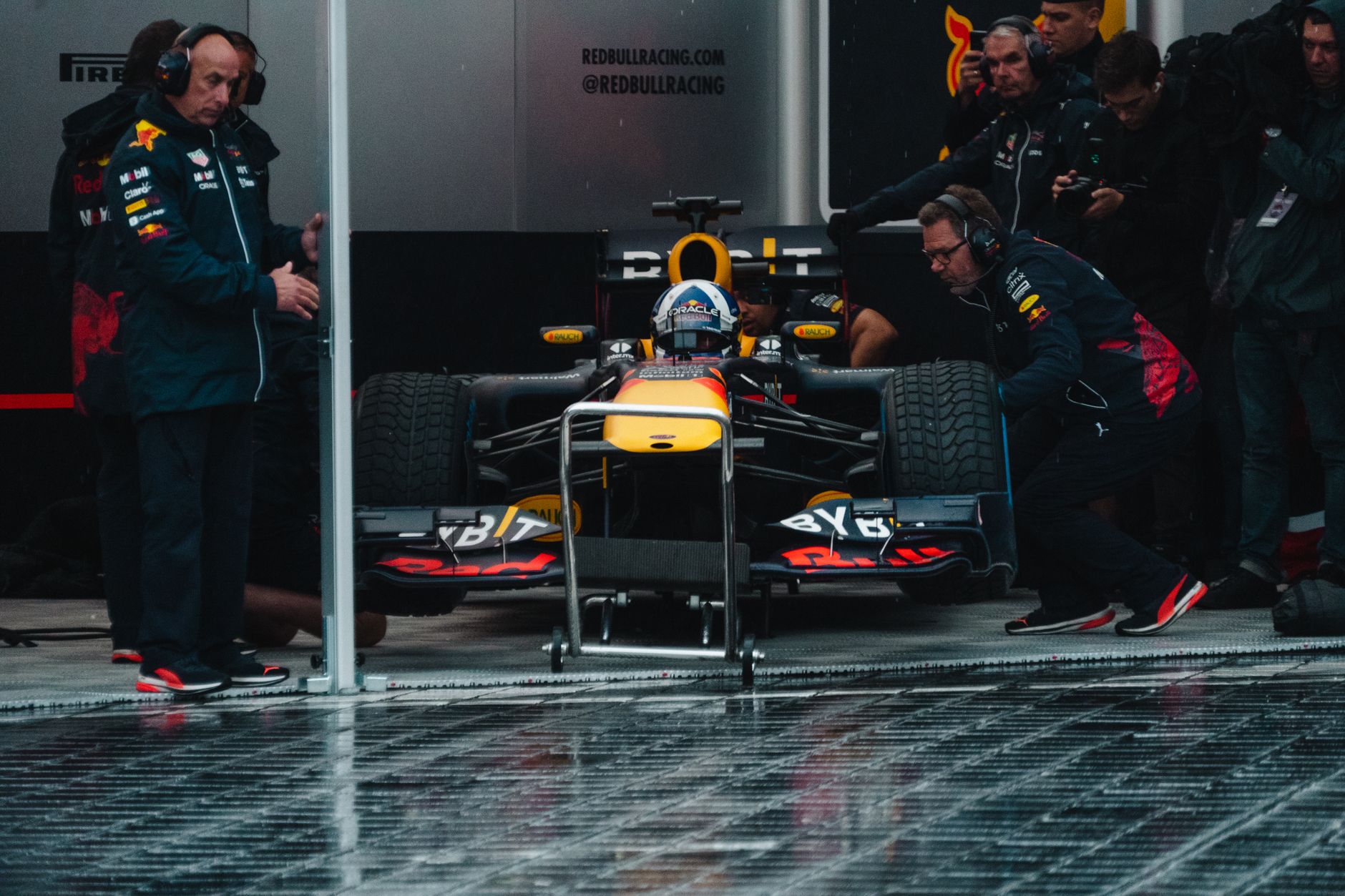
McLaren top the constructors' standings, but their margin hides a structural dependency that one bad stretch could expose.
Read more →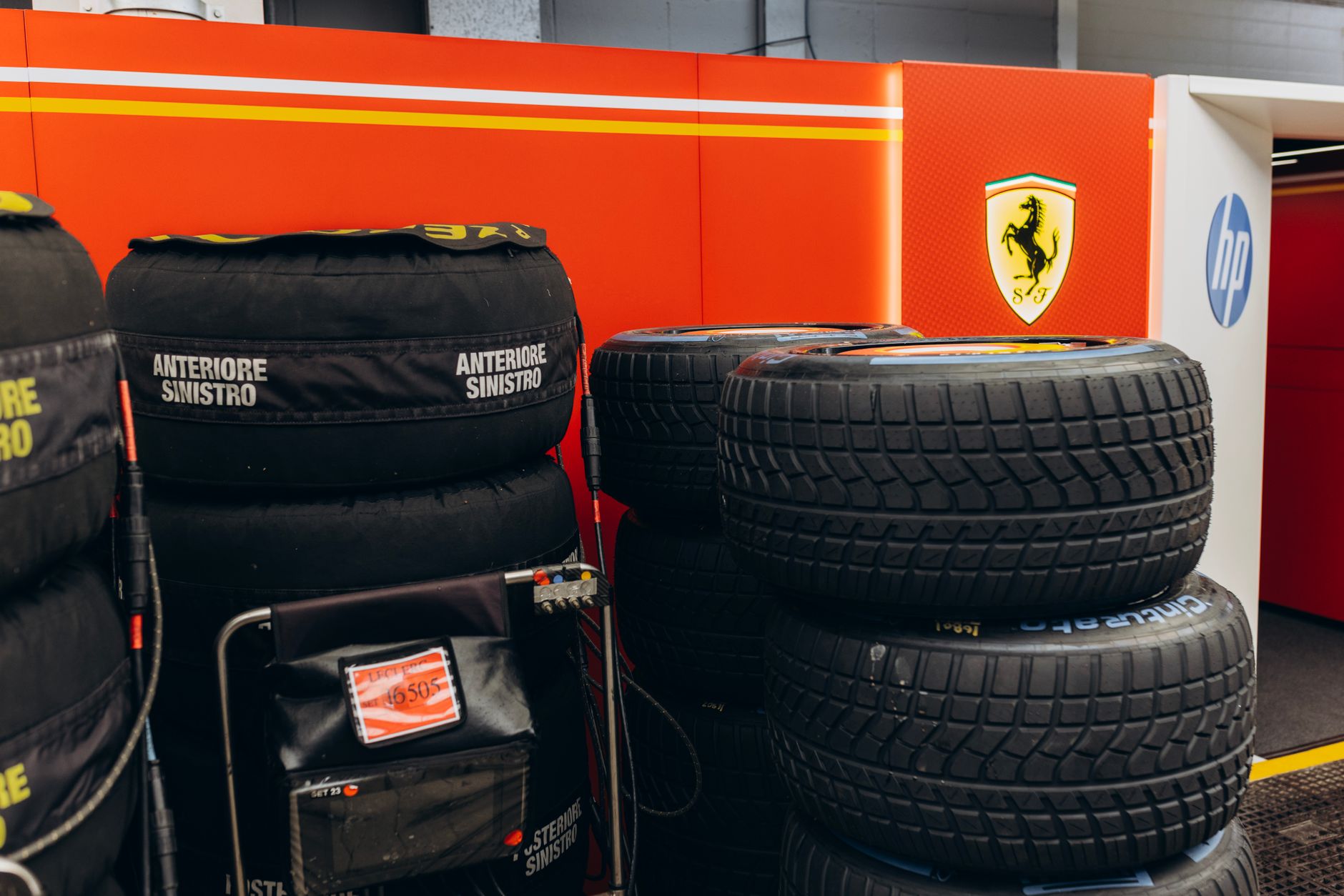
The mandatory compound rules were meant to create strategic variety. Instead, they've handed power to a handful of teams who understand degradation better than anyone else.
Read more →