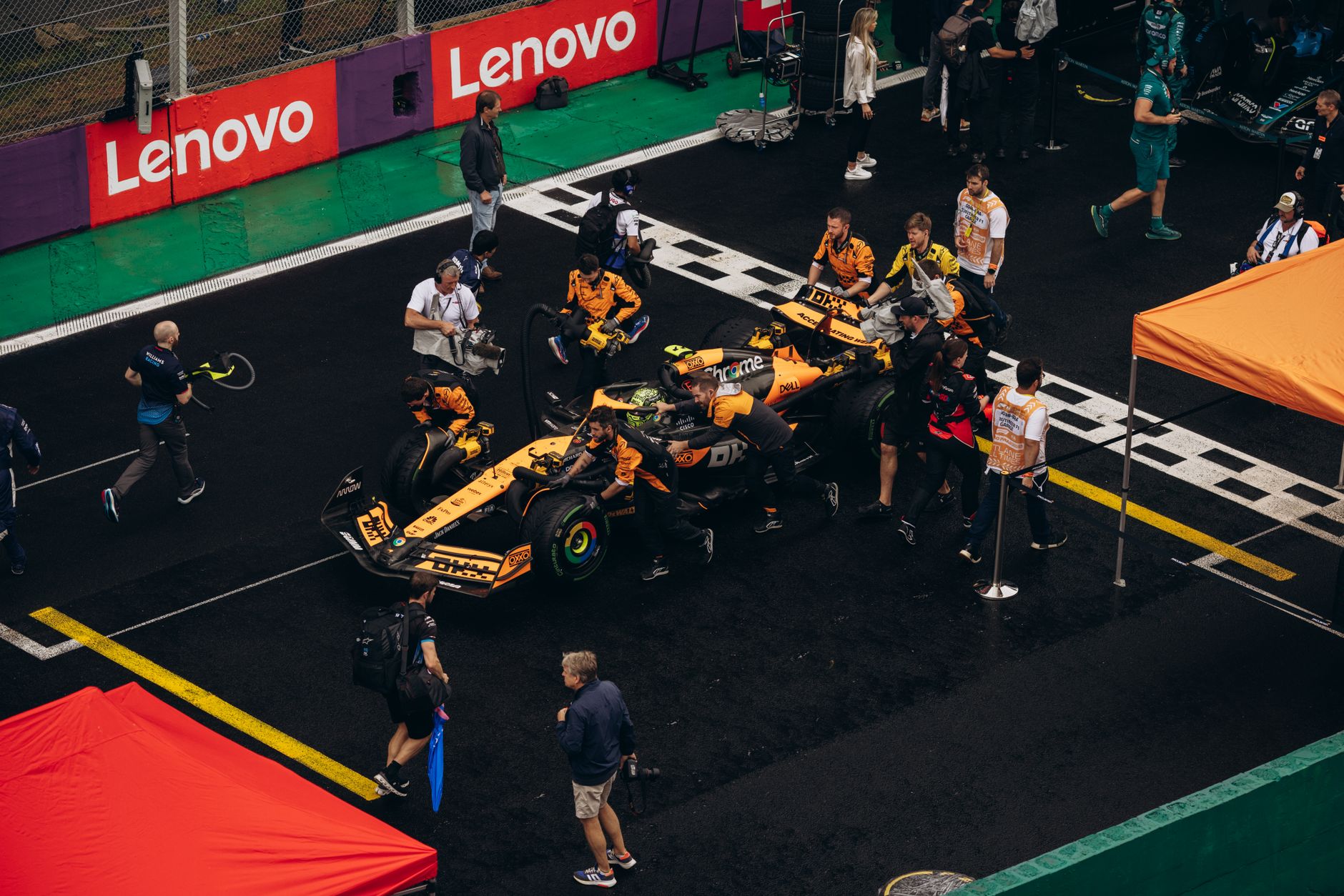
The undercut was supposed to be the sharp tool - pit early, put your rival on old rubber, watch them surrender the place. For a stretch in the late 2010s it was almost embarrassingly effective. Now it’s become the strategic equivalent of a panic button that teams press because they don’t know what else to do.
The problem is tyre delta. The undercut only works when the car on fresh rubber can lap significantly faster than the car still running. With Pirelli’s current compounds - particularly the C3 and C4 range that dominates medium-pace circuits - the performance cliff doesn’t arrive early enough to make an early stop decisive. You pit, you gain two seconds in the stop itself, and then you spend six laps stuck in dirty air behind traffic while your rival’s tyres are still perfectly capable. The net result is neutral at best.
What’s replaced the undercut as the actual lever is tyre management variance - the gap in degradation rates between two cars running different lines or different fuel maps. When one driver is nursing rubber through Sector 2 and another is pushing flat, the strategy call that matters isn’t who pits first, it’s who can extend longest without falling off a cliff. That’s an overcut story, not an undercut one. And the overcut requires patience that most pit walls, under the compressed communication of a race window, find genuinely difficult to commit to.
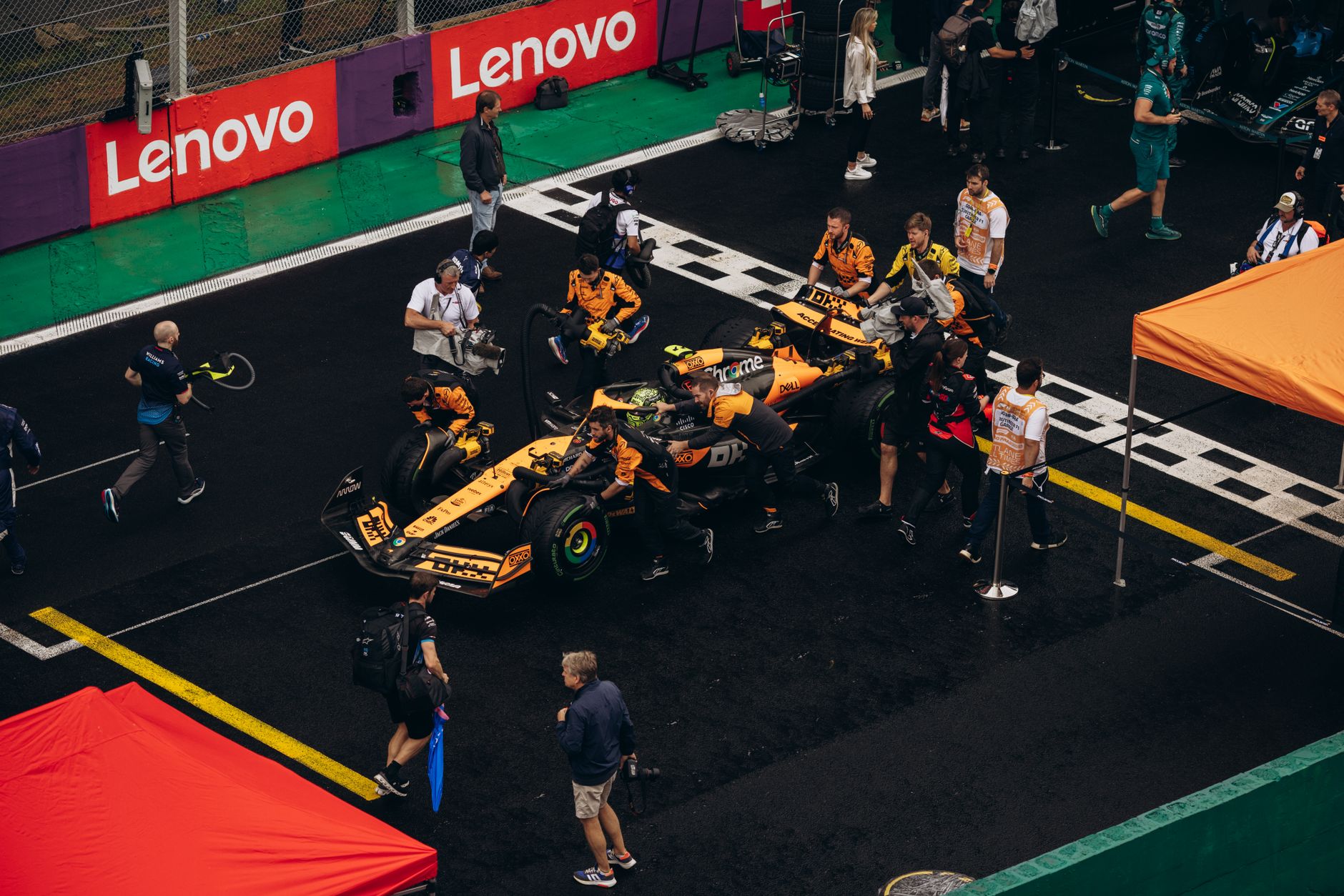
You can trace part of this back to the 2022 regulation reset. The ground-effect cars generate more mechanical grip in isolation but they’re also more sensitive to the aerodynamic environment around them. Overtaking on track became more feasible - which means the undercut’s historical justification, that you couldn’t pass on track so you had to pass in the pit lane, is weaker now than it’s been since the refuelling era.
Teams know this. The data is there. And yet every race weekend, when a driver drops two tenths in a sector, the radio crackles and someone mentions boxing. It’s a reflex, not a decision.
The teams that win championships in the second half of this decade will be the ones that treat the undercut as a last resort rather than a first instinct. Right now, that’s a very short list.