Race wins are the most effective sedative in Formula 1. The moment Ferrari takes a chequered flag, a familiar cycle kicks in - the tifosi exhale, the Italian press softens, the internal pressure drops just enough to let the real problems breathe.
Ferrari have taken victories this season. The car, at its best, is quick. Charles Leclerc is driving some of the cleanest racing of his career. On paper, the story sounds like a comeback.
It isn’t.
The Car Is Only Fast in the Right Window
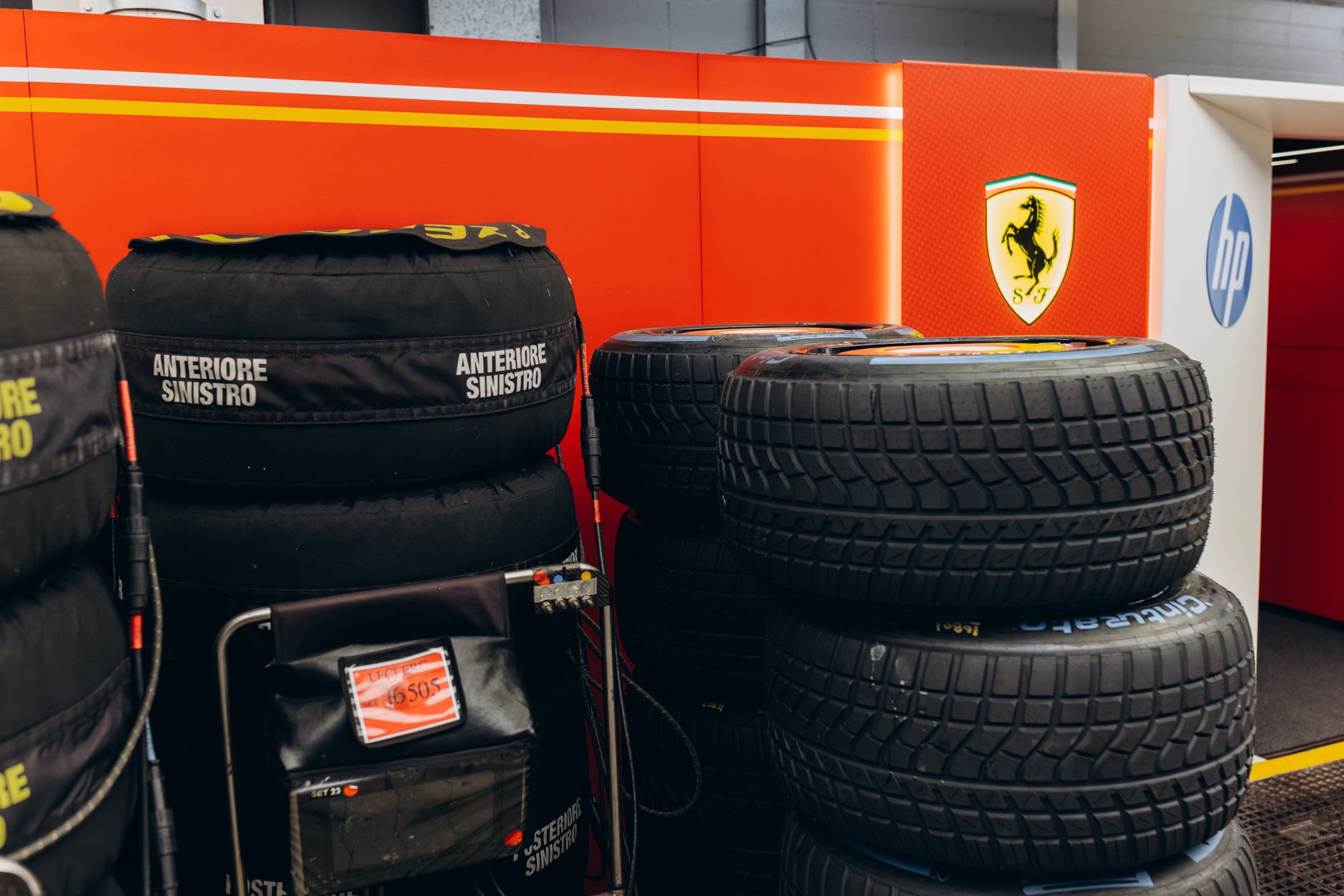
Watch what happens when tyre temperatures don’t sit where the SF-26 wants them, or when a safety car scrambles the strategy. The pace that looked world-class in qualifying becomes average by lap 40. This isn’t a new observation - it echoes what Ferrari engineers themselves conceded about the 2023 car, and what was visible throughout 2024. A narrow operating window isn’t a setup problem you tune away; it’s a philosophy problem baked into how the car was conceived.
McLaren and Mercedes have both shown this year that their cars work across a wider range of conditions. That’s not luck. That’s a different kind of engineering discipline, one that accepts slower peak pace in exchange for consistency. Ferrari keeps choosing the spike over the plateau.
Leclerc Is Carrying Too Much
Ferrari’s second seat has not stabilised the team’s points average in the constructors’ standings. When Leclerc has an off weekend - a tangle at Turn 1, a grid penalty, a tyre call that doesn’t land - the team haemorrhages points in a way that McLaren simply doesn’t when one of their drivers drops out.
The constructors’ title is rarely won by the fastest car. It’s won by the team that stops losing points when things go sideways.
Strategy Still Trails the Thinking at the Front
This is the part nobody at Ferrari seems to want to own publicly. The undercut calls, the timing of the second stop, the decisions made under the safety car - there’s a hesitancy that McLaren and Red Bull don’t exhibit. It looks like committee thinking, where the call that everyone can defend afterward is preferred over the call that actually wins the race.
Wins feel good. They should. But Ferrari have won races before and still arrived at the end of October wondering what happened. There’s a version of 2026 where that happens again, and it’s not a pessimistic version - it’s the default trajectory unless something structural changes. The wins just make it harder to see.