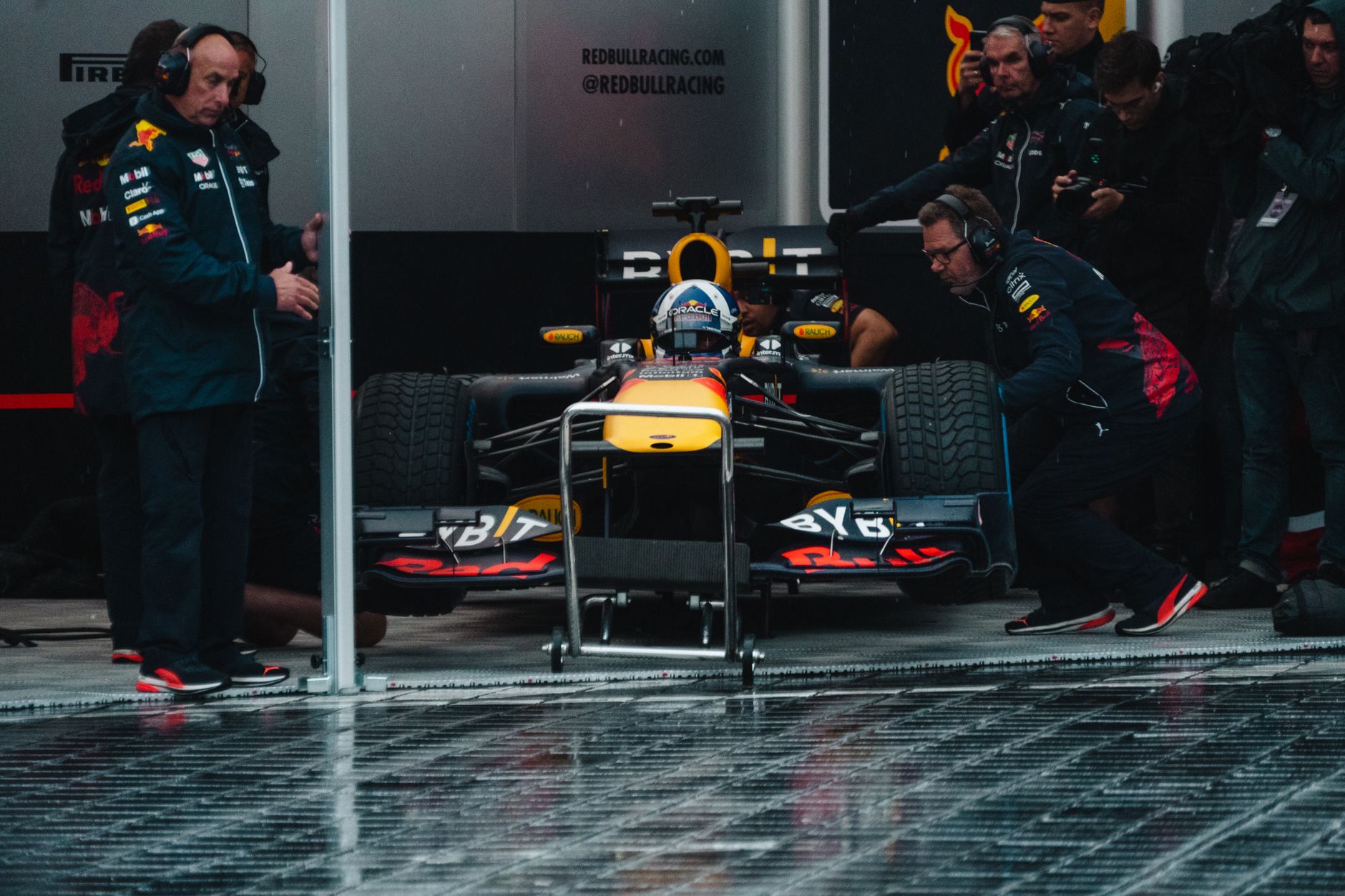
The gap between McLaren and the rest of the field in 2025 wasn’t always visible in qualifying. On raw pace, Ferrari and Red Bull were close enough that on any given Saturday, you could reasonably argue they had the faster car. What they didn’t have - and couldn’t manufacture quickly - was the quality of decision-making coming from McLaren’s pit wall.
Andrea Stella has rebuilt something at McLaren that goes beyond the technical. The team’s strategy calls last season were consistently sharper than their rivals, not because they had better data, but because they committed to calls earlier and deviated less when conditions changed mid-race. That sounds simple. In practice, almost every other team struggles with it.
Take the Monaco Grand Prix. When the safety car came out on lap 28, McLaren responded within one lap. Ferrari waited two laps before calling Leclerc in - by which point the window had partially closed. That kind of hesitation isn’t down to bad data; Ferrari’s analysts would have been looking at the same timing sheets. It’s a decision-making culture issue, the tendency to seek one more data point before committing.
Red Bull have had the opposite problem. Under Christian Horner, the team became so reliant on Adrian Newey’s car advantage during the dominant years that their strategic nous was never truly tested. Now that the car is closer to the pack, the strategic weaknesses are visible. Their double-stacking calls have misfired twice in the last two seasons in situations where McLaren, in the same race, got it right.
What Stella Actually Changed
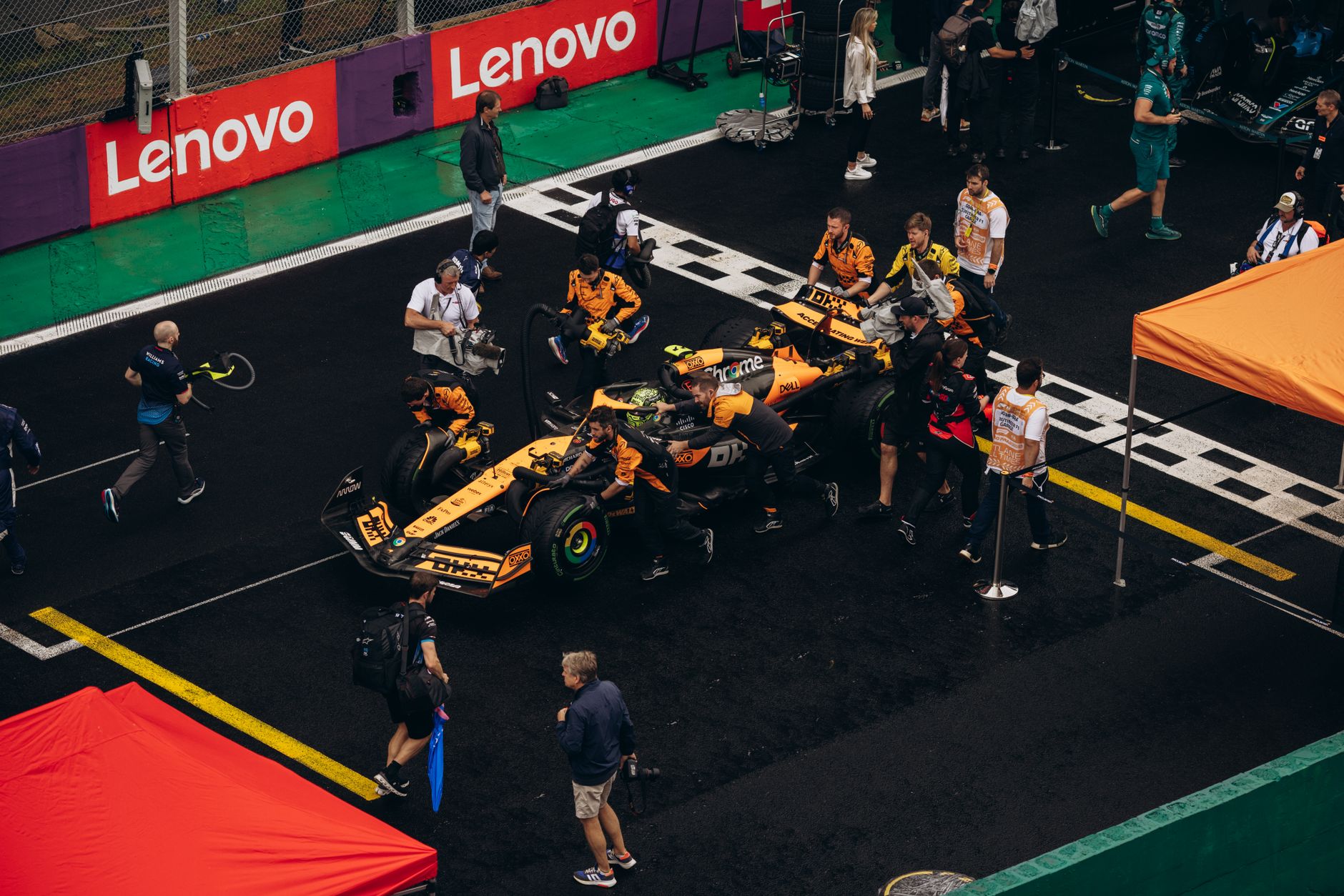
Before Stella took over, McLaren were a team that reacted to races. The shift since late 2023 has been toward setting races up - managing tire windows proactively, gambling on early undercuts when the car had the pace to back it up, and crucially, not second-guessing themselves on the radio when a driver pushed back.
That last part matters more than people acknowledge. When Norris questioned a call in Bahrain this year, the response from the pit wall was clean and firm. The call stood, it worked, and the team dynamic stayed intact. Managing driver-strategy disagreements in real time, without drama bleeding into the next stint, is genuinely hard to do.
Few teams consistently get all three pieces right - the read, the timing, and the execution. McLaren, right now, do. The rest of the grid hasn’t found a structural answer to that yet.