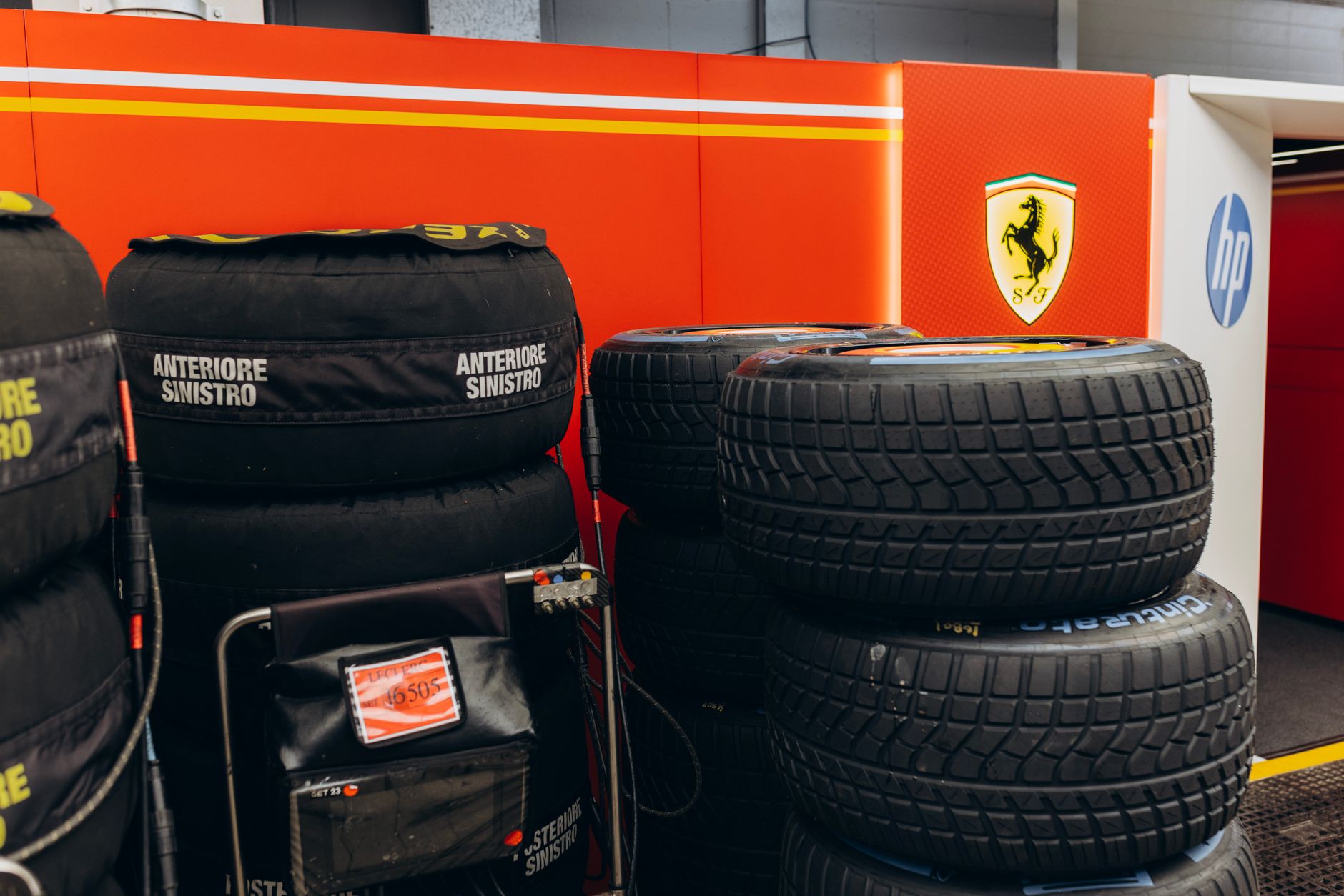
For roughly a decade, tyre management was the invisible discipline that separated genuine race craft from pure pace. Drivers who could nurse a compound fifteen laps longer than their rivals - Alonso doing it in a Lotus, Vettel doing it in anything - earned positions without ever overtaking. Pirelli’s operating windows were narrow enough that working outside them cost seconds per lap, which meant strategy was essentially a game of thermal degradation poker.
The 2026 regulation overhaul, combined with Pirelli’s corresponding shift toward compounds with wider thermal windows, has meaningfully changed that equation. The new power unit regulations have altered the mechanical and aerodynamic loads tyres experience, and the early evidence from the 2026 season suggests we are watching races that reward outright pace far more than they reward conservation.
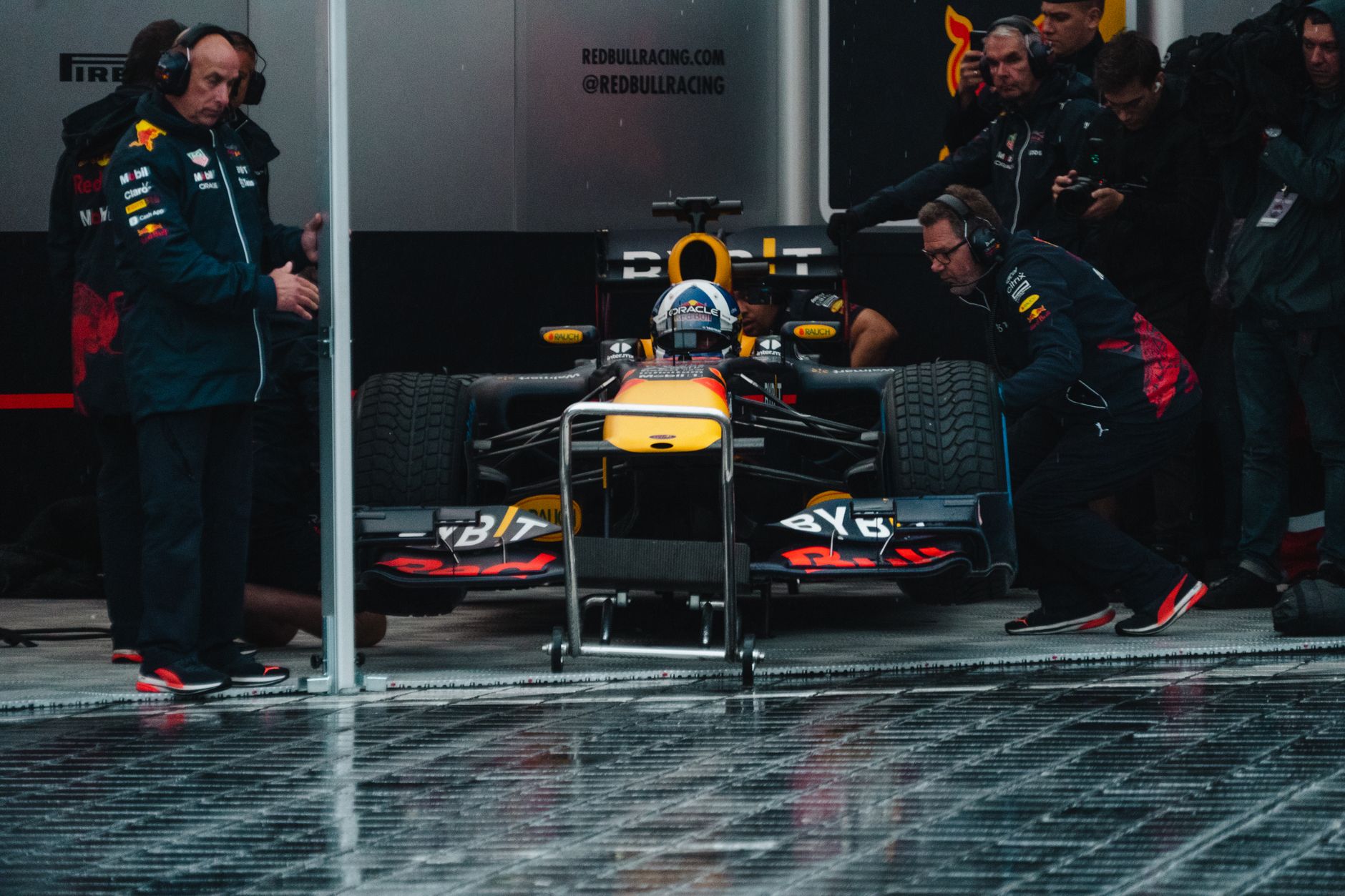
The teams who have adapted structurally are already visible. McLaren’s pit wall has been aggressively underutting on hard compounds rather than extending stints. Red Bull, for all their early-season mechanical turbulence, has moved toward two-stop strategies almost by default rather than trying to manage their way into a one-stopper that no longer makes mathematical sense on most circuits.
Then there are the teams still playing the old game.
Aston Martin’s strategists have been caught repeatedly setting target lap times for their drivers that prioritise tyre temperature management over raw sector pace - an approach that made sense in 2023 and arguably cost them track position in 2026. Haas have done something similar, betting on tyre longevity at circuits where the compounds simply don’t degrade the way their models presumably predicted.
This is not a failure of driver talent. It is a failure of institutional adaptation - teams whose race simulation tools were built around degradation curves that Pirelli has effectively retired.
The broader irony is that tyre management became so central to F1’s identity between roughly 2011 and 2024 that some teams built their entire operational culture around it. Hiring decisions, simulator priorities, data science investment - all of it skewed toward understanding and exploiting thermal behaviour. Unwinding that institutional bias is genuinely hard, and it does not happen in a single winter.
Pace has always mattered in F1, obviously. But for the first time in a long time, it is becoming close to sufficient on its own. For the teams still racing shadows of a previous era’s tyre model, that is a slow bleed they may not diagnose until the season is already gone.