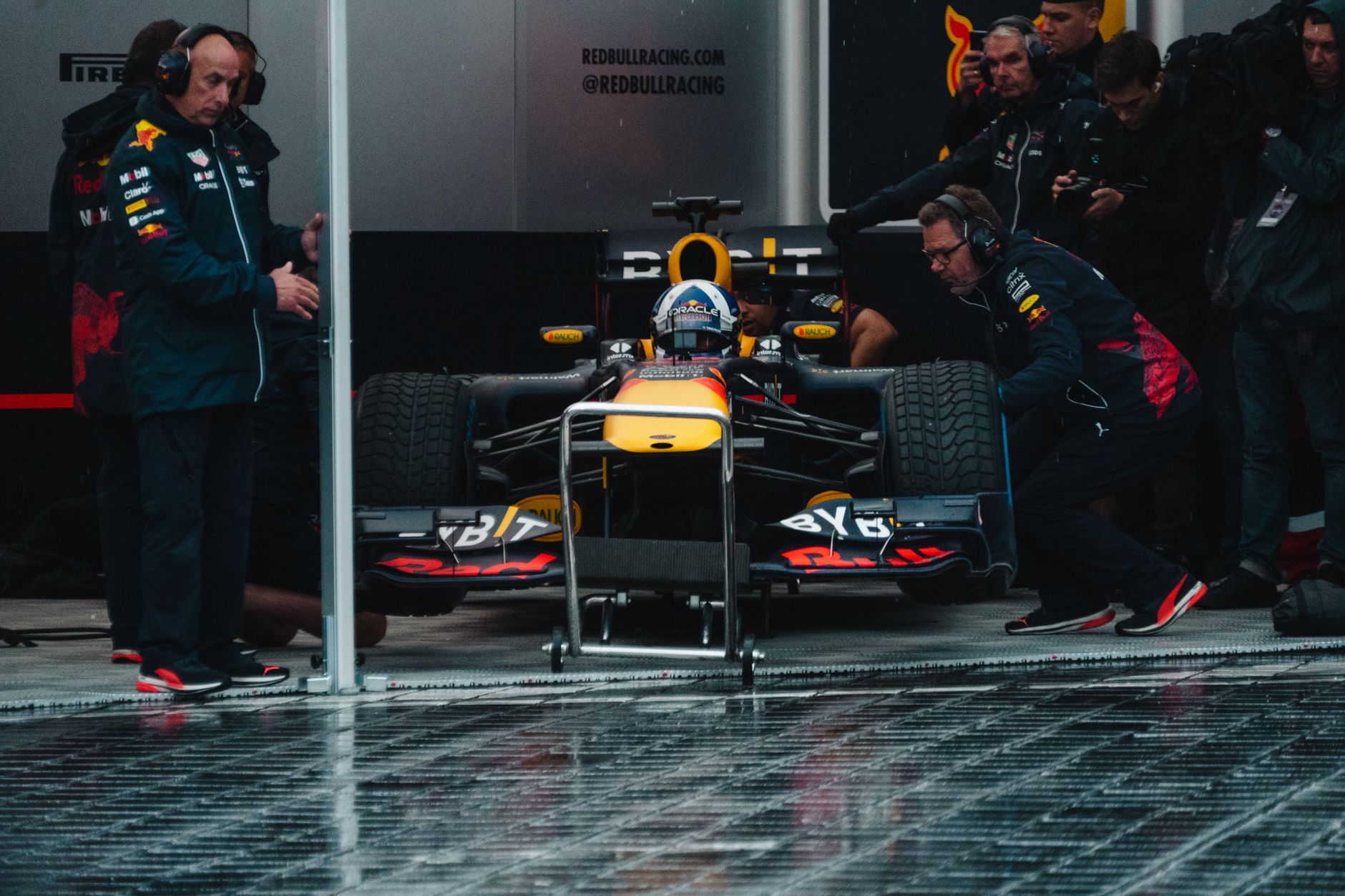
There’s a version of the Mercedes narrative that writes itself every time George Russell stands on the top step: the silver arrows are back, the turnaround is complete, Hamilton’s departure was actually the reset they needed. It’s a tidy story. It’s also doing a lot of work to paper over some uncomfortable gaps.
Mercedes have clearly closed on Red Bull and Ferrari in raw pace. The W17’s low-speed handling issues that plagued much of the 2024 season appear largely resolved, and their tyre management on medium compounds has been notably cleaner. But race wins in the current regulation cycle have come in conditions that flatter their car - cooler track temperatures, circuits where traction out of slow corners matters more than high-speed downforce. When the heat goes up and the high-speed load requirements increase, the gaps to McLaren and Ferrari tend to widen again.
The driver situation is worth sitting with for a moment. Kimi Antonelli is 18 and showing genuine pace - his qualifying lap in Bahrain was legitimate, not a fluke. But there’s a difference between a teenager who can extract a fast lap and one who can manage a championship campaign across 24 races. That difference only becomes visible over time, and Mercedes are currently choosing to find out at full speed rather than in a lower-stakes environment. That’s their call to make, but it’s a risk they’re narratively underplaying.
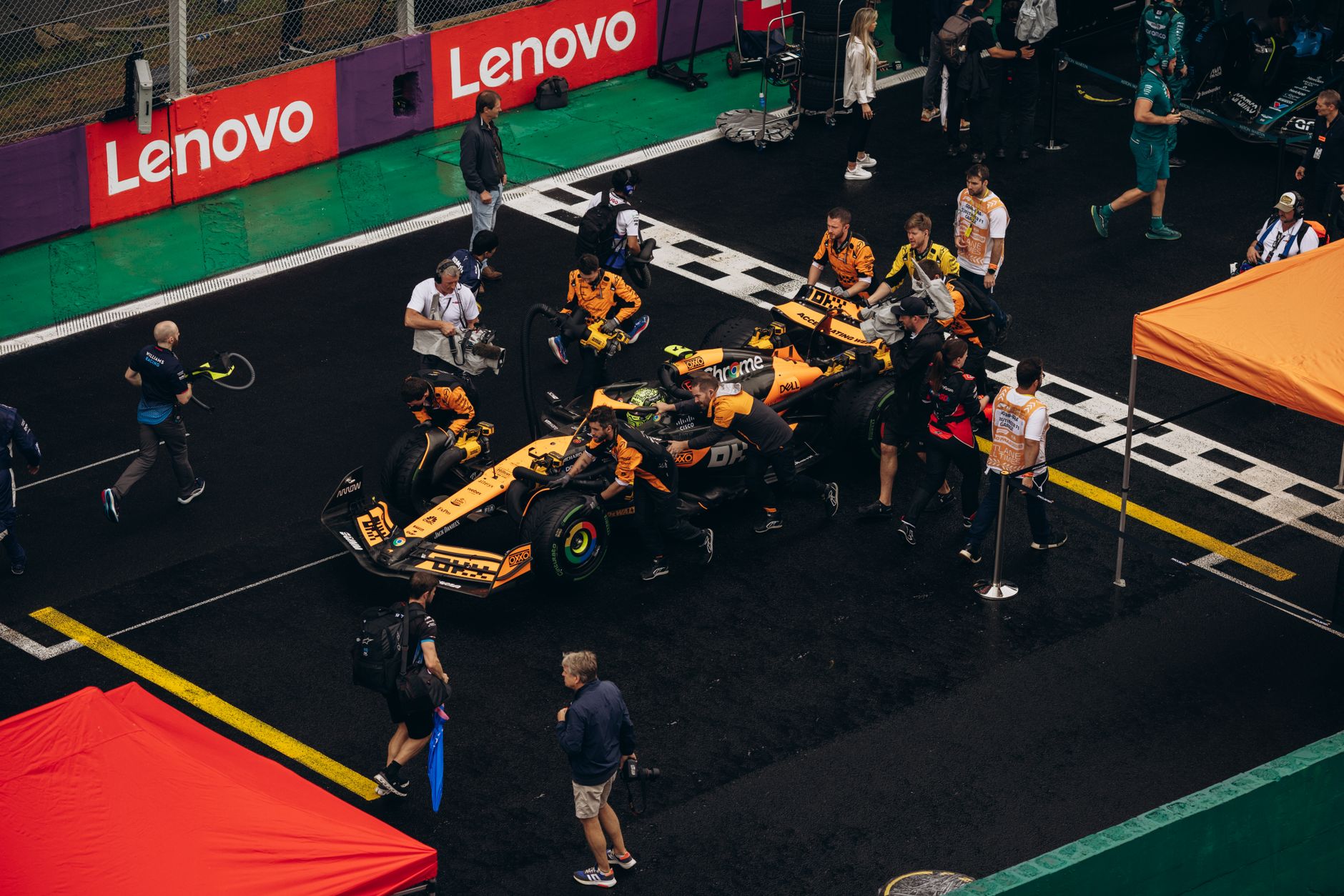
The Strategy Room Problem
This is where the scepticism is hardest to shake. Mercedes’ race strategy in 2025 and into this season has remained oddly conservative at precisely the moments when aggression would have paid off. Against McLaren - who have become the best reactive strategists on the grid - caution is a losing game. You can’t undercut a team that reads the race better than you do.
Russell is a genuinely elite driver, probably the most complete all-rounder outside the top two in the championship right now. But elite drivers working from reactive strategy briefs tend to finish third rather than first.
The wins are real. The questions around whether the structure behind them has truly changed are, for now, still open.