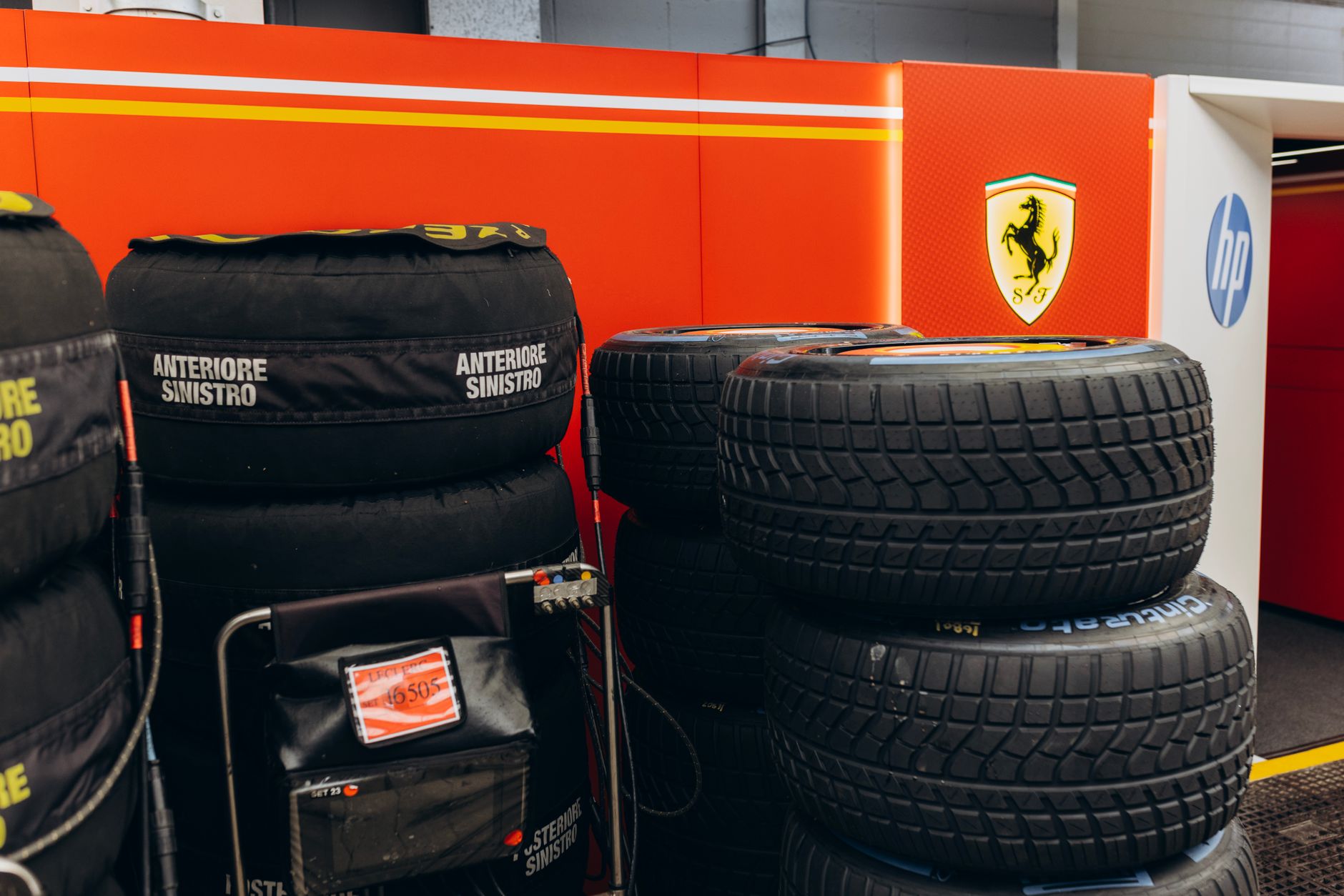
The mandatory tyre allocation rules in Formula 1 - specifically the requirement to use at least two different compounds during a dry race - were introduced to manufacture strategic diversity. The assumption was that teams would split on timing, create gaps, and produce racing that felt genuinely unpredictable. What’s actually happened is more cynical: the rule has calcified into a single dominant strategy at most circuits, and the teams that win are simply the ones who can execute that one strategy faster than anyone else.
At circuits like Barcelona and Paul Ricard, where tyre management has historically governed everything, the gap between a team that genuinely understands Pirelli’s degradation curve and one that’s guessing is enormous. It shows up in qualifying - where some drivers push harder knowing they’ve already mapped out a tyre window nobody else has - and it shows up even more obviously in the closing ten laps of a race, when a car that looked pedestrian suddenly has two seconds per lap in hand because it’s running at the bottom of its thermal cliff and everyone else is already over it.
What this means in practice is that the strategic “choice” most teams appear to be making isn’t really a choice. It’s convergence. When the fastest strategy is obvious to the teams with the most simulation data, the midfield ends up mirroring it anyway - just slightly worse, slightly later, with slightly less tyre life in hand at the critical moment. The allocation rule exists, but it’s not generating genuine strategic divergence. It’s generating the illusion of it.
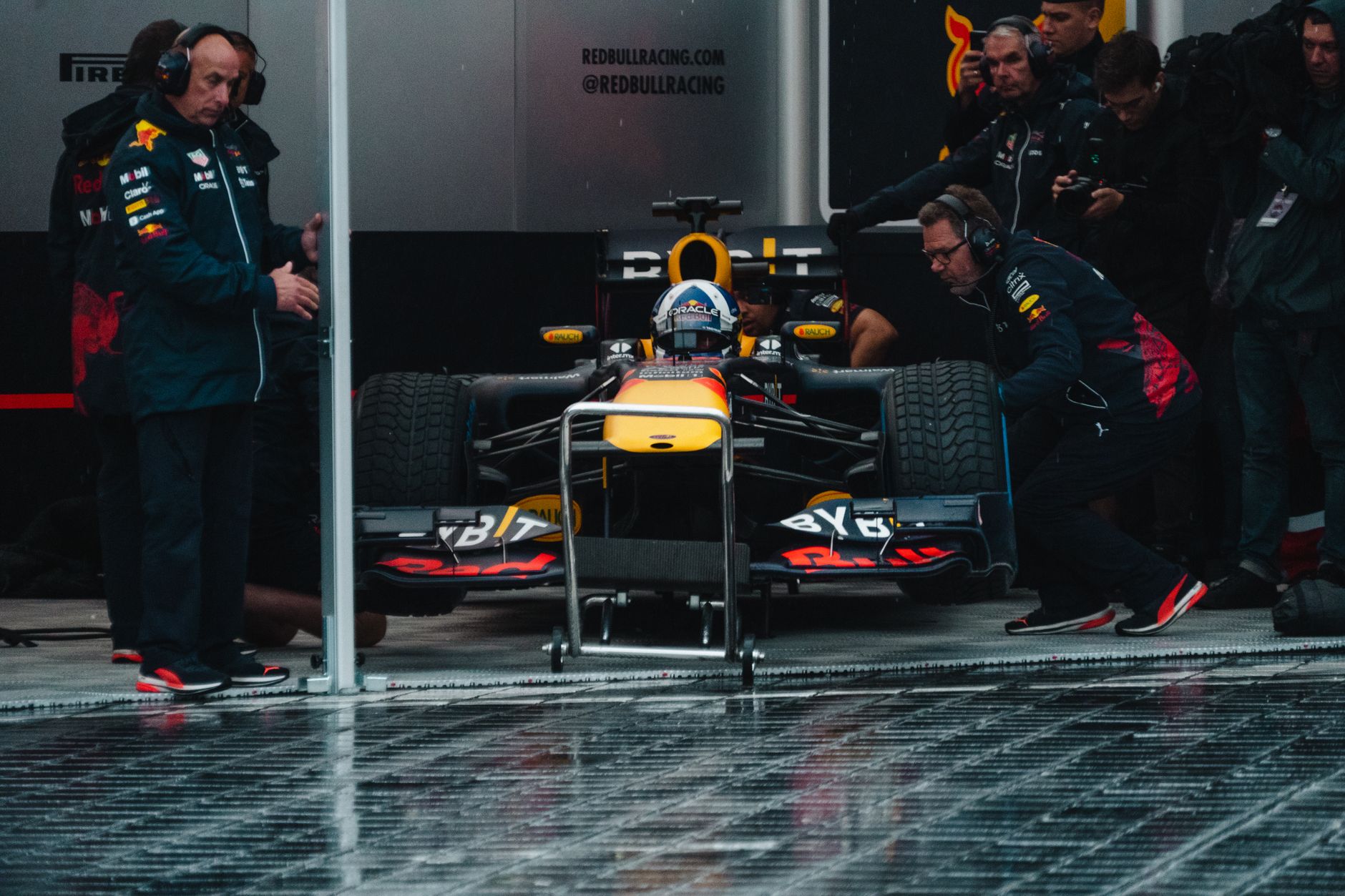
Red Bull’s dominance during the Verstappen peak years was partly aerodynamic, but a significant portion of it was about doing this better than everyone else. Their ability to run longer on a given compound without hitting the cliff - whether that came from car balance, driver sensitivity, or simulation - let them dictate races from positions that should have been vulnerable. Other teams were technically free to do the same. They just couldn’t.
Pirelli’s compounds change year to year, and the 2026 regulations overhaul will presumably shift the picture again. But the underlying dynamic - that tyre knowledge concentrates wins just as reliably as raw pace - isn’t going anywhere. The mandatory compound rule is fine as a framework. The problem is that it was never going to level the field when the real competition happens in the simulator six months before the lights go out.