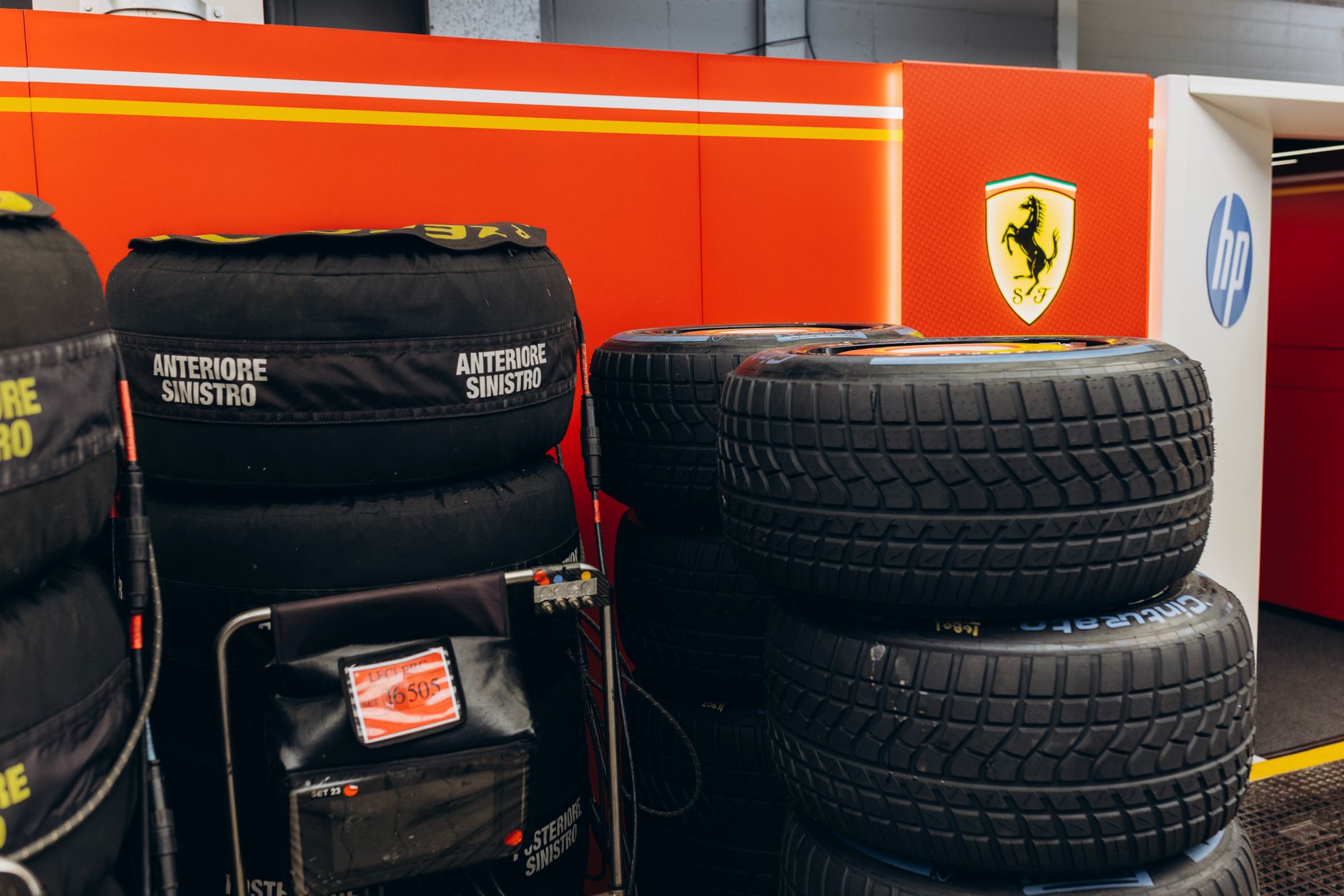
Ferrari have spent years being accused of not having a fast enough car. That argument is harder to make now. The SF-25 has genuine pace across a range of circuit types, Charles Leclerc is driving as well as he ever has, and Lewis Hamilton - whatever adjustment period he’s navigating - brings a pressure and profile that forces everyone inside Maranello to raise their standard. On paper, this is the most credible Ferrari title challenge in a generation.
The problem isn’t on paper.
What keeps derailing Ferrari isn’t mechanical failure or driver error - it’s the moment the race turns tactical. Pit window timing, tyre allocation decisions under safety car conditions, the call to cover or not cover a rival’s stop: these are the situations where Ferrari repeatedly find themselves a beat slow, or committed to a strategy that made sense at lap 18 and falls apart by lap 35. It’s not that the calls are always wrong. It’s that there’s a visible hesitation before them, a sense that the wall is processing options rather than executing a plan it already believed in.
Other teams have restructured their race engineering operations specifically because this problem costs championships. Mercedes, through their dominant years, operated with a clarity that felt almost corporate in its certainty - not always right, but always decisive. Red Bull under Adrian Newey’s broader influence built a culture where strategic conviction was treated as part of car performance. Ferrari, despite significant internal changes in recent years, still shows the seams when pressure arrives.
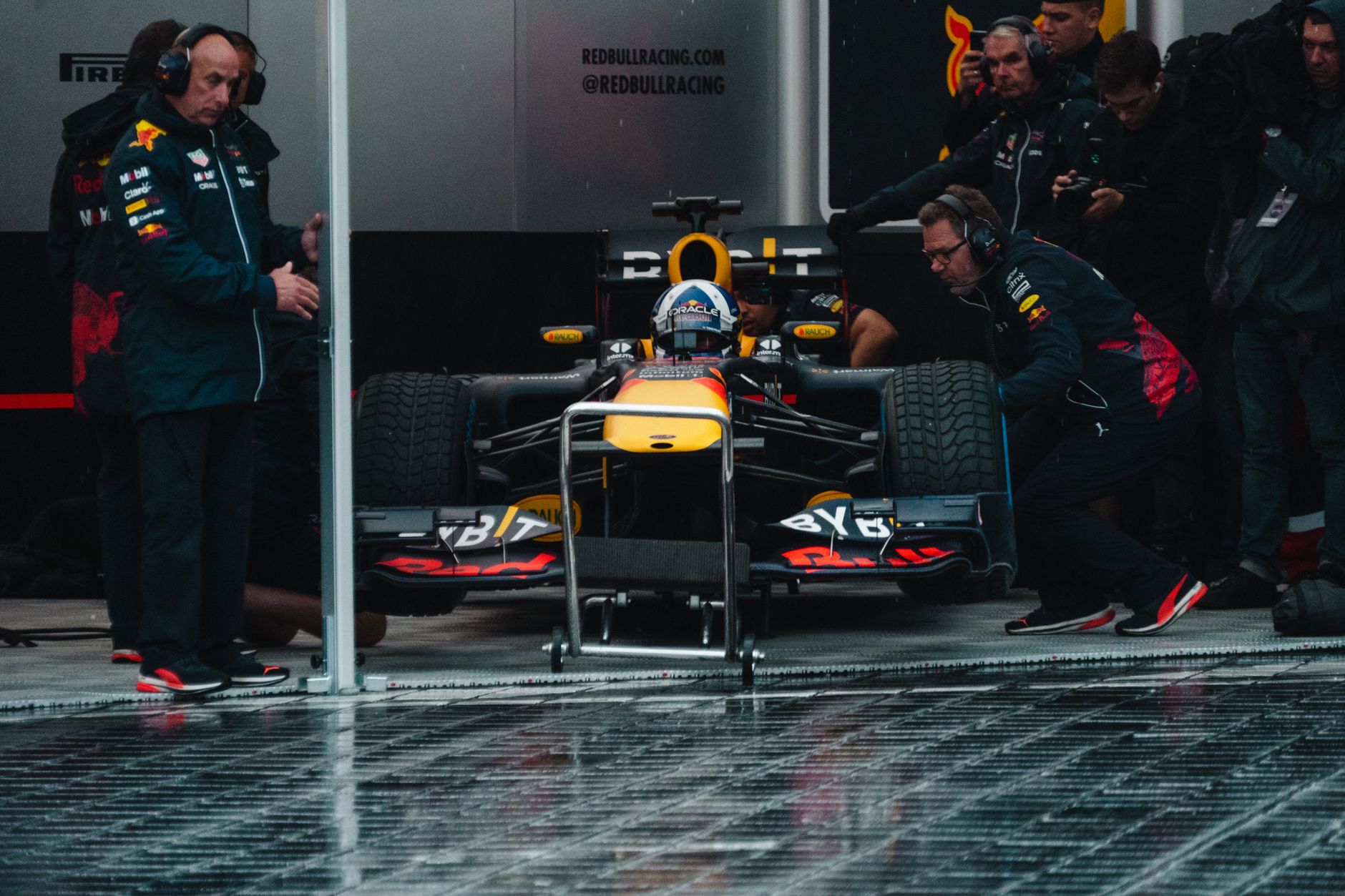
Hamilton Was Supposed to Help With This
Part of the rationale for signing Hamilton was institutional. Not just his driving - his experience of what a championship-winning operation actually feels like from inside. Whether that transfer of culture is happening is genuinely unclear from the outside, but there’s no obvious evidence yet that Ferrari’s wall is operating differently than it did with Leclerc and Sainz.
Leclerc has been measured in his public comments about strategy, which is itself a change from earlier in his career. But measured comments don’t win races in Monaco or Baku where the margins are decided in seconds on the pit wall.
Ferrari’s ceiling this season might be higher than it’s been since 2008. Whether they reach it depends on something no wind tunnel can fix.