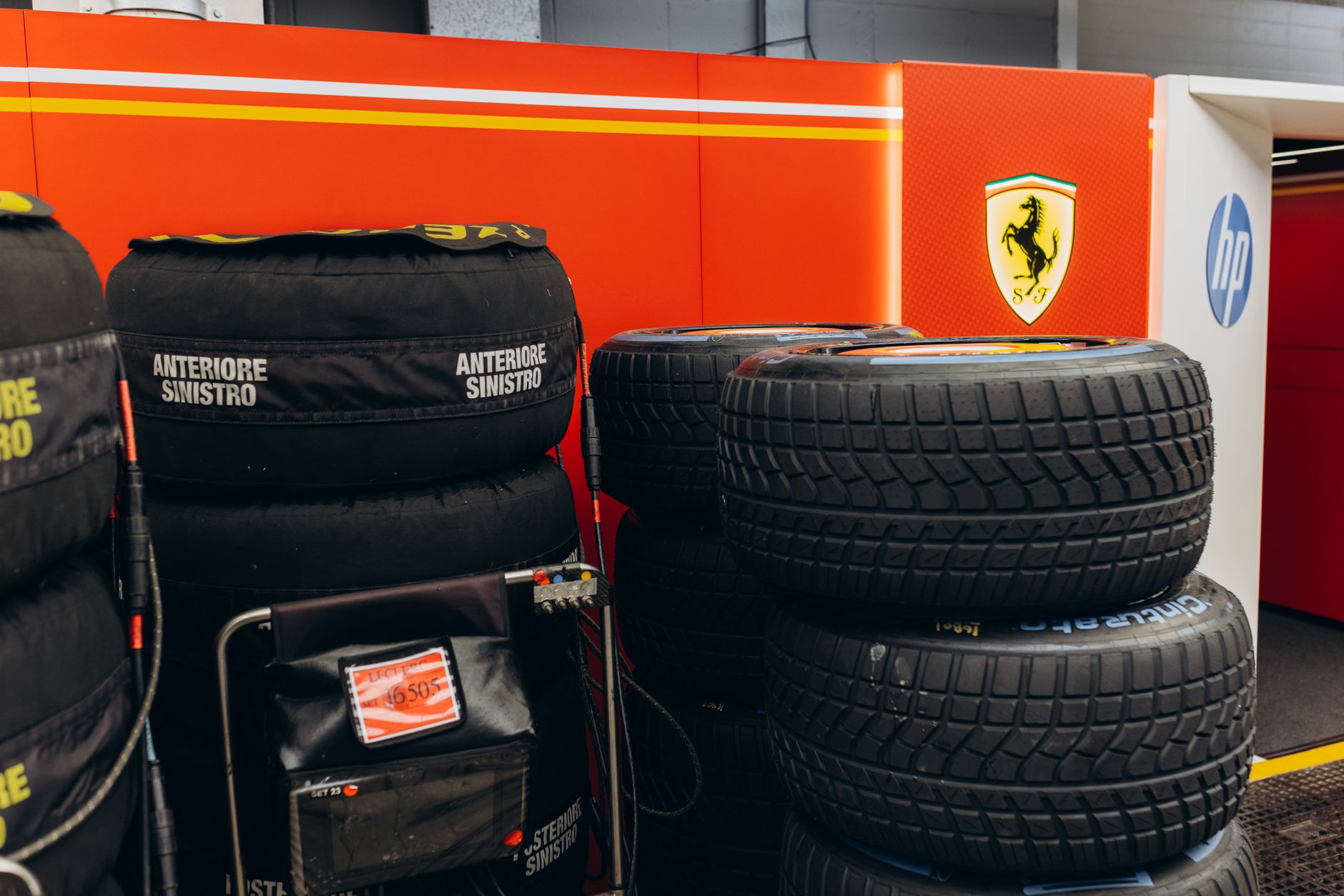
The conversation around McLaren’s 2026 competitiveness keeps defaulting to straight-line speed and downforce numbers. That’s the wrong frame. What’s actually separating them from Ferrari and Red Bull on Sundays is something far less photogenic: they are simply kinder to their rubber than anyone else on the grid.
Tyre degradation has always mattered in F1, but the 2026 regulation cycle - with its revised floor geometry and the shift toward more mechanically-driven grip - has amplified the penalty for overworking the rear axle. Teams that lean on aerodynamic load to generate cornering speed are scrubbing their tyres faster than their simulations predicted over a race distance. McLaren’s car, by most observations, generates grip through a different balance of mechanical and aero contribution, and the consequence shows up not in qualifying - where the gaps remain small - but in the middle stint, when other cars start sliding and McLaren’s drivers are still driving normally.
Lando Norris in particular has developed a habit of maintaining pace while his rivals visibly struggle. Whether that’s driver sensitivity, car setup philosophy, or a combination of both is difficult to isolate from outside the garage. But the pattern across multiple circuits this season is consistent enough that it stops being coincidence.
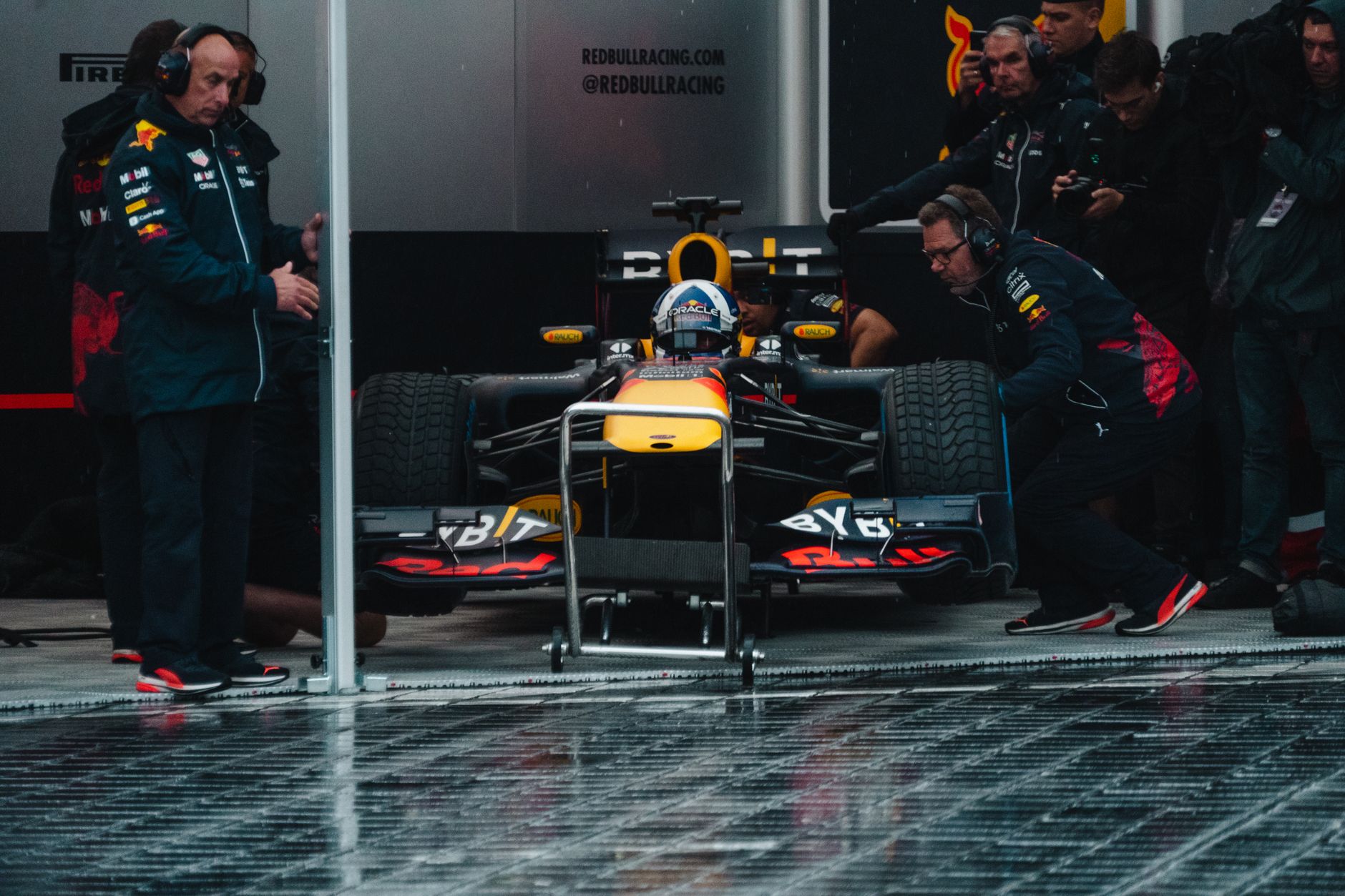
Why This Is Hard to Counter Mid-Season
Tyre management advantage is one of the hardest performance gaps to close quickly because it’s structural. You can bring an upgrade to address a specific aerodynamic weakness in a few races. Changing how your car distributes load across its tyre contact patches requires rethinking suspension geometry, ballast positioning, and ride height philosophy - work that bleeds into the following season’s design rather than a fix you bolt on at Spa.
Ferrari have arguably the faster car in qualifying trim. Red Bull are closer to McLaren in race pace than their mid-season 2025 form suggested they would be at this point. But neither team has found an answer for what happens when the Safety Car comes in, the race goes green, and McLaren simply… don’t degrade.
The headline story of 2026 will probably be written around driver rivalries and constructor points swings. The actual explanation will be found in tyre temperature traces that nobody outside the teams ever sees.