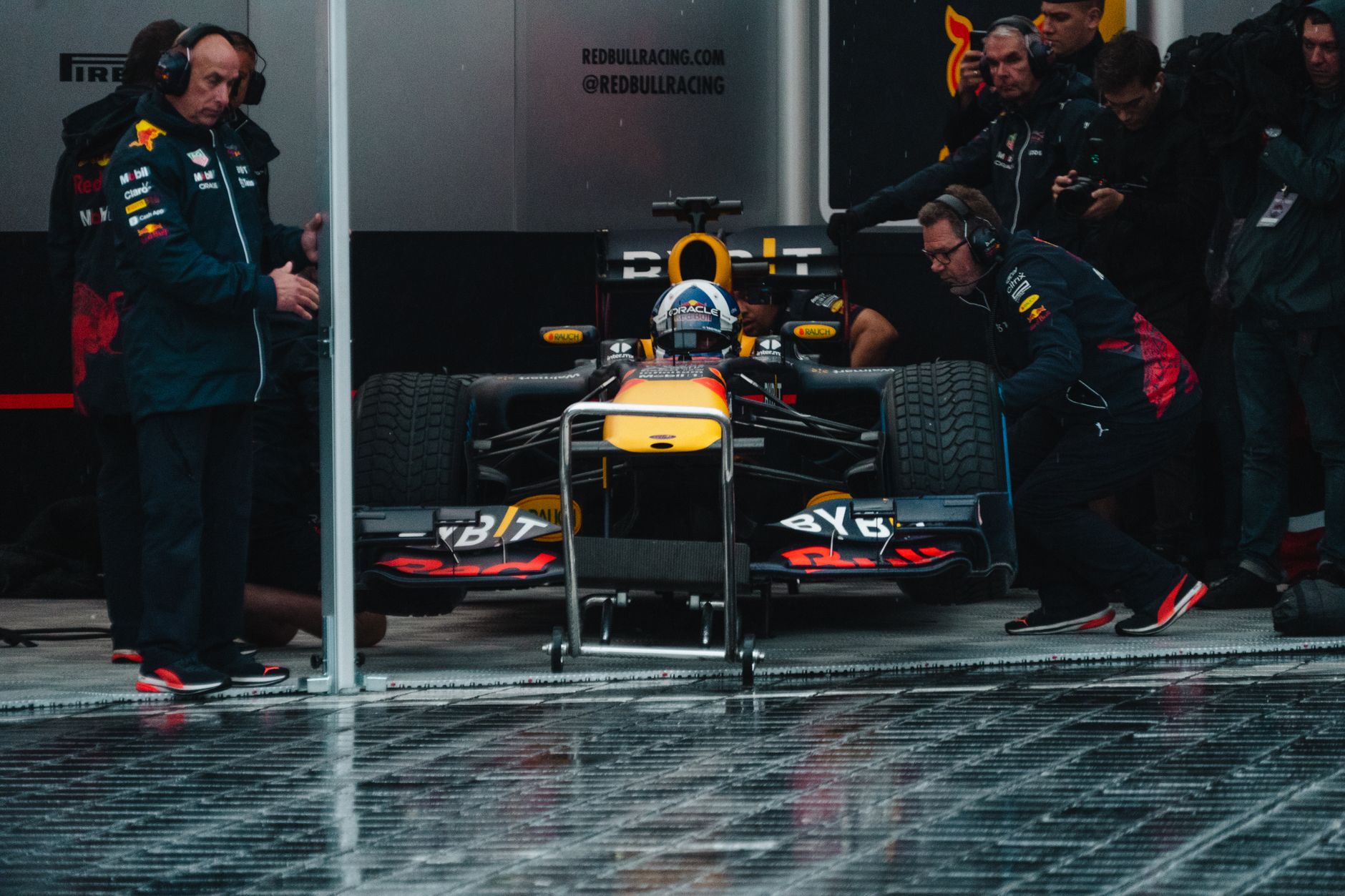
The conversation around Red Bull’s second seat keeps getting framed as a casting problem - find the right driver, solve the issue. It isn’t. What’s happened over the past two seasons is better understood as an engineering revelation: the RB series of cars, optimised almost entirely around Verstappen’s driving style and feedback loop, has become genuinely difficult to extract pace from if you aren’t him.
Sergei Perez was a competent, occasionally brilliant Formula 1 driver when Red Bull signed him. His 2021 Abu Dhabi intervention arguably handed Verstappen the championship. But from 2023 onward, the gap between his qualifying pace and Verstappen’s widened into something that stopped being explainable by form alone. The car’s rear-loaded balance and its sensitivity to low-speed entry - traits that suit Verstappen’s precise, late-braking style - kept working against Perez in ways that mid-season setup changes never fully fixed.
Red Bull’s own engineers have acknowledged, in general terms, that the car’s window is narrow. That’s not unusual at the front of the grid. Ferrari’s 2022 car was also notoriously difficult to manage on tyre degradation. But most difficult cars are difficult universally. The RB cars have appeared difficult specifically for the drivers who aren’t Verstappen, which suggests the problem runs deeper than balance or mechanical grip.
This matters because Red Bull have now burned through multiple options in that second seat without resolution. Whoever they run alongside Verstappen is entering a situation where the development process, the simulator work, and the setup philosophy have been calibrated predominantly around one driver’s preferences and data. Closing a 20-point gap in qualifying trim against a teammate who has built the car around himself is close to impossible.
The Comparison That Keeps Being Avoided
Michael Schumacher’s Ferraris were also built around him. Barrichello was often visibly quicker in the first half of the season before updates arrived that moved the car back toward Schumacher’s preferences. It’s a known dynamic in constructors’ teams, and it’s not inherently a problem - until you need your second car to score consistent points in a season where the championship is close.
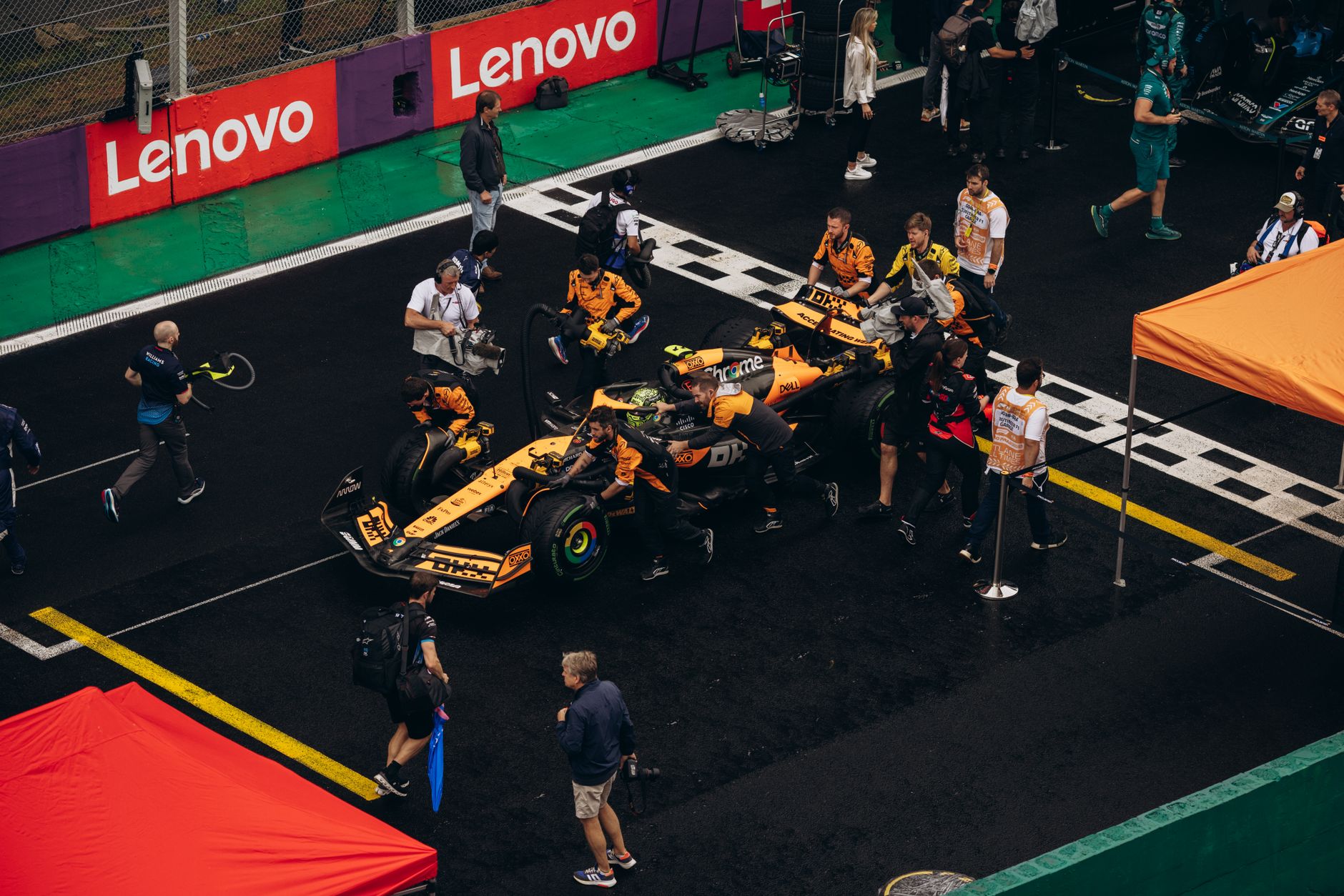
Red Bull are not quite in that position yet, but 2025 showed the margins tightening. McLaren’s consistency across both drivers has quietly become a structural advantage that Red Bull, for all Verstappen’s individual brilliance, cannot currently match.
No signing fixes that. The problem is in the methodology, not the roster.