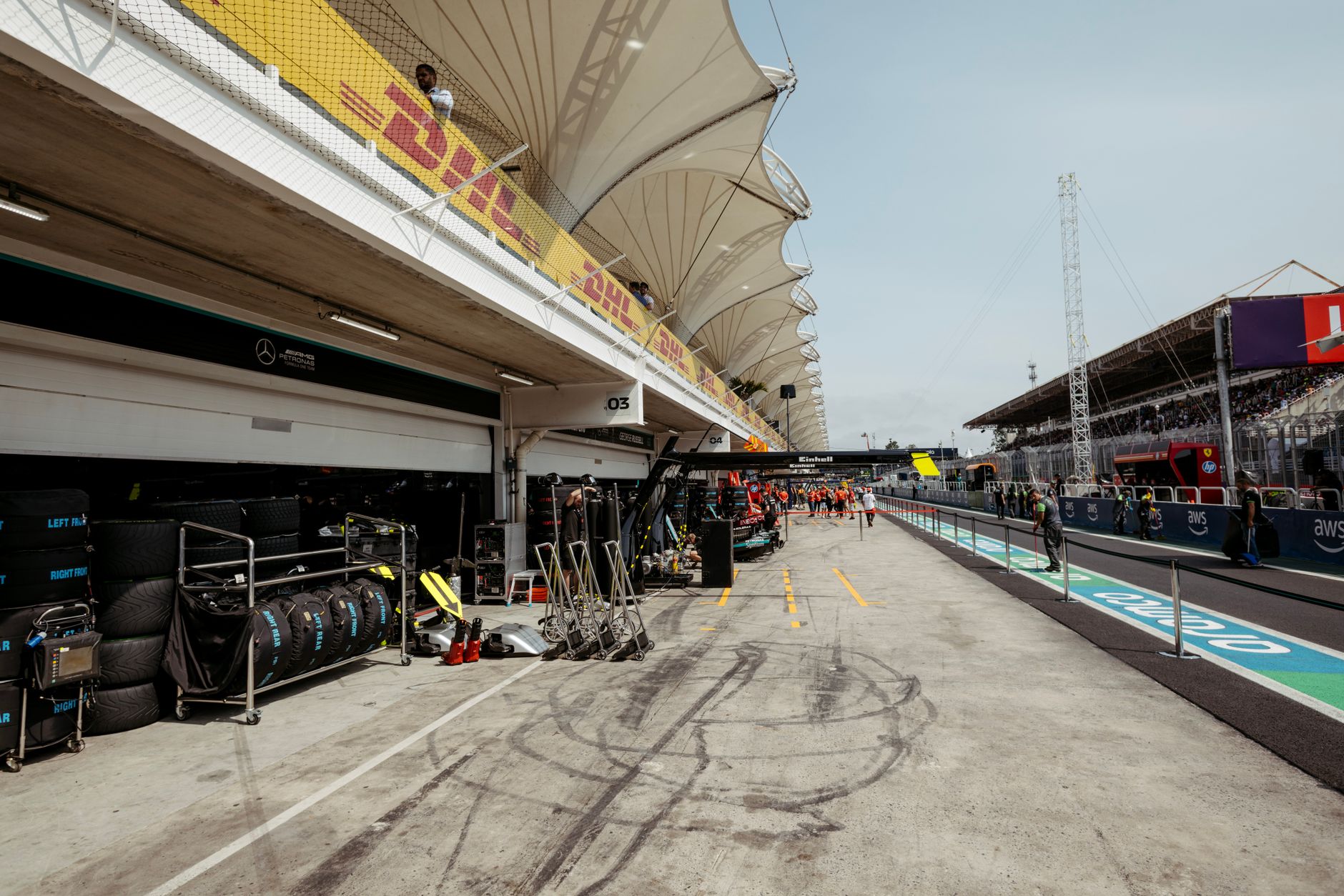
Mercedes spent the better part of 2022 and 2023 understanding why their W13 and W14 bounced themselves out of contention. They solved it - eventually. The W15 was a genuinely fast car by the end of 2024, and George Russell’s title challenge last season wasn’t a fluke. But the 2026 technical regulations, which overhaul both the aerodynamic philosophy and the power unit architecture simultaneously, have reset the competitive order in a way that makes Mercedes’ recent progress feel strangely beside the point.
The new regulations reduce downforce significantly and reintroduce active aerodynamics - a moveable front and rear wing system that adjusts drag depending on straight-line speed. The intention is closer racing. The effect, at least through the opening half of this season, has been a reshuffling that looks less like parity and more like organised chaos, with teams responding very differently to how much they trusted their 2025 knowledge to carry over.
Mercedes apparently trusted it too much.
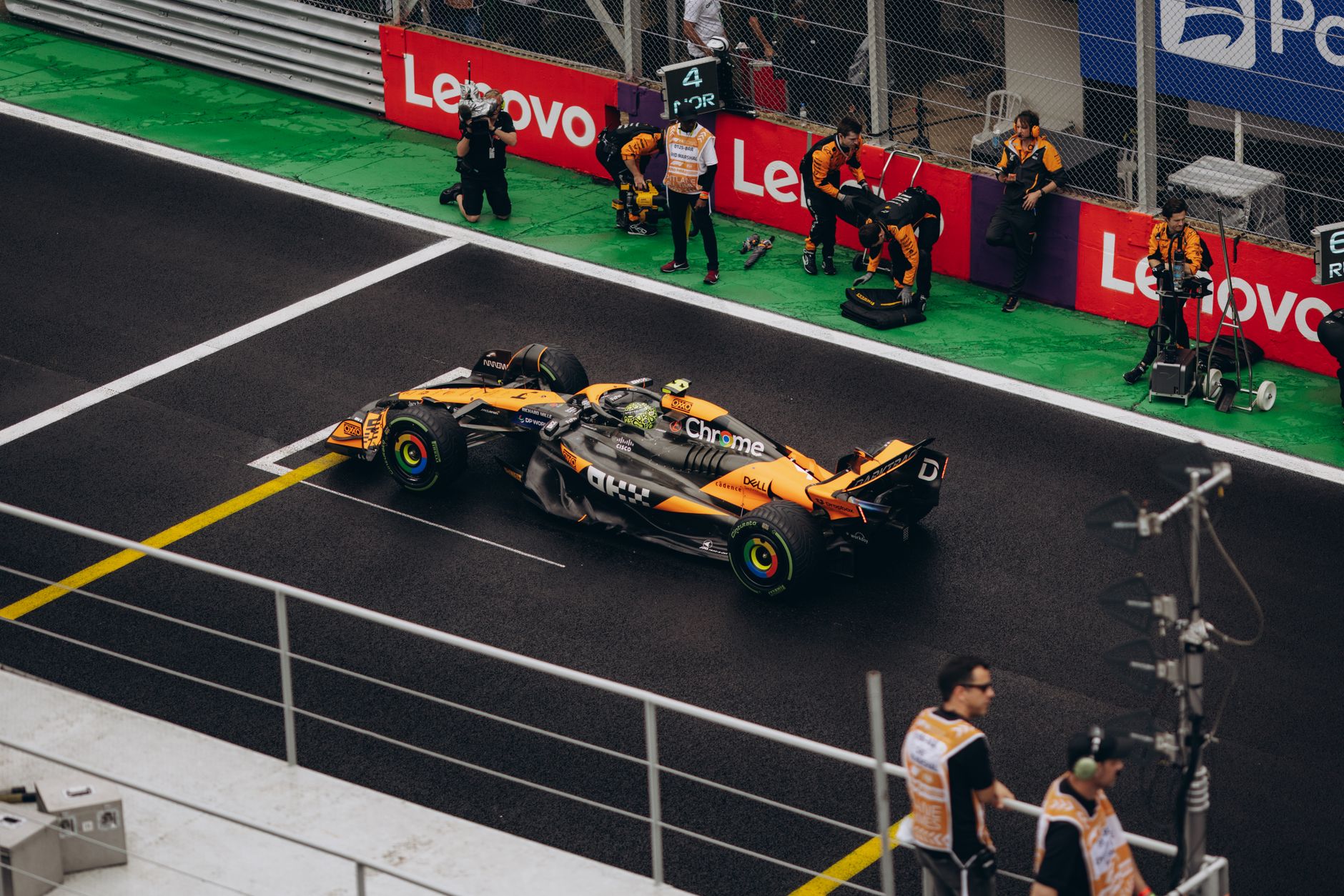
Their 2026 car, the W16, has shown strong straight-line performance - the new Mercedes power unit is widely regarded as competitive with Ferrari’s - but the mechanical balance under braking is inconsistent in ways that suggest the team carried over suspension assumptions that no longer suit the lower-downforce environment. Russell has spoken publicly about the car feeling “disconnected” at slow-speed corners. That is not a power unit problem.
Red Bull’s situation is almost the inverse. Their Honda-derived power unit, now under the Ford partnership, was the question mark going into the season. The chassis has been remarkably well-sorted from the first race, which suggests Adrian Newey’s departure didn’t hollow out the design team quite as badly as some assumed - or that whoever replaced him understood the 2026 regulations better than most.
Ferrari sit somewhere between the two, with Charles Leclerc leading the championship at the summer break largely because their car is consistently second-best rather than occasionally brilliant.
The deeper issue for Mercedes is timing. They are not slow. They are probably fourth or fifth fastest on pure pace, which in a different regulatory era would be a recoverable position. But 2026 is a reset year, and reset years punish teams that optimise for the wrong target. Mercedes spent their political capital and engineering bandwidth becoming very good at something the rulebook just made obsolete.