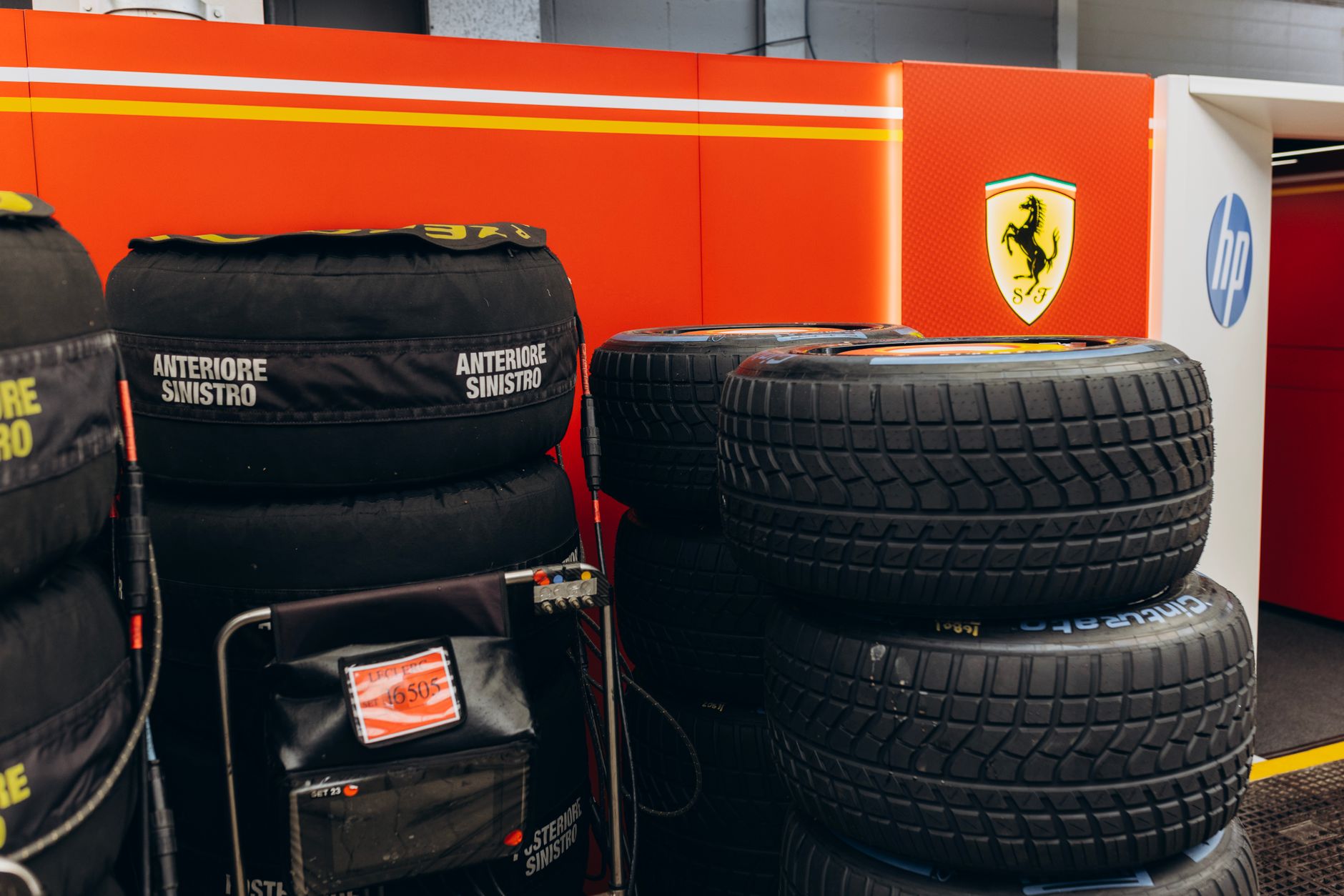
The conversation around McLaren’s rise has been almost entirely about raw speed - the MCL-era upgrades, the wind tunnel hours, the aerodynamic gains. That framing is not wrong, but it is incomplete. What has quietly separated McLaren in races - not just qualifying - is an ability to manage tyre degradation that no other team on the grid is currently replicating at the same level.
Watch the final stint of almost any race where Lando Norris or Oscar Piastri is in a points position. The lap times do not drop the way they should. Where a Mercedes or Ferrari driver begins to visibly struggle around lap 40 on a medium compound, the McLarens seem to find a kind of equilibrium. They are not necessarily faster in those moments - they are less slow, and in a sport decided by tenths, that distinction matters enormously.
This is partly the car. The MCL60 onwards has been consistently praised for its mechanical balance and how gently it loads the rear tyres through slow corners. Less sliding means less heat generation means longer tyre life. But the car does not drive itself, and both Norris and Piastri have developed habits - throttle application on exit, brake bias adjustments mid-stint - that amplify what the engineering gives them.
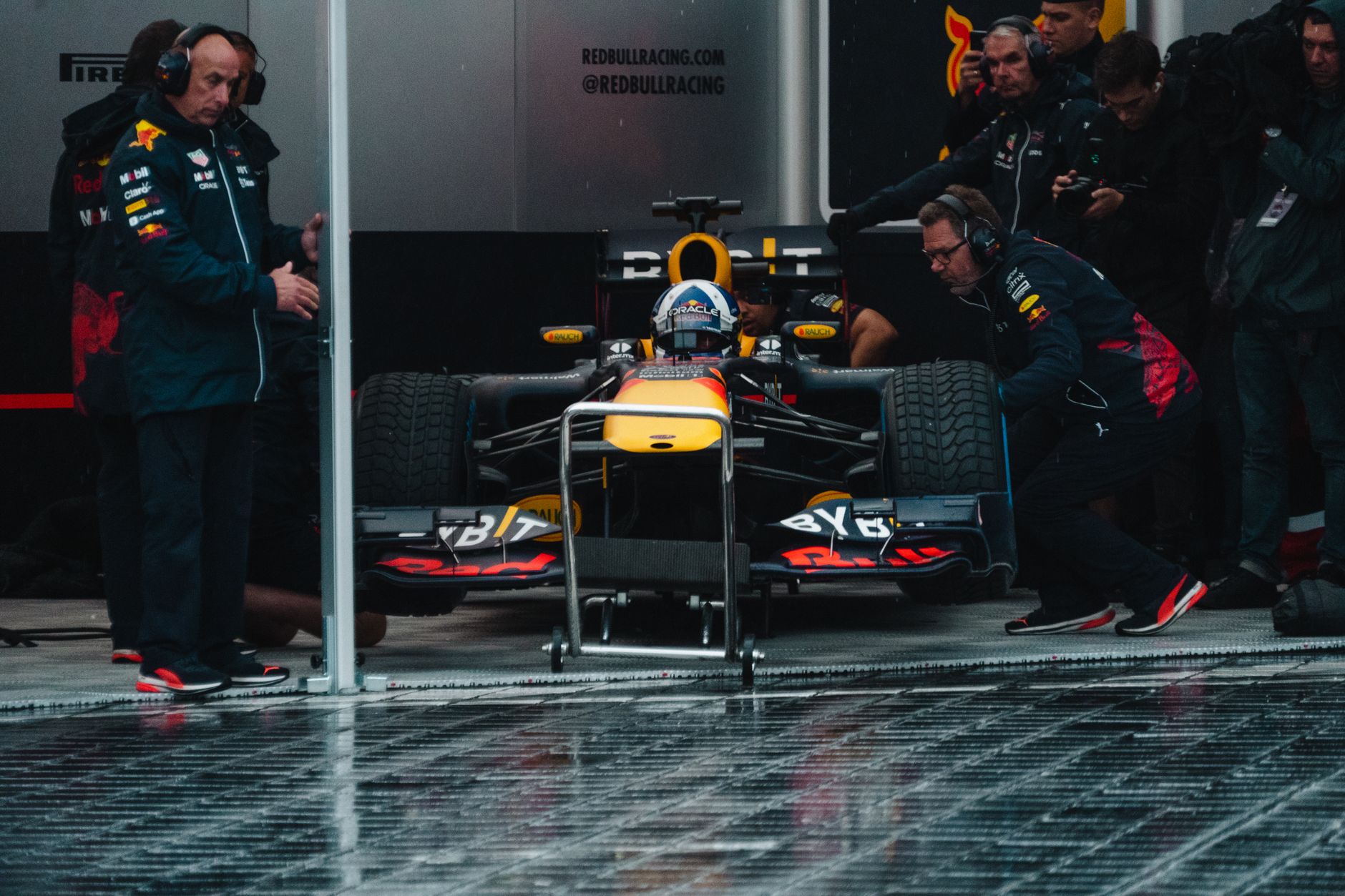
Piastri is the more interesting case
Norris has been managing tyres in F1 since 2019 and has had years to refine his feel for it. Piastri is only in his third full season and is already doing this at a level that suggests the skill came unusually fast. His 2025 Monaco race was the clearest example - he held a medium compound together across a stint length that most engineers would have called aggressive.
No other team is consistently threading this needle. Red Bull’s car demands more from the front axle, which creates tyre stress that becomes visible late in races. Ferrari’s drivers are inconsistent in this area - Carlos Sainz was exceptional at it, and his absence from the team has not been replaced. George Russell at Mercedes is methodical, but the W-car’s fundamental characteristics work against him.
The talking point in F1 commentary is always about strategy calls - when to pit, which compound to start on. That analysis is legitimate but overweighted. Strategy only works if the driver can execute the stint as planned. McLaren’s advantage is that their drivers almost always can.