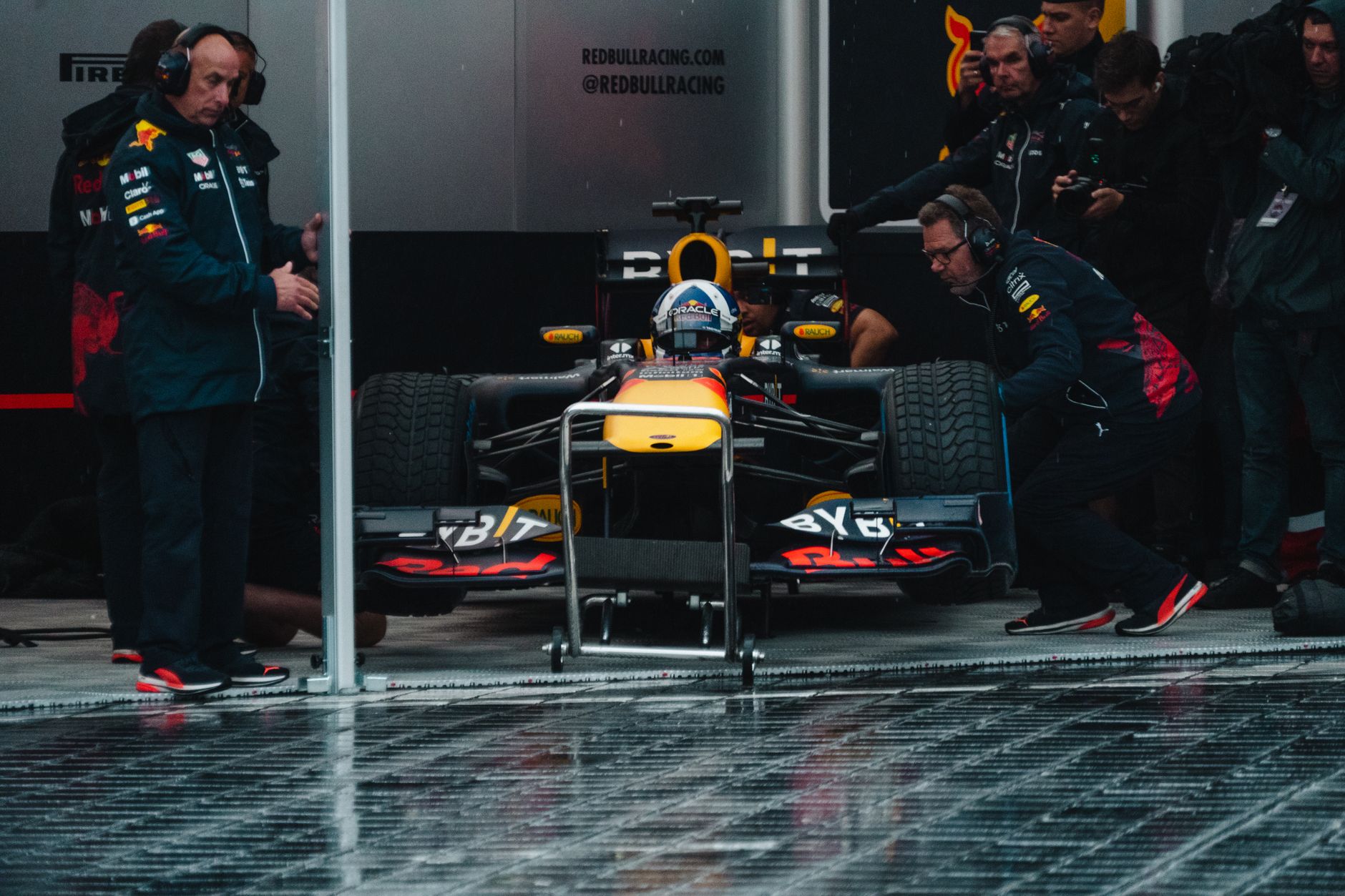
The undercut used to be a weapon. Now it’s a reflex.
Somewhere between the Pirelli tire era bedding in and the current generation of cars making overtaking on track genuinely difficult, F1 strategy departments collectively decided that pitting early and undercutting the car ahead was the answer to almost every problem. Traffic? Undercut. Stuck behind a slower car? Undercut. Bored on the pit wall? Undercut.
The logic was never wrong, exactly. A fresh set of tires generates lap time, the car ahead is forced to respond, and if their stop is slower or their out-lap compromised, you come out ahead. It works. Or it worked - back when rival teams weren’t modeling each other’s strategy in real time with the same tools, the same data, and the same instinct to pull the trigger at lap 18.
When Everyone Undercuts, Nobody Does
The problem isn’t the undercut itself. The problem is simultaneity. When two or three cars in the same window all pit within a lap of each other chasing the undercut, the position gain evaporates. You stop, they stop, and everyone emerges in roughly the same order but now committed to a tire that has to last longer than planned. The undercut becomes a shuffle rather than a move.
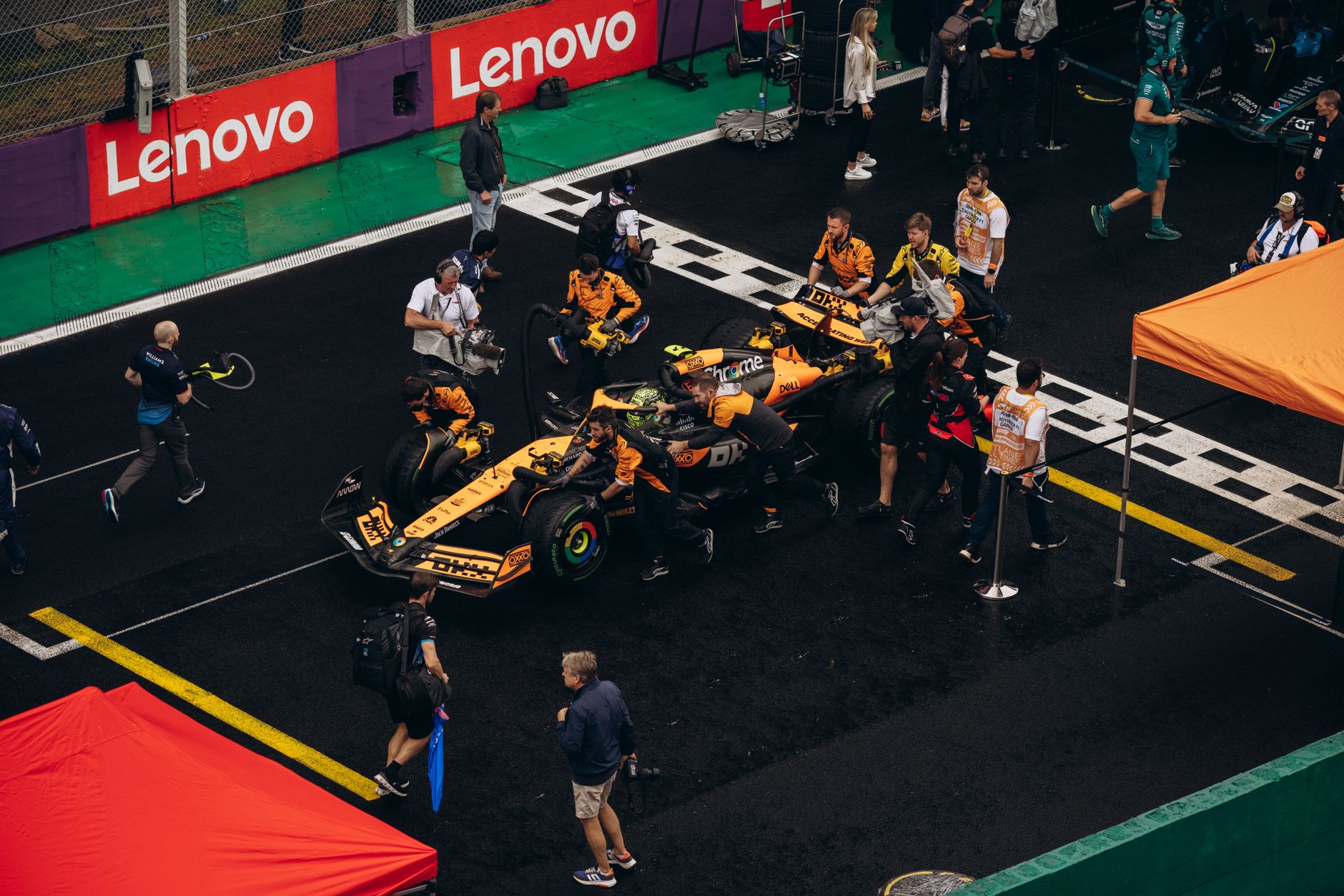
This played out repeatedly through the 2025 season, particularly at circuits like Barcelona and Bahrain where tire degradation invites early stops. Teams would anticipate the undercut so precisely that the aggressor gained nothing - except, occasionally, worse tire life at the end of the race.
The Overcut Has No Lobby
What’s striking is how rarely teams commit to the overcut as a primary strategy rather than a fallback. Staying out, building a gap while rivals pit, and coming in on older tires with track position intact - it requires nerves and a car that doesn’t degrade catastrophically, but it’s increasingly the move that catches teams off guard precisely because nobody expects it anymore.
Ferrari used it effectively in Monza in 2023. It worked partly because Leclerc’s pace on the medium held, and partly because the pit wall simply held position when instinct screamed to pit.
The gap that’s opening up in F1 strategy isn’t between teams with better tire data. It’s between teams willing to let a race breathe and teams that have turned the pit stop into a security blanket. Whether the current crop of strategists are capable of unlearning what’s become muscle memory - that’s the more uncomfortable question.