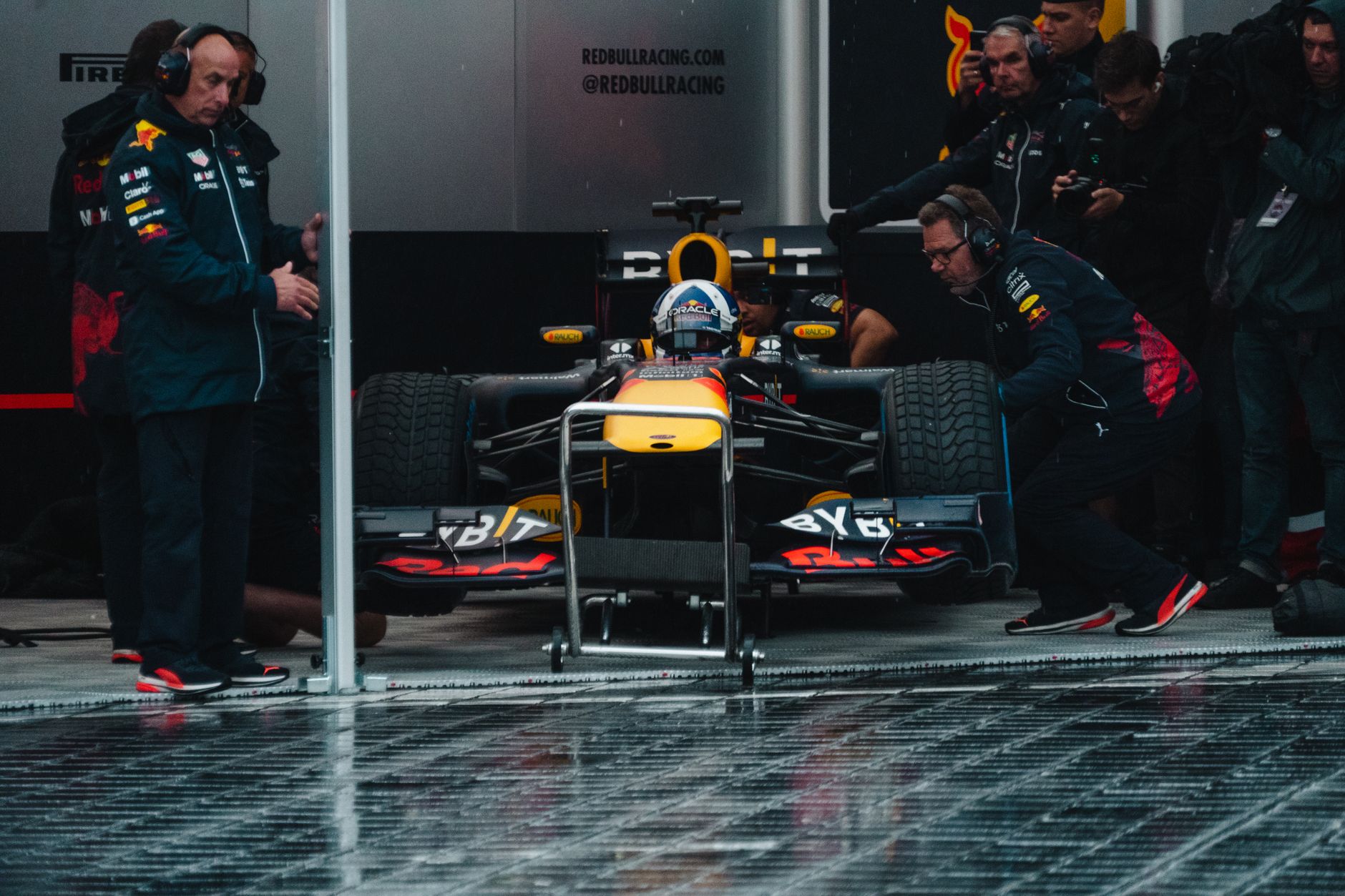
The Undercut Has Become a Security Blanket
Somewhere between 2012 and now, the undercut stopped being a strategic weapon and became a nervous habit. Teams reach for it the way a quarterback throws a check-down - not because it’s right, but because it’s available and nobody will blame you for it afterward.
The logic is sound in the abstract: pit before your rival, get clean air, build a gap on fresher rubber, come out ahead. It worked spectacularly in the V8 era when tyre degradation was steep and track position felt almost incidental. But the conditions that made the undercut so reliably decisive have shifted, and teams haven’t fully reckoned with that.
What’s Changed
Modern Pirelli compounds, particularly the harder compounds that dominate the second half of races, degrade far more slowly than what we saw in the high-deg years. The crossover point - where a car on fresh tyres actually catches and passes one on older rubber - arrives later, sometimes not at all within a realistic race window. This is not a secret. Teams have the modelling. And yet the undercut remains the default call the moment a safety car fails to materialise or a rival pits.
The 2025 Spanish Grand Prix was a reasonable illustration of this. Several midfield teams pitted for the undercut in the closing stages and simply didn’t generate the lap-time delta they needed. The cars on older rubber held on better than expected, traffic compounded the problem, and positions were lost rather than gained. No single team did anything catastrophically wrong - they all followed the same flawed instinct at roughly the same moment.
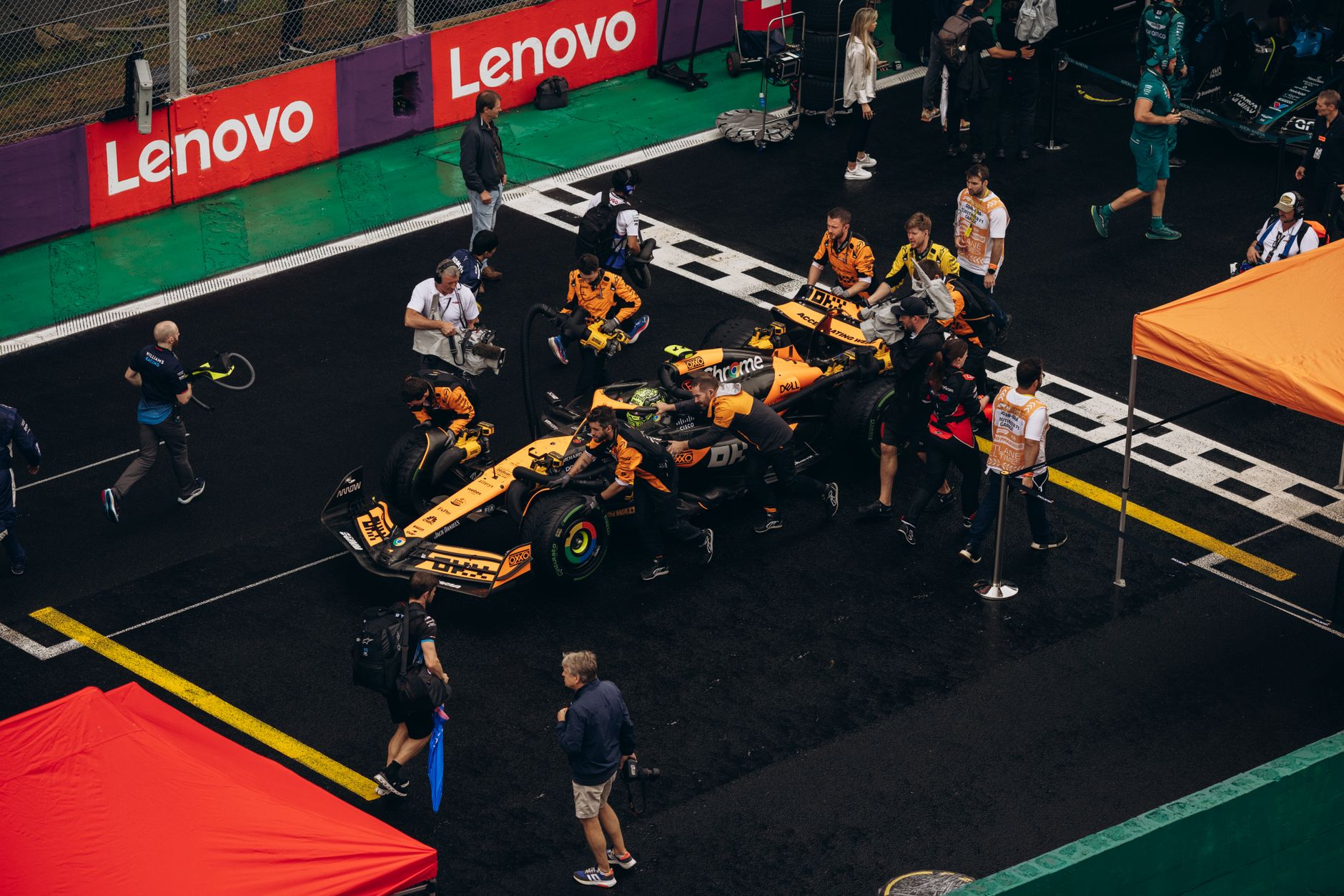
The Overcut Is the Harder Sell
The overcut demands patience and a certain tolerance for looking wrong on timing screens for ten or fifteen laps. It requires believing that your tyre life is actually better than your rival’s, and trusting a gap that doesn’t exist yet. Strategists who call the overcut and get it wrong have a much harder conversation with the pitwall afterward than those who called a conventional undercut that simply didn’t pay off.
That asymmetry of blame matters more than anyone in the paddock will openly say.
The Structural Problem
This is partly a personnel and culture issue inside strategy departments, and partly a problem with how teams interpret their own data under race pressure. Real-time tyre modelling has improved enormously, but the translation of that modelling into an actual call - especially when a rival is also pitting - seems to collapse back into convention.
Whether that changes before the next generation of compounds or regulations forces the issue is an open question. The tools to make better decisions are already there.