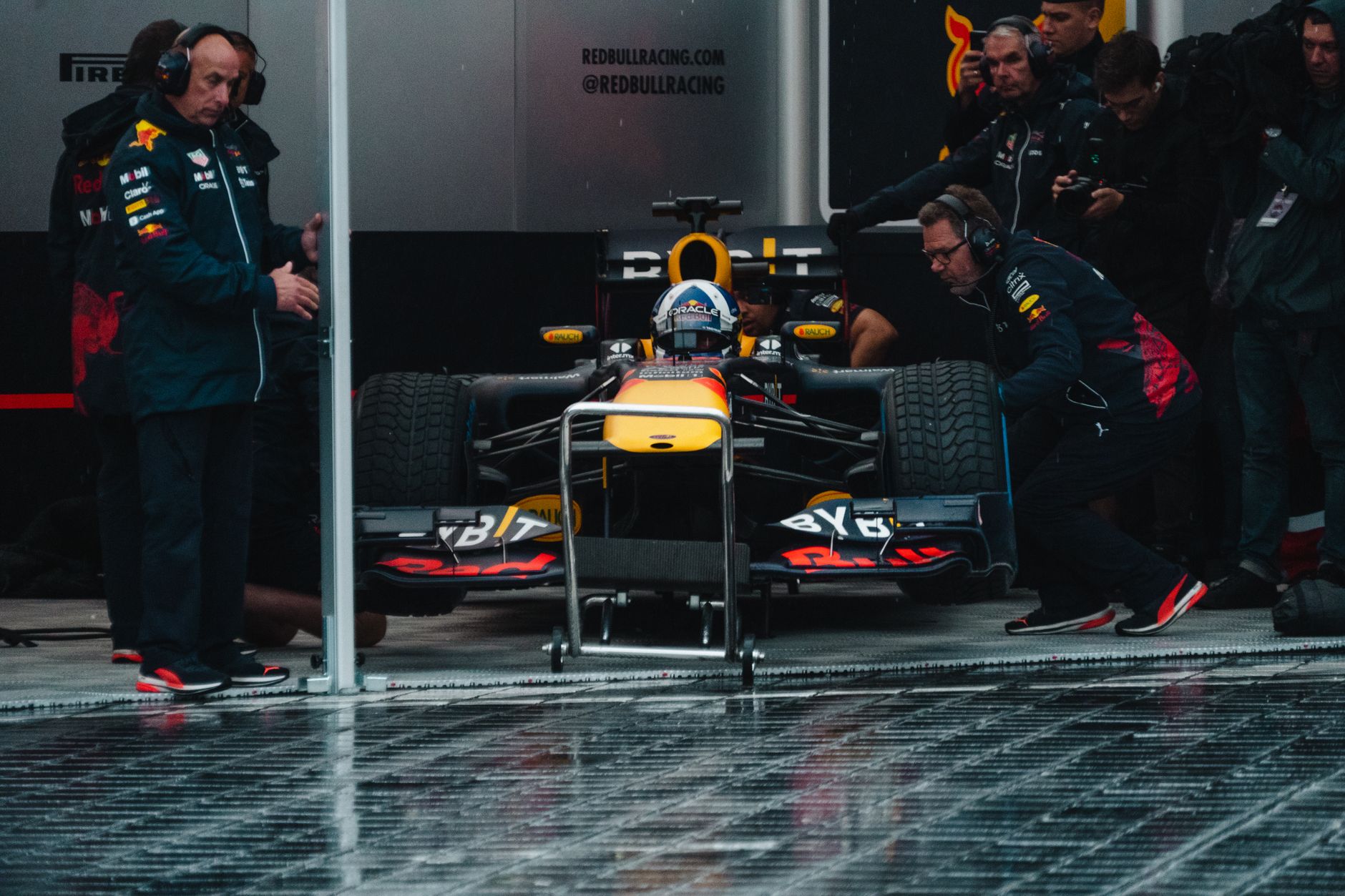
The undercut used to be a genuine weapon. Box a lap earlier than your rival, run fresh rubber faster, emerge ahead when they eventually pit. Clean, logical, devastating when it worked. The problem is that every team’s strategy department now models it identically, which means the counter - staying out, extending the stint, denying the gap - is called almost as quickly as the threat appears. The undercut has become a telegraph.
What Changed
The shift started accelerating once real-time tyre degradation modelling became sophisticated enough that teams could predict, within a lap or two, exactly when a rival’s pace would drop below the threshold needed to cover an undercut. Add to that the radio transparency between engineers, the public timing screens, and the way broadcast graphics now flag strategy windows to literally everyone watching - including the engineers in rival garrets - and you have a situation where surprise is structurally difficult to achieve.
By the time a team commits to a pit call trying to undercut, the rival has already war-gamed the response. If the track position is genuinely worth defending, they’ll extend. If their tyres allow it, they will make the undercut irrelevant before the pit lane exit is even clear.
The Teams Doing It Anyway
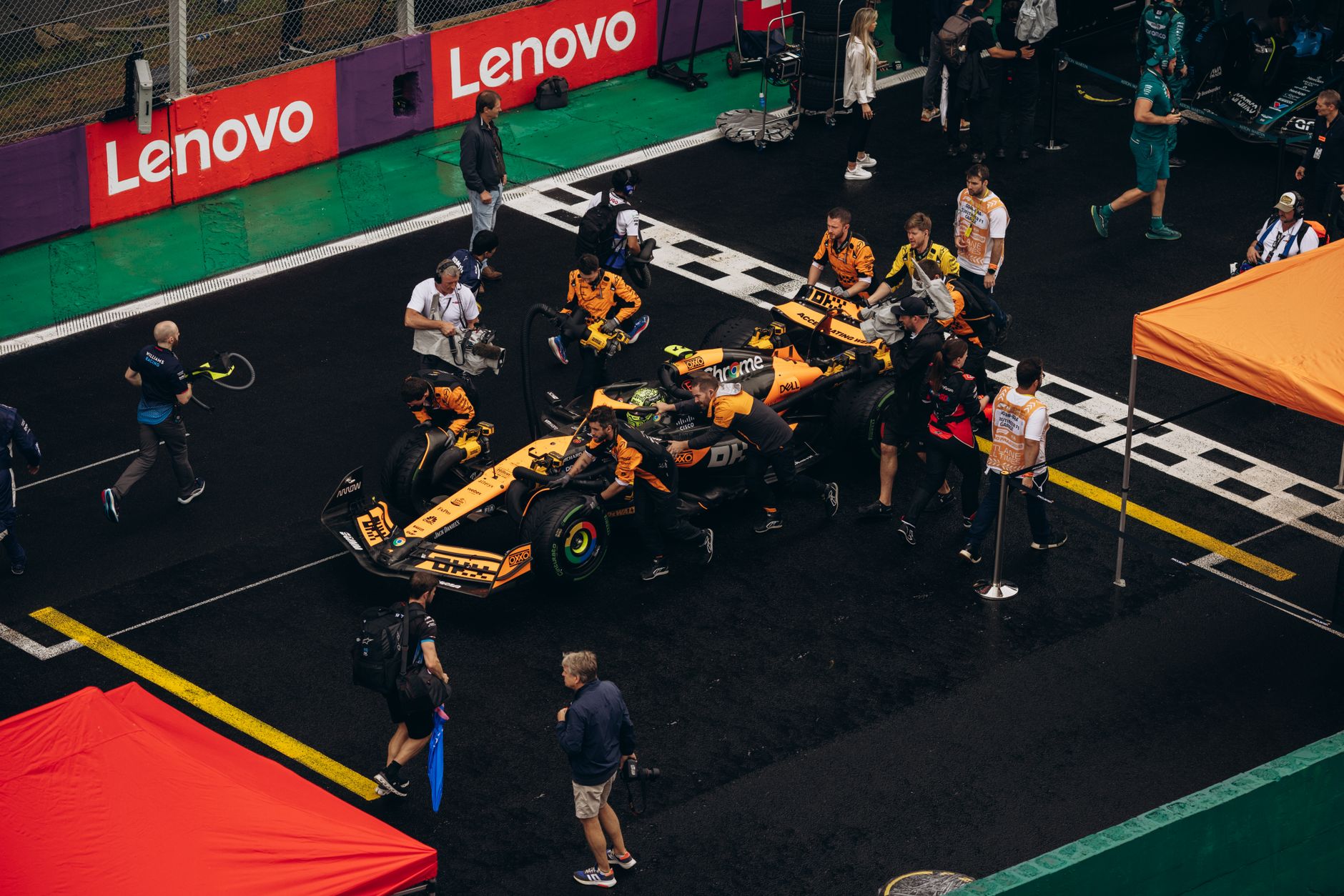
This is where it gets frustrating. Mid-grid teams, specifically, keep reaching for the undercut as though it’s an equaliser against better machinery. Occasionally it is - Bahrain 2023, where a reactive pit call reshuffled positions in a way that stuck, is a real example of it working at a specific circuit with specific tyre behaviour. But circuits with low degradation and easy tyre management punish the optimism almost every time. The car that comes out ahead on fresh rubber still needs three to five laps to build meaningful pace, and a driver on older but warm rubber with track position and clear air simply doesn’t lose enough time to make the gap.
The overcut - staying out longer to let traffic and degradation hurt the rival who pitted first - has had a higher conversion rate in the current era, though it’s harder to call proactively because it asks a driver to manage degrading rubber under pressure while the team calculates how long the stint can hold.
The Deeper Issue
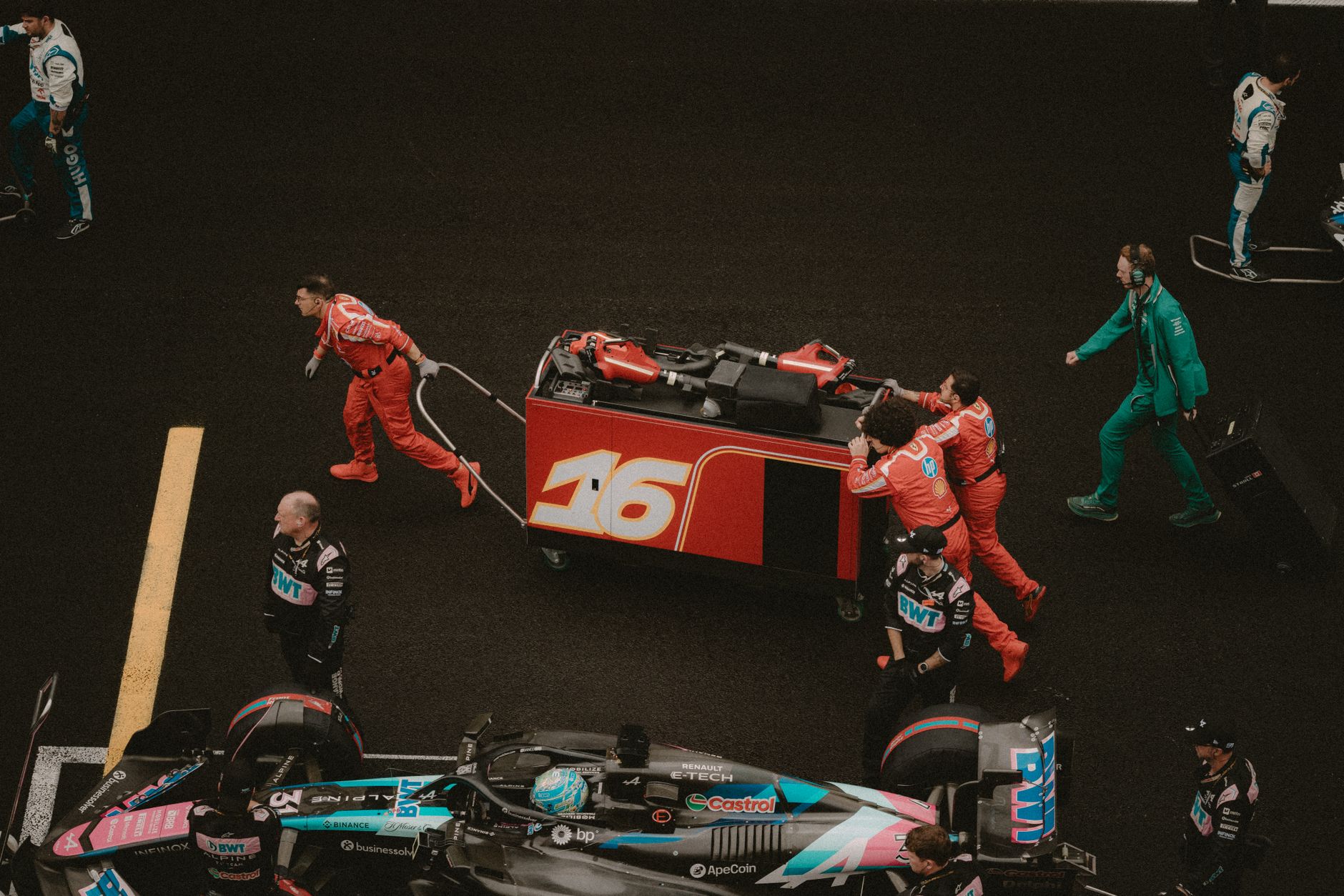
Strategy calls are partly about data and partly about nerve. The teams most dependent on the undercut are often the ones who lack the outright pace to win a fair fight, so the logic of gambling on it is understandable. But the execution keeps missing the moment. The decision comes a lap late, or the out-lap pace doesn’t materialise, or the rival simply doesn’t blink.
There’s a version of this where the undercut becomes genuinely dangerous again - a safety car that resets the window, a sudden rain shower, a degradation cliff that arrives two laps earlier than modelled. But that’s relying on chaos to validate a strategy rather than the strategy being sound. Whether teams eventually recalibrate around that reality, or keep filing the undercut under ‘standard options’ regardless of how often it gets absorbed, probably says more about organisational habit than racecraft.