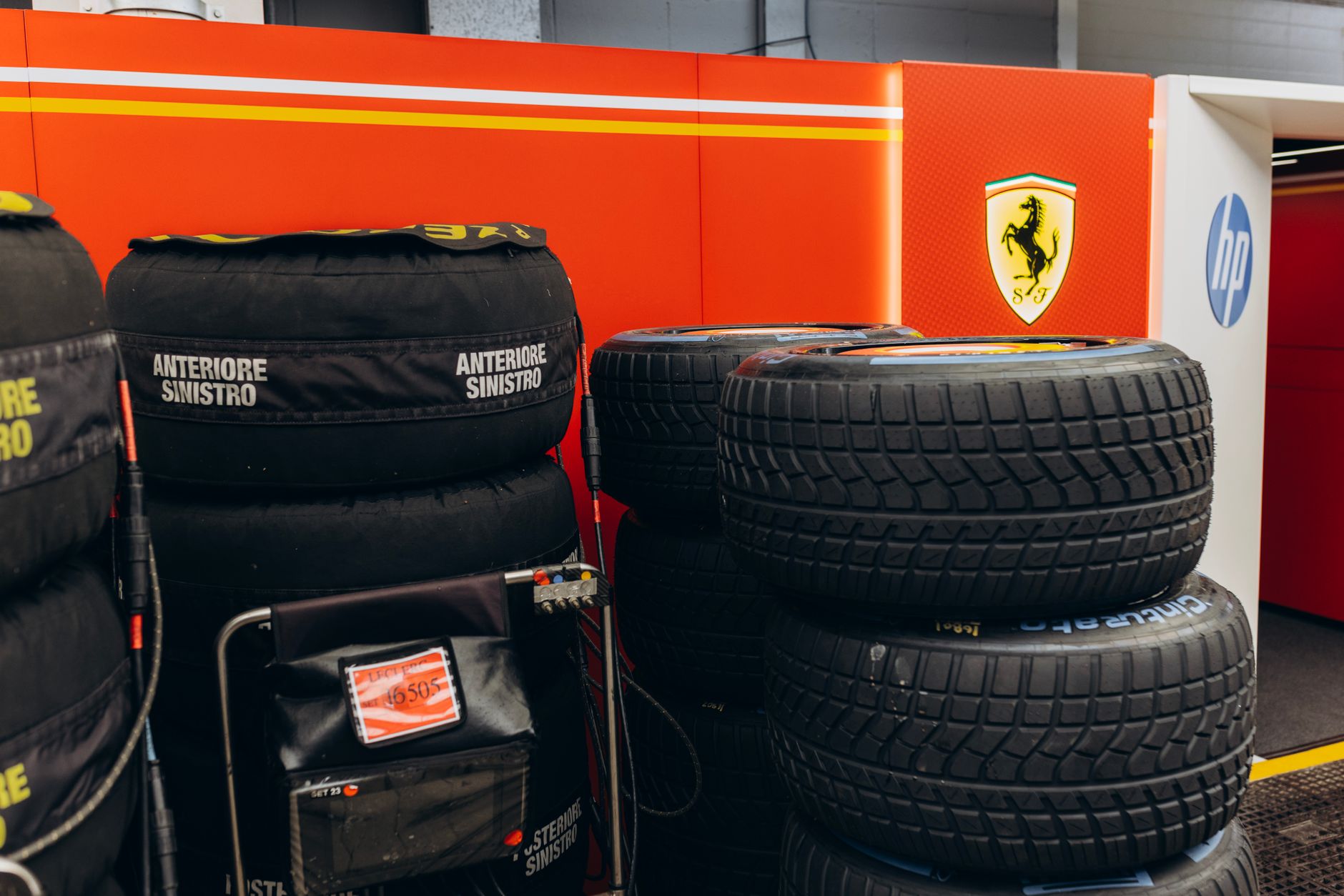
Pirelli’s compound selection has always shaped race strategy more than any single aerodynamic regulation, but something has shifted over the last two seasons that teams are only now starting to talk about openly. The gap in pace between the soft and the hard compound at certain circuits has become so pronounced that a one-stop strategy isn’t a strategic choice anymore - it’s a concession.
At circuits like Barcelona and Abu Dhabi, the lap time delta between the C3 soft and the C1 hard has been large enough that a driver starting on hards and running long is essentially banking on the entire field making a mistake. Track position matters, but not that much. When the compound gap reaches somewhere in the region of 1.2 to 1.5 seconds per lap in the opening stint, the maths on alternative strategies largely collapses. You’re not undercutting anyone. You’re just waiting to be undercutted.
The Problem Isn’t Degradation - It’s the Cliff
The degradation model Pirelli has targeted since returning to F1 as sole supplier was always intended to produce strategic variability. Tyres that degrade at different rates across compounds and temperatures should, in theory, open multiple viable windows. What actually happens at a growing number of venues is a cliff effect: the soft runs beautifully for 18 to 22 laps, then falls away sharply, while the hard never quite generates enough temperature to deliver on its theoretical pace advantage.
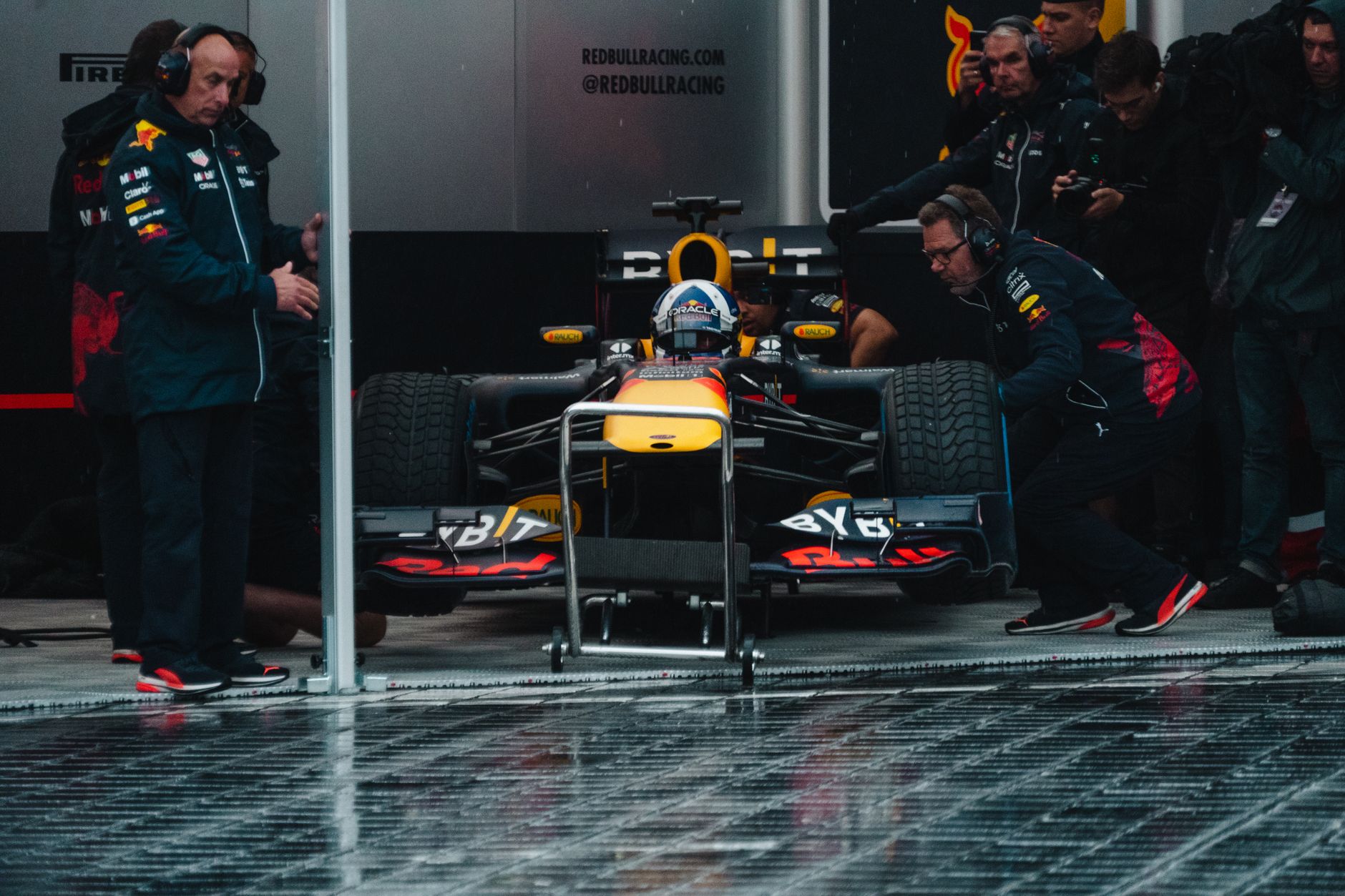
This isn’t uniformly Pirelli’s fault. The cars are generating more downforce than the tyre construction was originally calibrated for, and the load cycles at the front axle in particular have intensified. But whoever owns the problem, the result is the same: teams are selecting compounds not to exploit variation but to avoid the cliff. Conservative compound selection is now default behaviour, and races are showing it.
One Stop, Every Time, Forever
Four of the last seven dry races on the 2026 calendar have effectively produced one-stop processions where the strategic narrative was resolved by lap 18. That’s not a sample size large enough to declare a crisis, but it’s large enough to notice the pattern.
The FIA’s regulatory push toward the 2026 car concept was supposed to produce closer racing through aerodynamic reform. It may well have done that in wheel-to-wheel terms. But no amount of reduced downforce sensitivity fixes a compound range that has lost the ability to generate genuine strategic divergence - and that’s the part of the conversation that keeps getting quietly shelved.