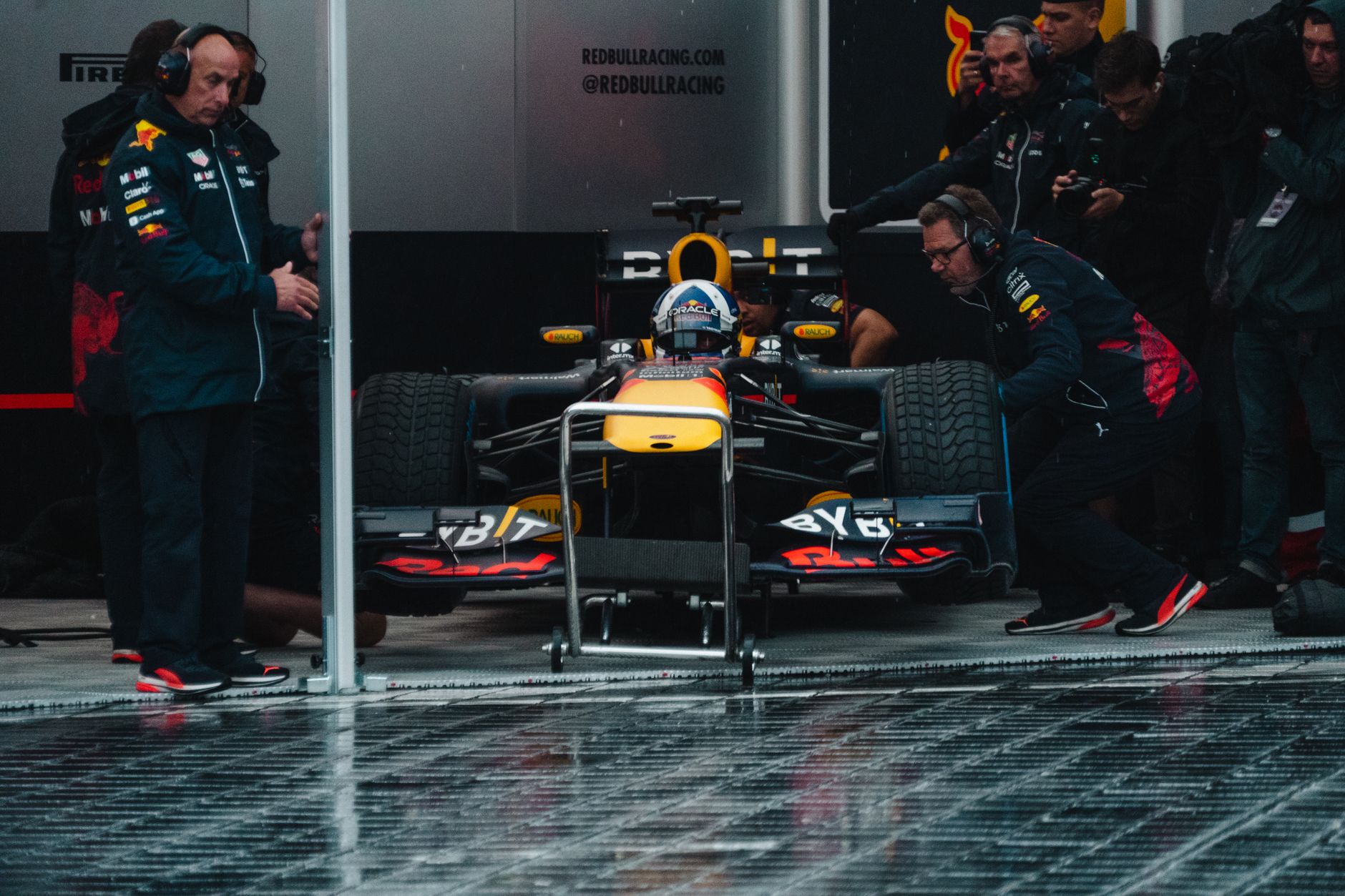
Red Bull won 21 of 22 races in 2023, under a budget cap, and that should have ended the idea that the cap was a cure for dominance. It wasn’t designed as one, but it was sold as something close.
The logic was simple: limit spending and the grid compresses. For the midfield, that has largely held. For the front, the cap changed something subtler. Before 2021, a team that missed a regulation reset could throw money at the problem for two seasons and claw back. Now the ceiling applies to everyone, so the team that gets the concept right first keeps its lead for longer. The cap closed the exits as well as the entrances.
The ground-effect rules of 2022 showed it. Red Bull found a platform that worked and kept developing it while rivals were still working out why their cars bounced. Nobody could build a second, parallel programme to hedge. Teams had to commit, and the ones that committed wrongly paid for it.
That is why the 2026 rules matter more than the usual reset hype suggests. The new power units drop the MGU-H and lean much harder on electrical deployment, and the chassis rules bring in active aerodynamics. Those changes are large enough that a single smart interpretation could be worth more than a year of ordinary development. Under the old spending free-for-all, that was a problem for a few seasons. Under the cap, it can define an era.
The sport’s defence is that cost control keeps more teams viable and the gaps smaller. That is probably true lower down the order.
But a leveller that works from P4 to P10 and not from P1 to P3 isn’t what anyone promised.
I’d argue the real tool is the one F1 keeps using sparingly: adjusting regulations mid-cycle when one team is clearly ahead. Technical directives and the 2021 floor changes did shift things, but only when the pressure was loud enough to be political. The cap should come with a clearer, pre-agreed mechanism for that, so a year-one head start doesn’t become a five-year lease.
Until then, the cap rewards the best guess, and the best guess is worth more than it has ever been.