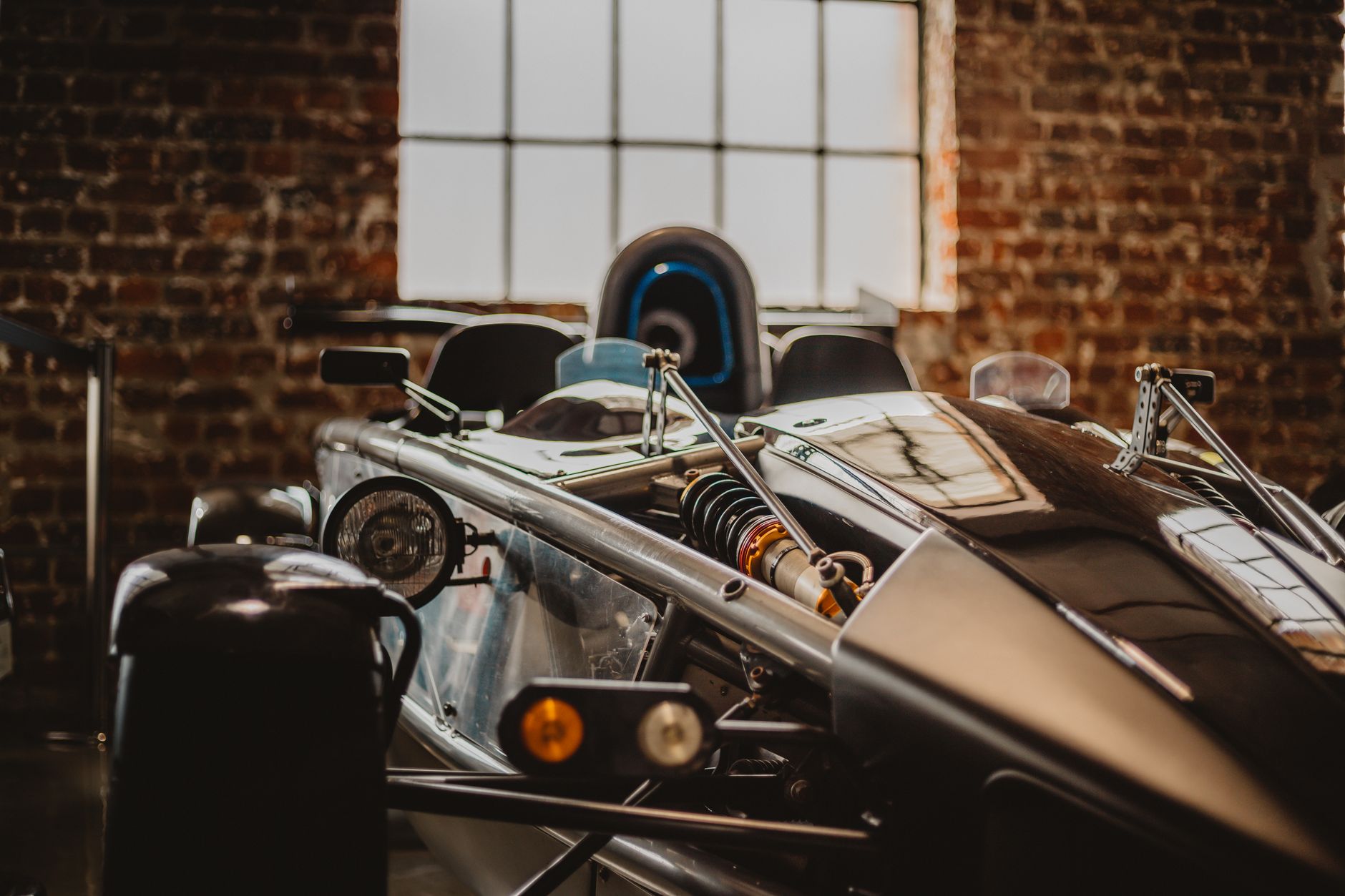
The “clean slate” line gets rolled out before every major F1 rule change, and it has been wrong almost every time. 2009 gave us Brawn GP, a one-year miracle built on a double diffuser loophole. 2014 gave us the hybrid turbo era and eight straight constructors’ titles for Mercedes. 2022 brought ground effect back and Red Bull promptly won the next two constructors’ championships. A reset doesn’t erase advantages. It reshuffles who gets one first.
The engine is the story, not the aero
The 2026 rules deleted the MGU-H and pushed far more of the power into the electrical side, with the MGU-K output rising to roughly 350 kW. Active aerodynamics replaced DRS. Most of the coverage went to the cars’ shape and the overtaking promise, but I think that’s the wrong place to look. A chassis can be fixed mid-season. A power unit concept is locked in years earlier, and the way it deploys and recovers energy sets a ceiling that updates can only nudge.
That’s why the manufacturer lineup mattered more than any wing regulation. Audi arrived as a works team after taking over Sauber. Honda partnered with Aston Martin after its Red Bull years. Red Bull built its own power units with Ford. Mercedes and Ferrari were the only established names that didn’t have to start from scratch. Four of those are first-time builds under a new formula, and that is where the real inequality in a reset sits.
Drivers become energy managers
The more electrical energy a lap depends on, the more a driver’s job shifts from attacking every corner to deciding where to spend the battery. Some will be excellent at that, and some of the great qualifiers will find it irritating. I’d expect the sport to spend a while arguing about whether that’s racing or accounting.
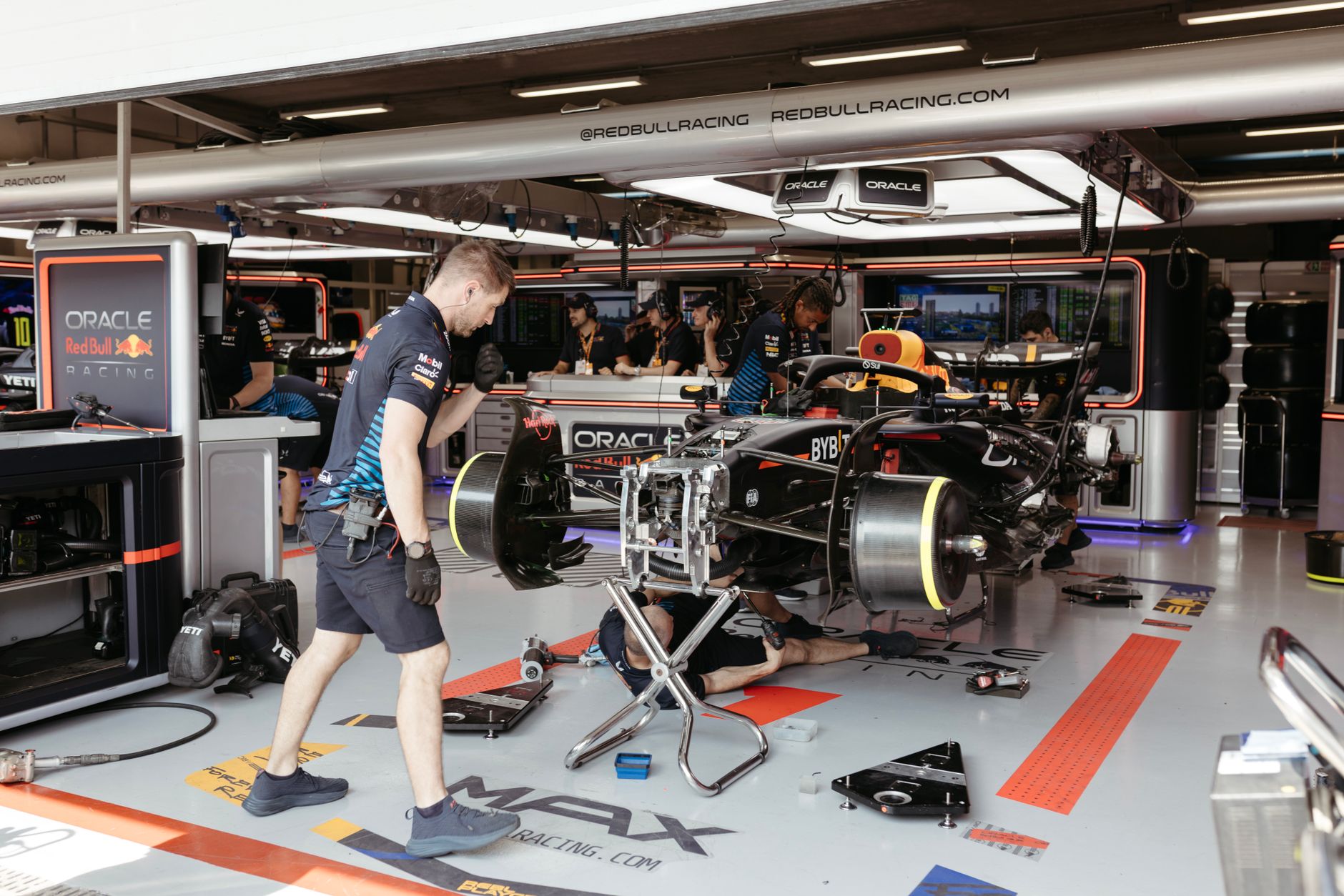
Cadillac
The eleventh team is the only one nobody expects to be a title threat, and it might be the most interesting test of the cost cap.
The part nobody wants to say
A reset makes a good story for the first few races and then a familiar one. The teams with the biggest budgets, deepest simulation tools and best engineers close gaps faster than anyone else, which is why 2009 is the exception that gets remembered and 2014 and 2022 are the rule. If the 2026 order has already started to harden, that isn’t a failure of the regulations. It’s what regulations do. The harder question is whether the cost cap, which was supposed to compress that catch-up phase, has actually changed how long it takes.