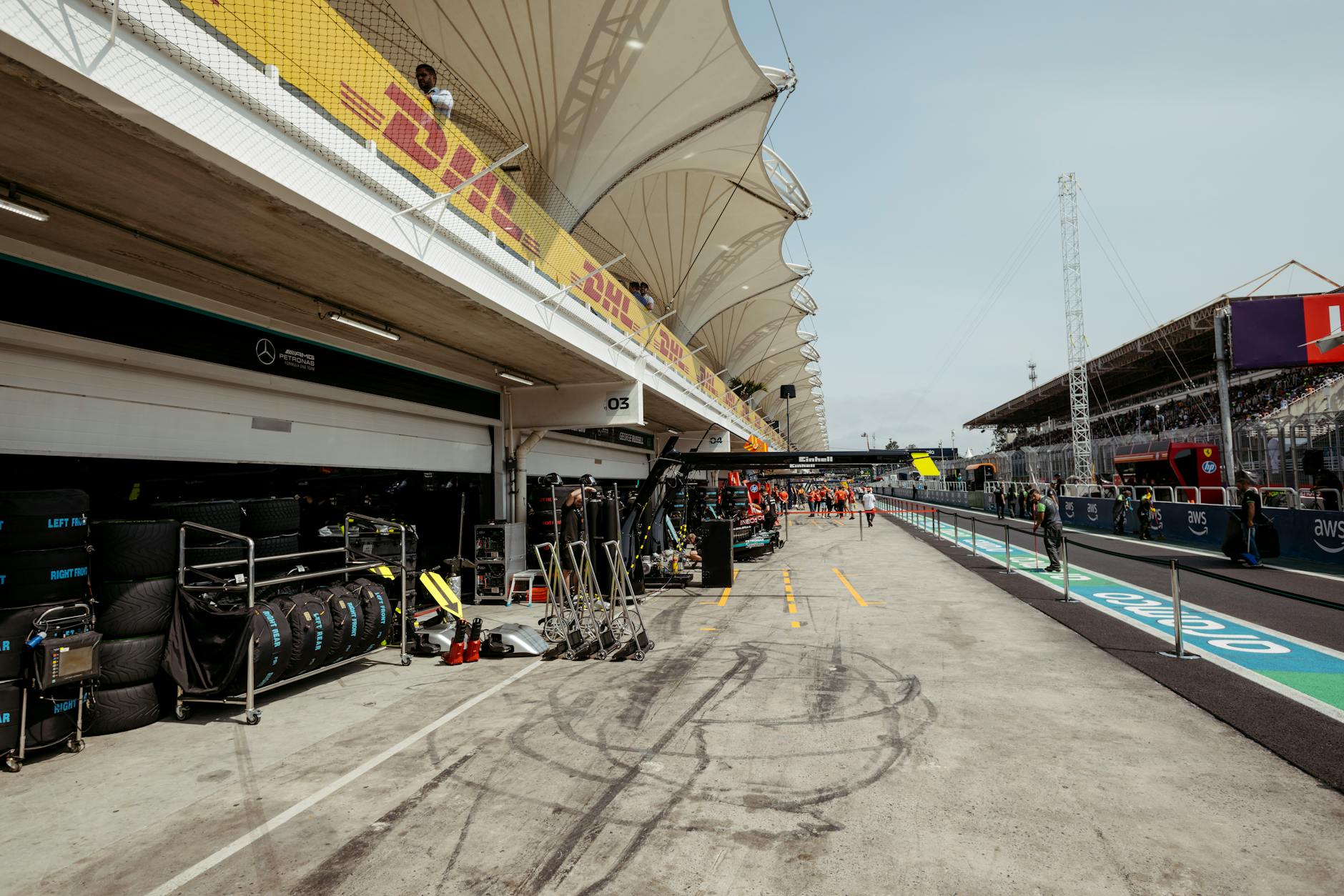
There’s a version of this Red Bull story where everything is fine. Verstappen wins championships, the team collects constructors’ points through sheer dominance, and whoever sits in the second car is a footnote. That version held up for a while. It’s becoming harder to maintain.
The second seat at Red Bull has been a revolving door of underperformance and internal friction since Daniel Ricciardo left in 2018. Pierre Gasly, Alex Albon, Sergio Pérez - each arrived with credentials, each left (or is leaving) with their reputation diminished. Pérez’s decline from 2023 to 2025 was particularly damaging: a driver who had looked genuinely competitive in the first half of 2023 was finishing races in the midfield by mid-2025, leaking constructors’ points to Ferrari and Mercedes every weekend.
The obvious response is to keep cycling through options until someone sticks. But that misses what the pattern is actually telling you.
The Car Demands Something Specific
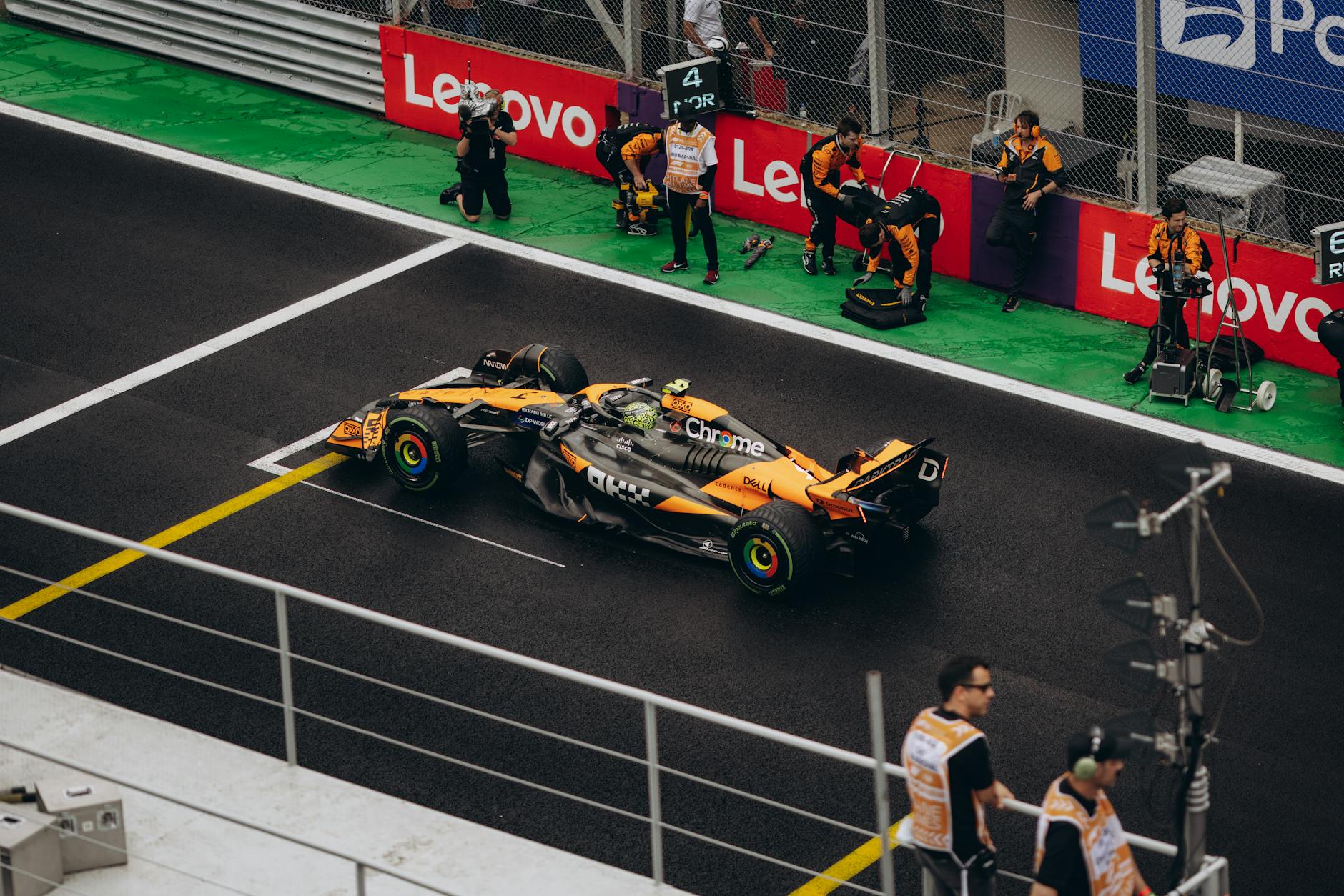
The RB car - particularly across 2023 and 2024 - was notoriously difficult to set up. Multiple drivers and engineers commented publicly on its sensitivity to driver input and its narrow operating window. Verstappen’s ability to work within that window, and to give feedback that helped optimise it around his style, became a competitive advantage in itself. The problem is that same setup philosophy made the car genuinely harder for any second driver to extract performance from.
This isn’t a new phenomenon in F1 - Adrian Newey-era cars have historically been described as rewarding to fast, confident drivers and punishing to everyone else. But the gap between Verstappen and teammate has been wide enough, for long enough, that it’s reasonable to ask whether the car is being designed around one driver’s inputs rather than two.
What This Costs
In a close constructors’ fight, losing 20–30 points a season from a second driver who can’t stay in the top four is the difference between first and third. Ferrari, with two genuine top-six finishers most weekends, extracts far more from the constructors’ standings than their car advantage alone would suggest.
Red Bull have identified Liam Lawson as their current answer. He’s quick, composed under pressure, and has shown more racecraft in limited outings than some teammates managed across full seasons. Whether he can thrive in a car that may be fundamentally shaped around someone else’s driving style is a different question - and one Red Bull haven’t answered yet.