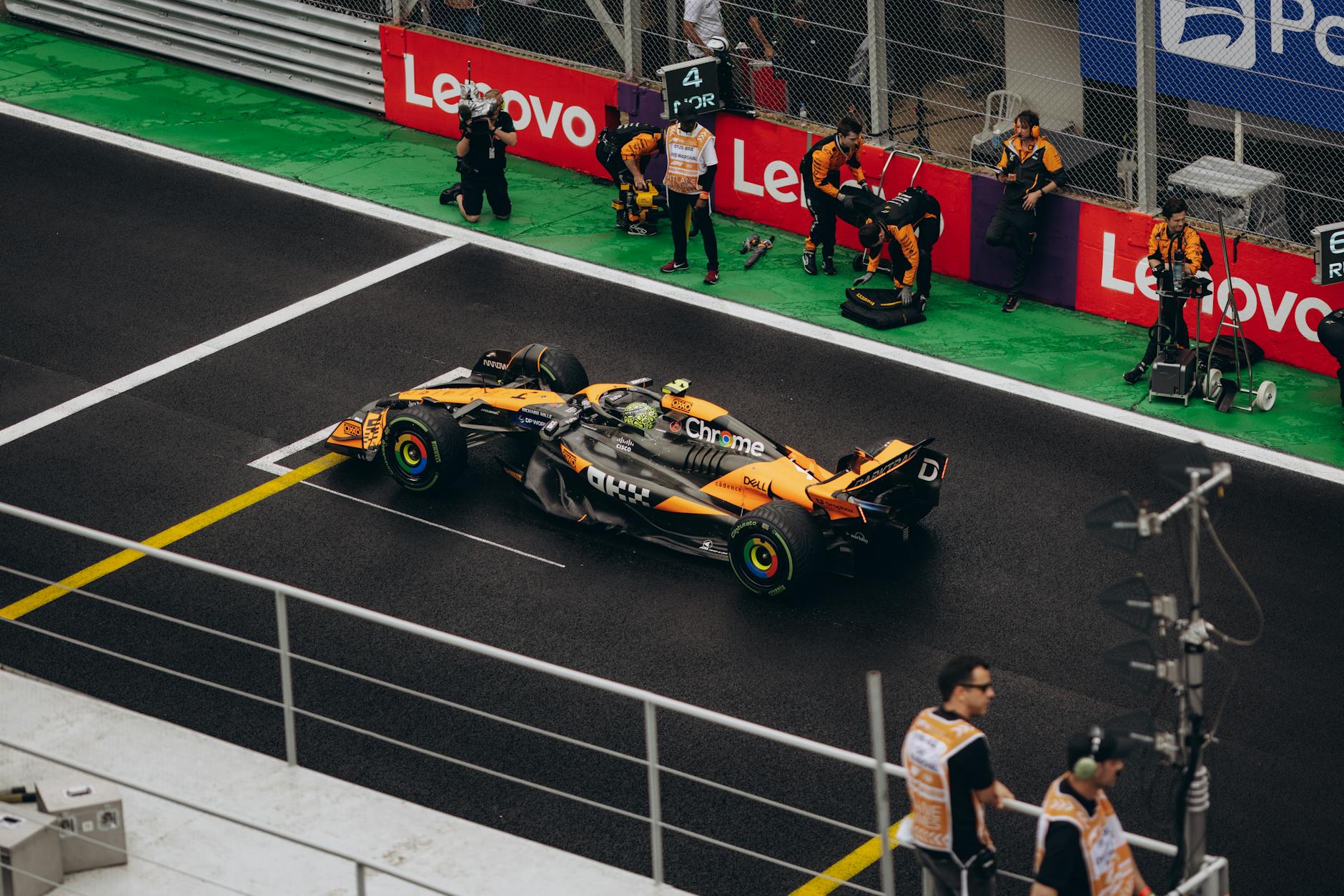
There was a quiet but persistent narrative running through the final years of Lewis Hamilton’s time at Mercedes: that the team had plateaued partly because of him. Not stated outright, never in a press release, but detectable in the framing - that his win count had dried up, that his relationship with the car had become complicated, that perhaps a reset with George Russell as the clear lead driver would unlock something.
We are now well into that reset. It has not unlocked anything.
Mercedes has spent 2025 and the opening rounds of 2026 still chasing a car that genuinely works across an entire season. Russell has driven well enough that his ability is beyond question, and Andrea Kimi Antonelli has shown flashes of real promise, but the W-series cars have remained difficult and inconsistent in the way that W14 was - peaky, sensitive to track conditions, never quite the package that the simulator suggested it should be.
Hamilton, meanwhile, finished on the podium in his debut Ferrari season multiple times and has adapted to the SF-25 quicker than most observers predicted given his age and the scale of the switch. Ferrari’s car is not perfect either, but Hamilton has been competitive. Whatever rust people expected to see has not materialised in any meaningful way.
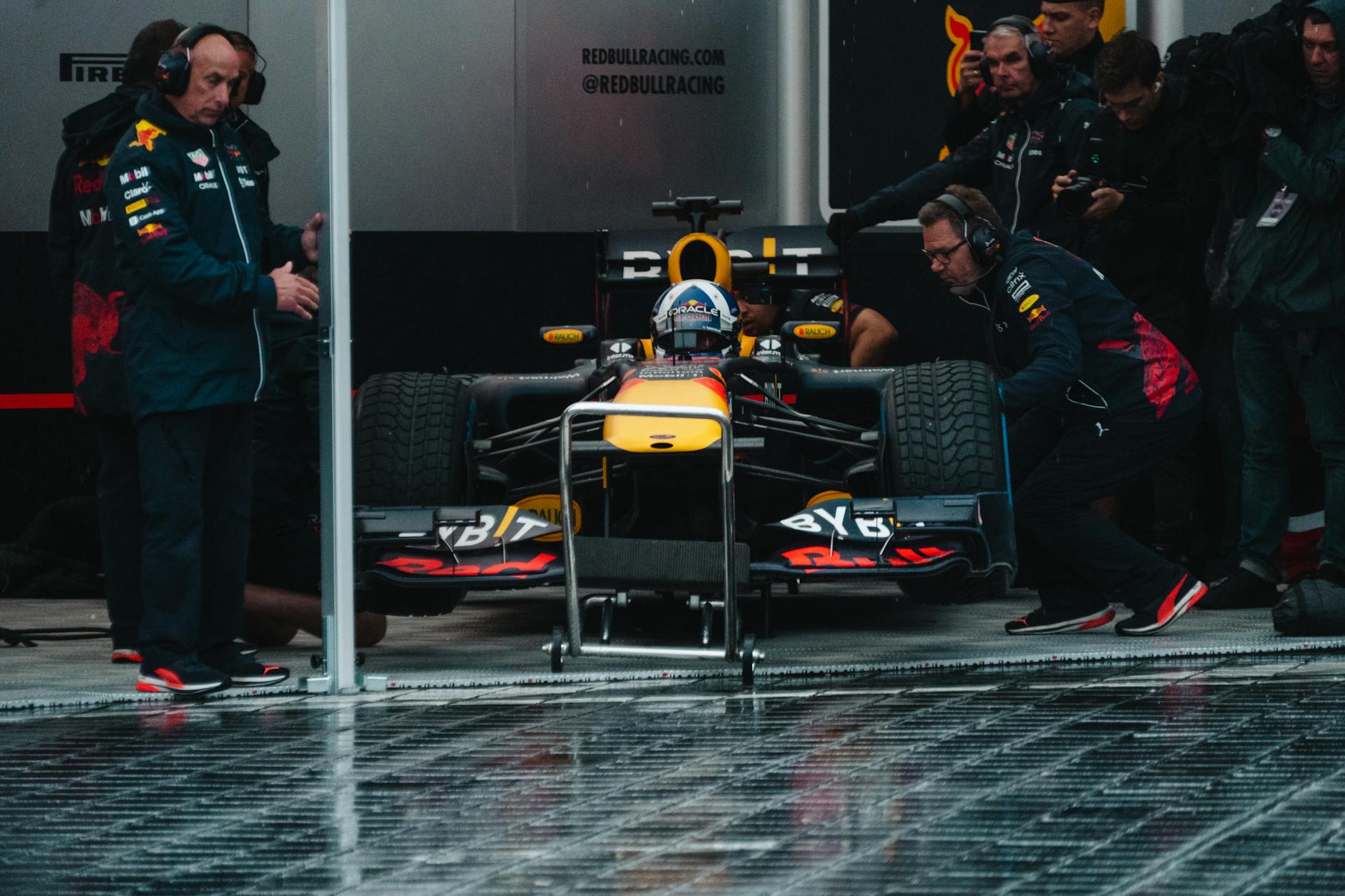
The real problem was always the floor concept
Mercedes’ struggles trace back to design philosophy decisions made years ago - specifically the zero-pod concept that Red Bull and others eventually rendered obsolete, and the subsequent difficulty the team has had finding a stable aerodynamic baseline under the current ground-effect regulations. Those are engineering problems, not driver problems. But when a seven-time world champion is sitting in your car and not winning, it is easier to let the association blur.
Nobody at Mercedes has publicly revisited the Hamilton departure and said it was a mistake. That would be an extraordinary admission. But the evidence accumulating across 2025 and into this season makes the original framing look increasingly thin.
The car was slow. It still is. Hamilton was not the variable that explained it.
He’s winning more regularly at Ferrari than Mercedes would probably like to watch, and every result he adds to that tally makes the internal logic of his exit harder to reconstruct.