The prevailing read on McLaren’s recent dominance is that they finally cracked the aerodynamic window that Red Bull owned for three seasons. That’s true enough on the surface. But watching the race data across this season, the gap isn’t showing up where most people expect - in qualifying trim or peak straight-line speed. It’s showing up in tyre delta over the final 15 laps, consistently, at circuits with completely different surface characteristics.
That’s not an aero story. That’s a setup philosophy story.
The Rear Tyre Problem Everyone Else Is Still Solving
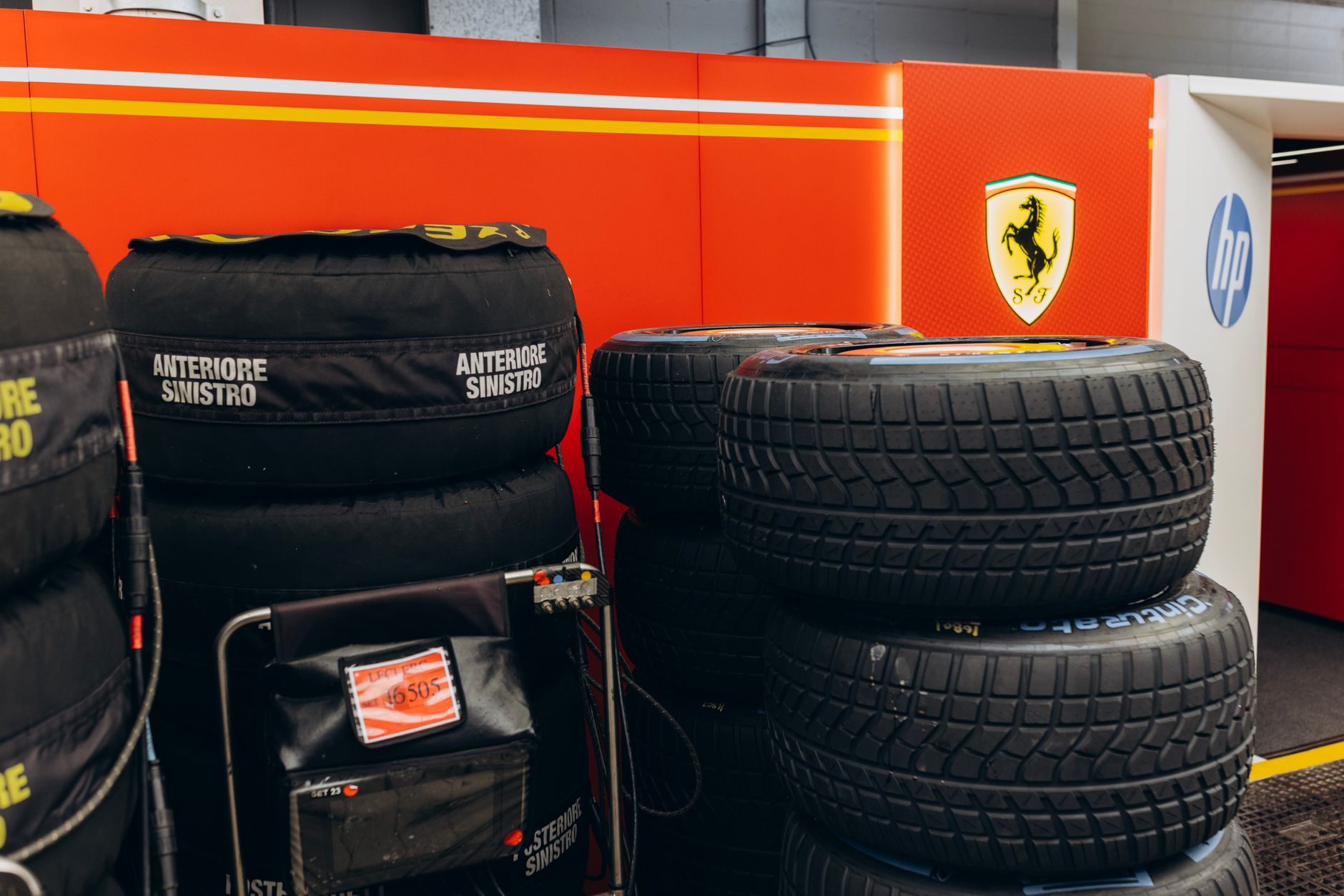
Pirelli’s current construction - particularly the C3 and C4 compounds - degrades differently depending on how a car generates its cornering force. Cars that lean on rear mechanical grip to rotate through slower corners tend to overheat the right-rear in particular when the ambient temperature climbs past a certain threshold. Ferrari has been visibly dealing with this since the Bahrain round. Mercedes found a partial fix through ride height adjustment but gave up too much in medium-speed sectors to compensate.
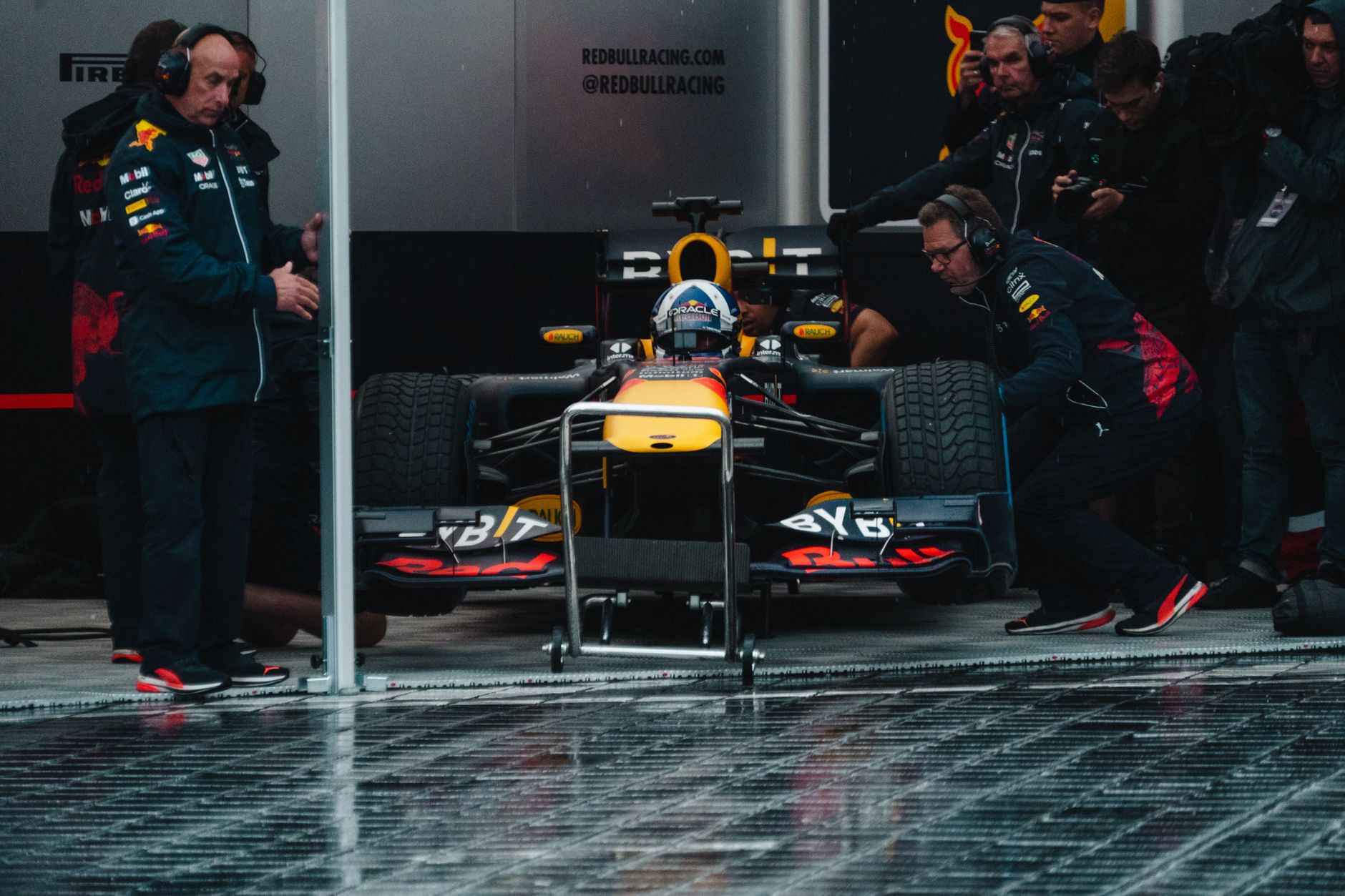
McLaren’s approach - and this is observable rather than confirmed by the team - appears to prioritise front-end load to do the rotational work, keeping rear slip angles lower and tyre temperatures more stable deeper into stints. The practical result is that their pace at lap 45 of a 55-lap race looks almost identical to their pace at lap 25. Most of their rivals can’t say the same.
The reason this matters beyond one season is that it’s not a setting you can just copy. It’s baked into suspension geometry and weight distribution decisions that were made 18 months before the car turned a wheel. You don’t fix that at a factory debrief.
What the Pit Wall Is Actually Doing
McLaren’s strategists have started taking this for granted in the best possible way - they’re now making calls that only make sense if you already know your tyres will be fine. Extending stints past the theoretical cliff, running the medium compound in conditions where most teams would default to the hard, gambling on a one-stop when the two-stop is the consensus. It looks aggressive from the outside. From the inside, it’s probably just arithmetic.
The uncomfortable question for the rest of the grid is whether this is a 2026 regulation reset problem or a 2027 problem. Because if McLaren’s fundamental setup logic transfers cleanly to the new car, a year’s head start in tyre understanding compounds into something that takes longer than one winter to overcome.