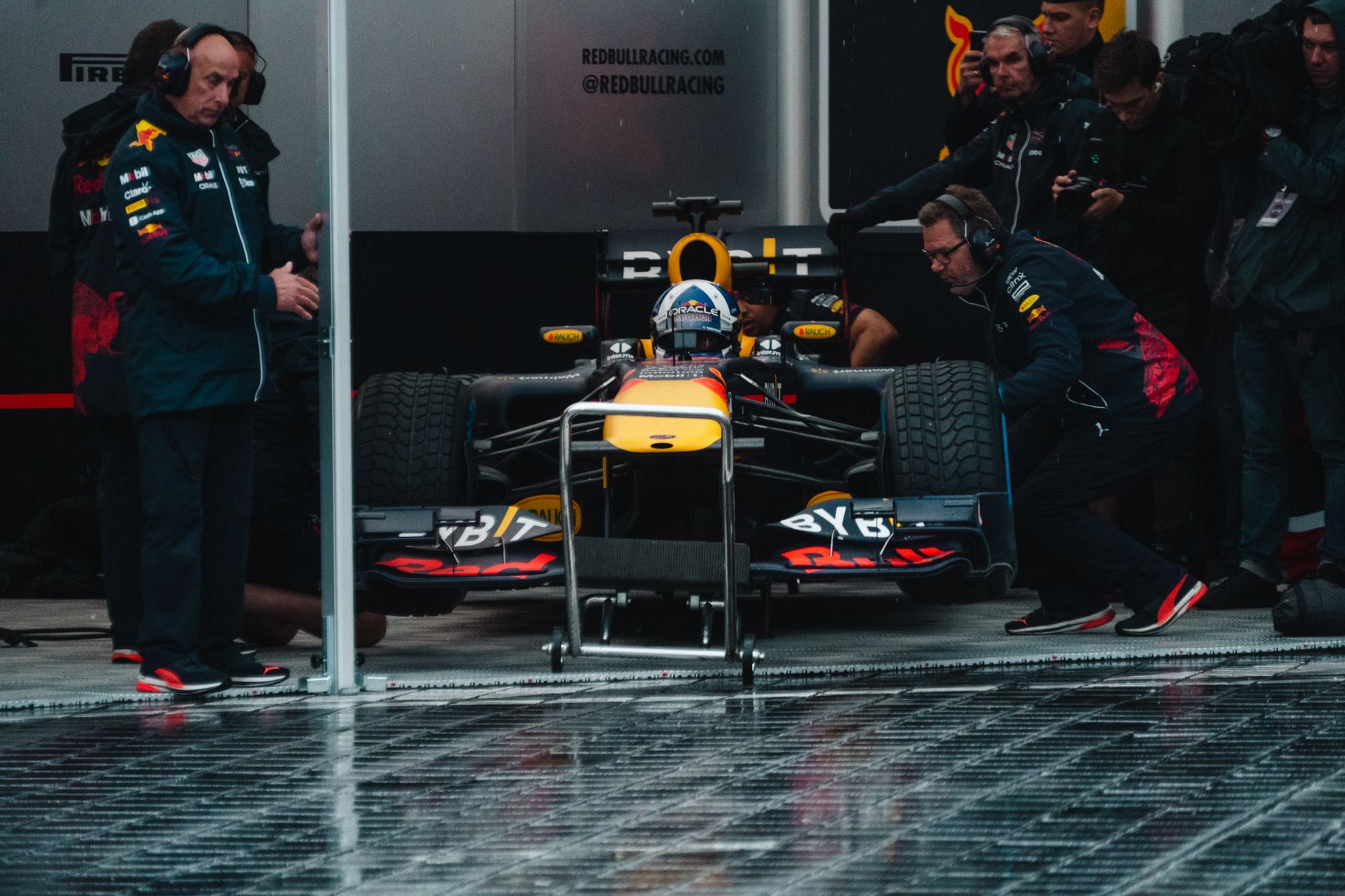
The conversation about McLaren’s resurgence always lands on the car. The MCL-series packaging, the aerodynamic gains post-2022 regulation cycle, Lando Norris finally being given machinery that matches his ability. All of that is real. But the thing that has quietly separated McLaren from Ferrari and Mercedes in close races isn’t in the wind tunnel - it’s the strategic calls coming over the radio.
Watch any race where McLaren is running in contested track position and the pattern becomes obvious. Their undercut timing is earlier than almost any other team would pull the trigger, and they commit to it without the half-second of hesitation that costs Ferrari a place into Turn 1. The decision to pit Norris at Bahrain in 2024 before the window looked conventionally open - and to have the tyre warm and the pace available when it mattered - wasn’t luck. That kind of call comes from a pit wall that has already run the numbers and is not waiting for confirmation.
Ferrari’s strategic department, by contrast, has spent years being the example analysts reach for when explaining reactive rather than proactive strategy. The Monza calls, the tyre gambles that came one lap too late. It has improved. But there’s still a visible lag between what the data is showing and when the decision arrives on track.
Why Timing Is Everything at the Current Tyre Window
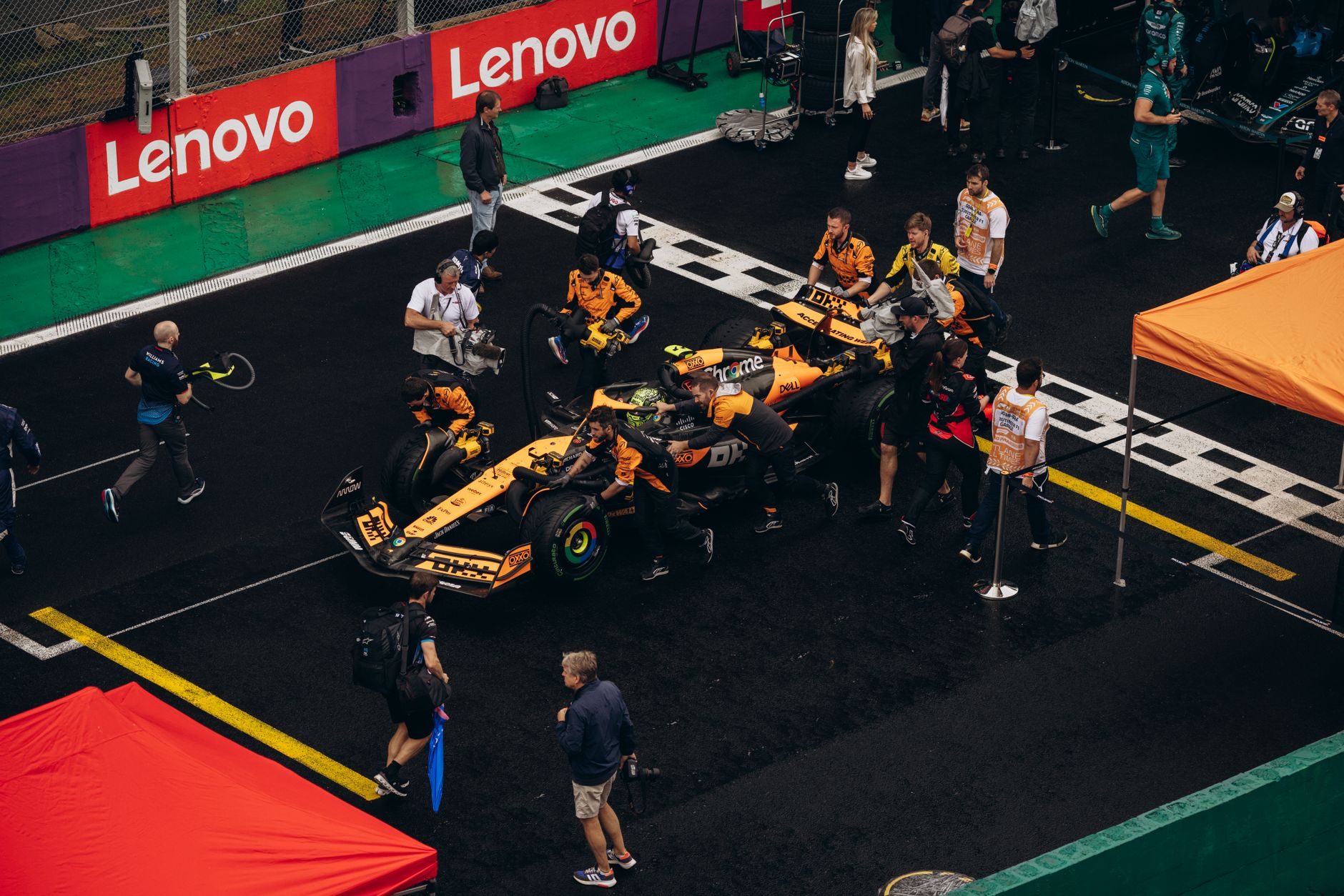
The 2026 regulations brought in revised tyre compounds from Pirelli with a narrower operating window - more performance available in a shorter phase, with a steeper drop-off after. That structure rewards teams who commit early, because the car doing the undercutting needs clean air to build temperature fast. A team that hesitates by even two laps risks sending its driver out on tyres that won’t reach peak grip before the critical window passes.
McLaren’s calls are consistently front-footed in exactly this context. Whether that comes from better modelling, better communication between engineers and strategists, or simply a culture that backs its own data, the output is visible.
The Norris Factor
Norris is also not a neutral variable here. He communicates tyre state early and accurately, which gives the pit wall clean information. Compare that to drivers who historically mask degradation or overclaim grip - their strategists are working with worse inputs, which makes late decisions more likely.
The combination of honest driver feedback and a pit wall willing to act on it before it’s obvious is what has made McLaren genuinely hard to beat in strategic races. The car helps. The strategy is the edge.