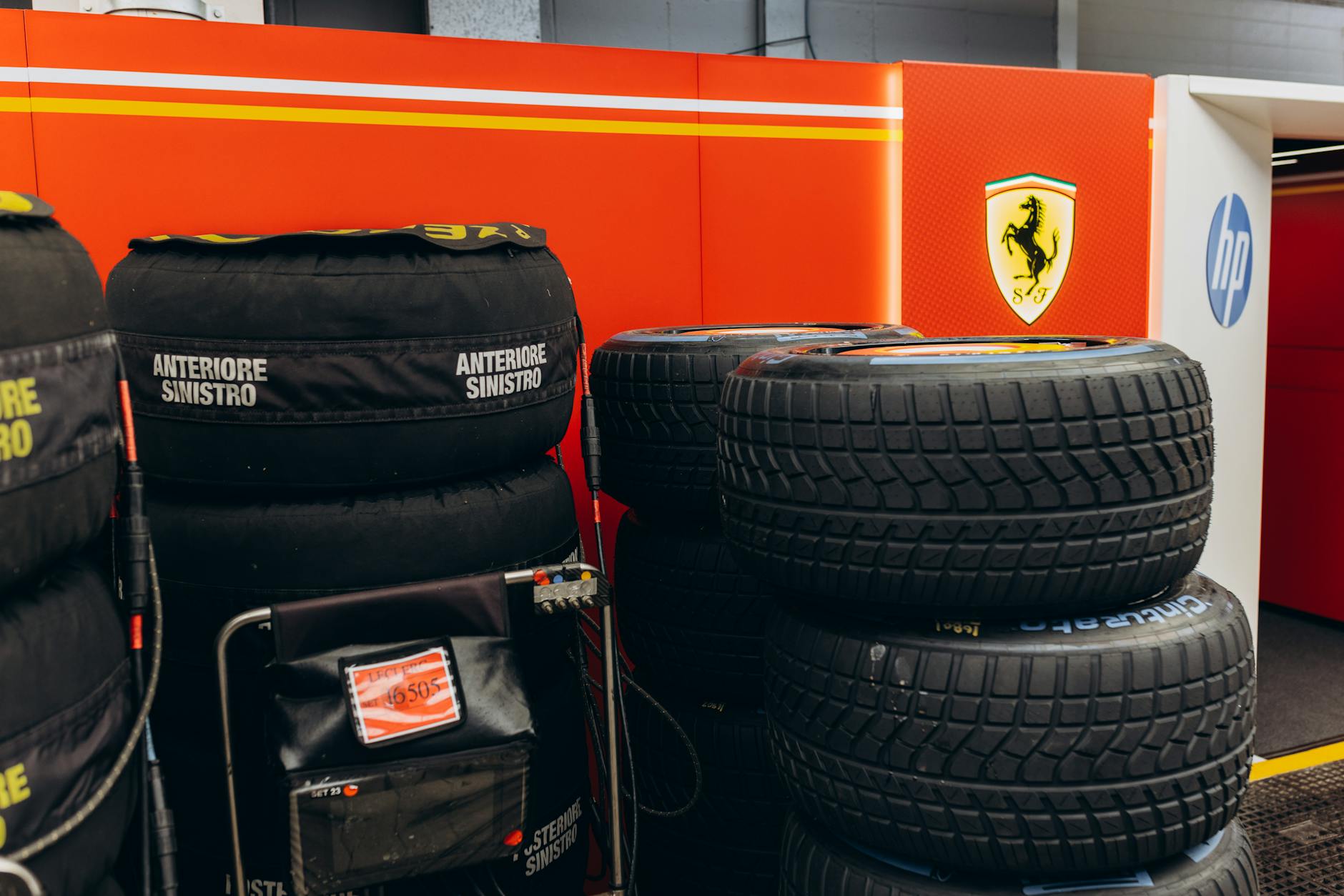
Ferrari’s pace deficit to McLaren and Red Bull gets most of the analytical attention, but that framing lets the Maranello operation off too lightly. The SF-25 is a fast car. On single-lap pace it has been legitimately competitive at multiple circuits this season. The problem isn’t the machinery - it’s the moment a Ferrari race strategy is tested under pressure, and the team blinks.
This isn’t a new observation, but it keeps being treated as one. The pattern has repeated across enough seasons now that calling it a structural issue rather than a run of bad luck feels like the only honest position. Ferrari routinely enter the final stint of races holding track position, only to either pit unnecessarily in response to a rival’s move or commit to a strategy that the data - even at the time - didn’t convincingly support. The result is the same: a podium at best, a question mark hanging over a team that clearly has the talent and equipment to win Grands Prix.
The Leclerc situation makes this especially sharp. Charles Leclerc is one of the two or three best drivers on the grid right now. His qualifying pace is elite, his racecraft in the opening laps is underrated, and his ability to manage tyre deg over a stint has improved considerably from his early years at Ferrari. He is not the reason races slip away.
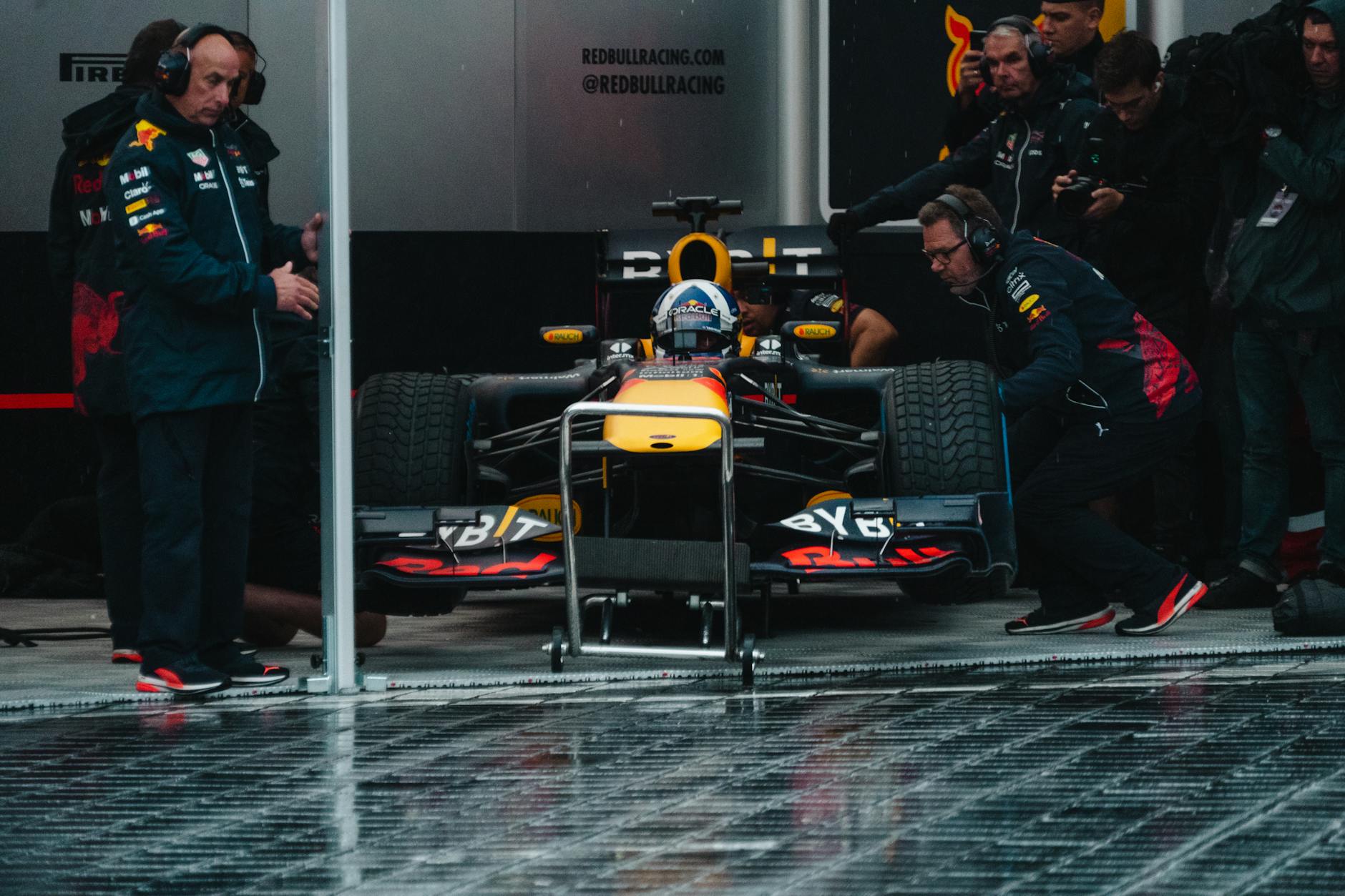
The Pit Wall Problem
What’s harder to fix than a car is an organisational culture around decision-making. Ferrari’s pit wall has cycled through personnel and structures, and the same hesitation under pressure persists. That tells you something about what’s systemic versus what’s personnel. Fred Vasseur brought credibility and a no-nonsense reputation when he arrived, and there’s an argument the situation is improving incrementally - but incrementally isn’t fast enough when McLaren is making calls with the kind of conviction Ferrari used to manage only in the Schumacher era.
Hamilton’s arrival adds a wrinkle to all of this that nobody has quite resolved yet. A seven-time world champion who has been vocal about wanting a team built around him is now operating inside a team that hasn’t consistently built around anyone. Whether that tension produces clarity or more noise is probably the most interesting open question in F1 right now - and the answer isn’t obvious.