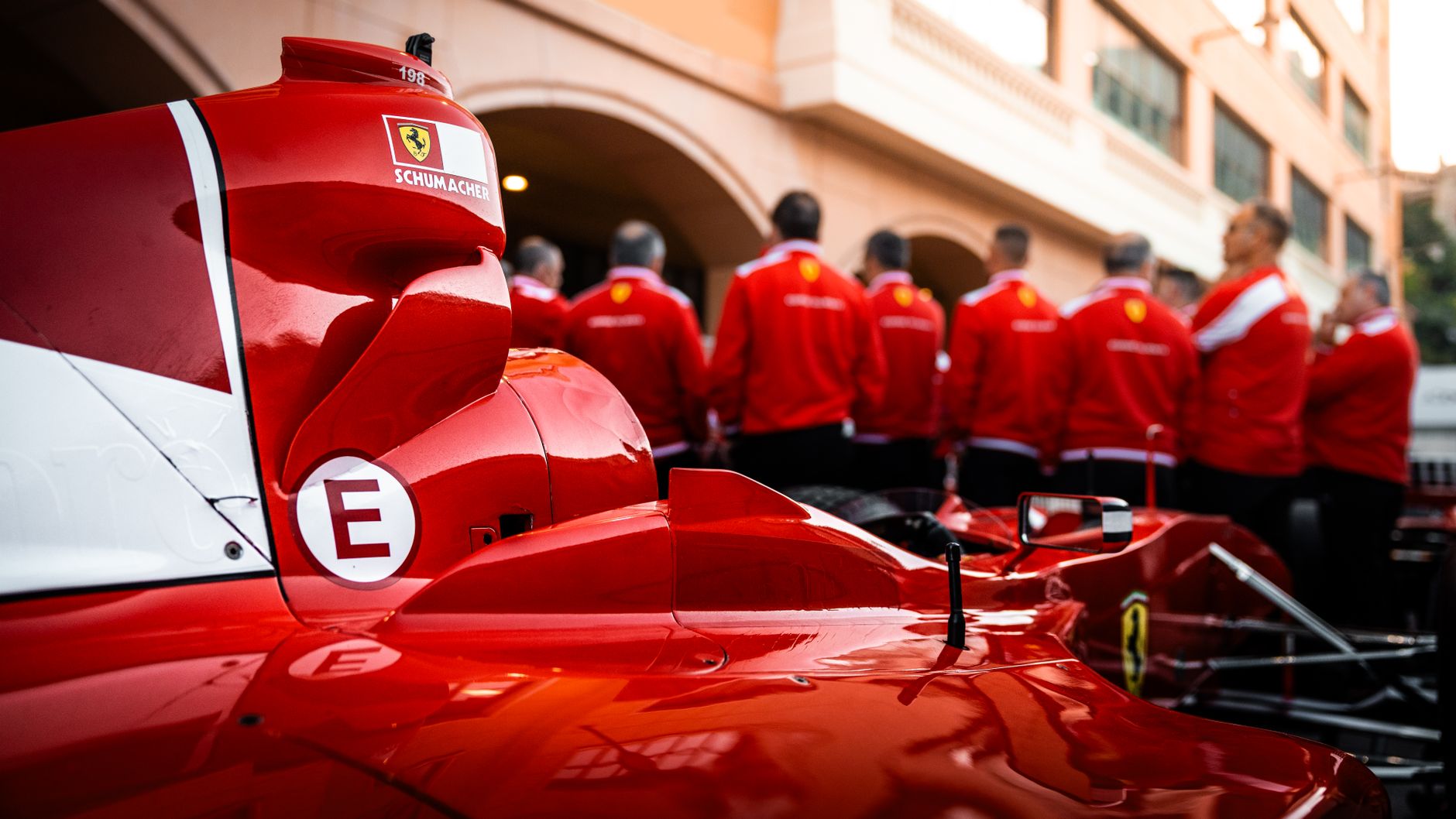
Ferrari finished 2024 with a car that was, at various points across the season, genuinely the fastest on the grid. They still lost the constructors’ championship to McLaren. That gap didn’t come from the wind tunnel or the dyno - it came from decisions made on a headset in Maranello’s remote garage.
The pattern is consistent enough now that calling it bad luck feels dishonest. Undercuts called too late. Drivers left out when the safety car window was obvious to everyone watching at home. Split strategies deployed not as calculated gambles but as a kind of institutional hedging - a way to avoid committing fully to any one call. When both options are covered, no one has to own the wrong one.
That last part is the real problem. Ferrari’s strategic culture appears to reward caution over conviction. The best pit walls in F1 - Red Bull through their dominant years, Mercedes at their peak - made wrong calls too, but they made decisive wrong calls. They had a read on the race and acted on it. Ferrari too often seems to wait for certainty that never comes, and in a sport where the window for an undercut closes in two laps, waiting is the same as deciding not to act.
Frederic Vasseur Has Changed the Atmosphere, Not the Process
Vasseur arrived in 2023 with real credibility - his work at Alfa Romeo and in junior categories earned genuine respect - and he clearly shifted something in the team’s internal culture. The drivers seem more settled. The relationship between Leclerc and the pit wall feels less adversarial than it did in the Binotto years.
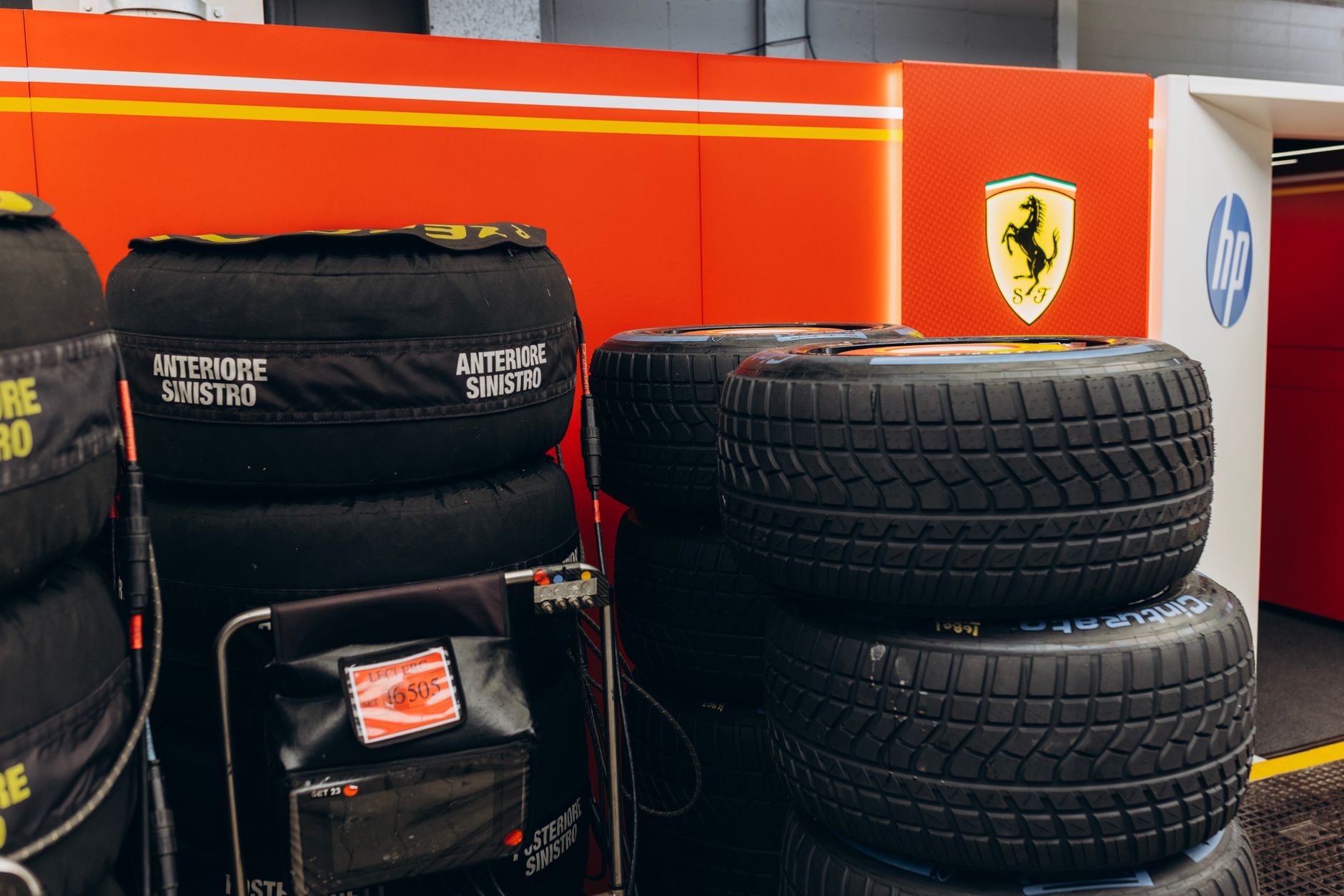
But the actual decision-making framework in a live race doesn’t appear to have been rebuilt. The same hesitancy shows up in the same situations. Whether that’s a staffing issue, a data interpretation issue, or something structural about how Ferrari processes real-time race information, the results keep pointing to the same gap.
Leclerc Deserves Better Than This
He’s 27. He signed a long-term extension. He’s fast enough - demonstrably, undeniably fast enough - to compete for a world championship in the right machinery with the right support.
Ferrati has the machinery. The support is the part that keeps costing him Sundays.
At some stage the conversation has to stop being about whether the car is quick enough and start being about whether the people making calls in real time are equipped to win a title. Right now, the evidence suggests they aren’t - and a faster car in 2026 won’t fix that on its own.