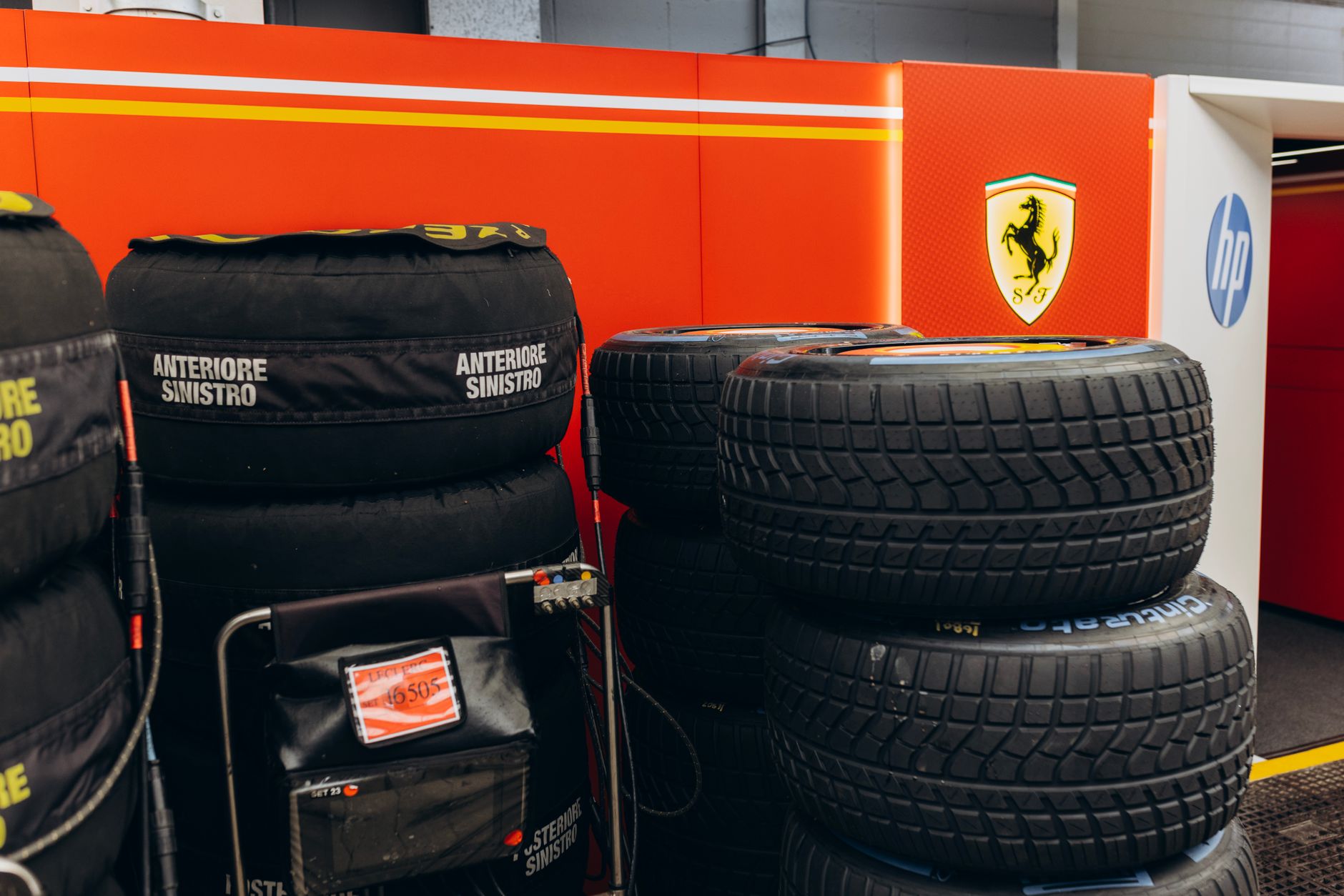
There’s a moment in almost every modern F1 race - usually somewhere around lap 20 - where the lead driver inexplicably drops two seconds a lap and the commentary team explains, with barely concealed resignation, that he’s “managing the tyre into the window.” The crowd noise drops. The graphic showing tyre degradation fills the screen. And the race, whatever momentum it had built, dissolves.
This isn’t a new problem, but it has become a defining one. The 2026 regulations brought new power unit architecture and reshaped aerodynamic philosophy, yet the fundamental issue that has plagued the sport since the Pirelli-mandated degradation era remains untouched: the best lap time is rarely the fastest lap time. Drivers are routinely penalised - by strategy, by physics, by team instruction - for actually pushing.
The dirty secret is that teams prefer it this way. Tyre management is predictable. It feeds into the simulation models that have become the real competitive battleground in F1. When a Haas or an Aston Martin manages to hold position for 30 laps by nursing a medium compound that should have been dead on lap 18, it looks like strategic genius. What it actually represents is a race format that tolerates, even rewards, passive driving.
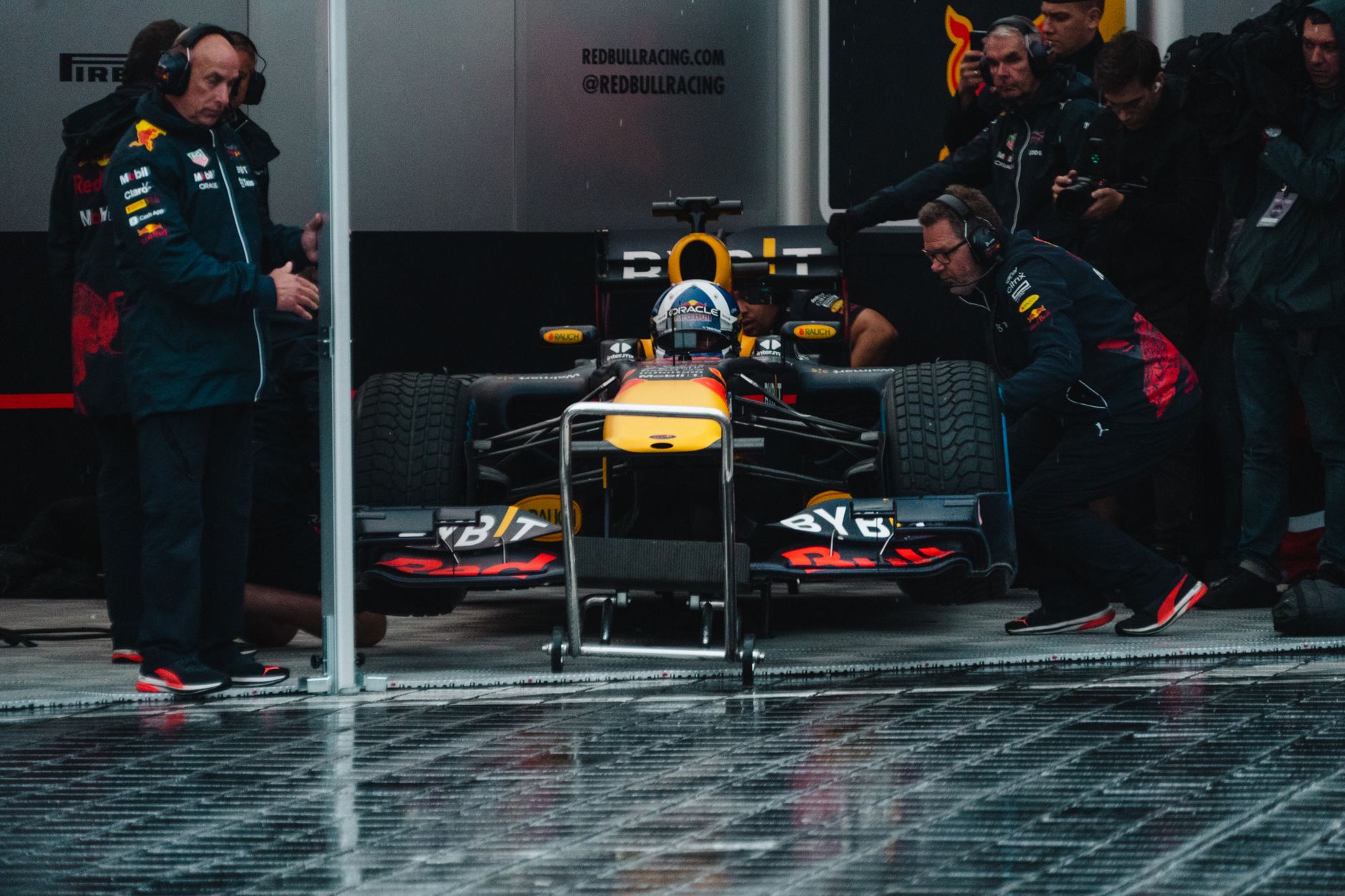
The drivers least suited to this era are the ones most worth watching. Max Verstappen built his reputation on brutal, instinctive pace - the kind that doesn’t survive a “lift and coast” instruction. Charles Leclerc has spoken openly in past seasons about the frustration of being told to slow down mid-race. Neither driver became a fan favourite by tiptoeing around a circuit.
Pirelli’s construction choices are only part of the equation. The two-compound mandatory stop rule forces teams into a conservation mindset from the opening lap, because the stop isn’t a tactical decision - it’s already scheduled. Every strategy call from that point is about minimising risk rather than maximising speed.
What F1 has produced is a sport where the most admired skill in the paddock is patience. Tyre whispering. The ability to extract race pace without actually using it. That’s a legitimate technical challenge, and the engineers who master it deserve credit. But it’s not a spectacle. And the gap between what F1 promises - the fastest drivers on earth, at the limit - and what it regularly delivers has never felt wider.