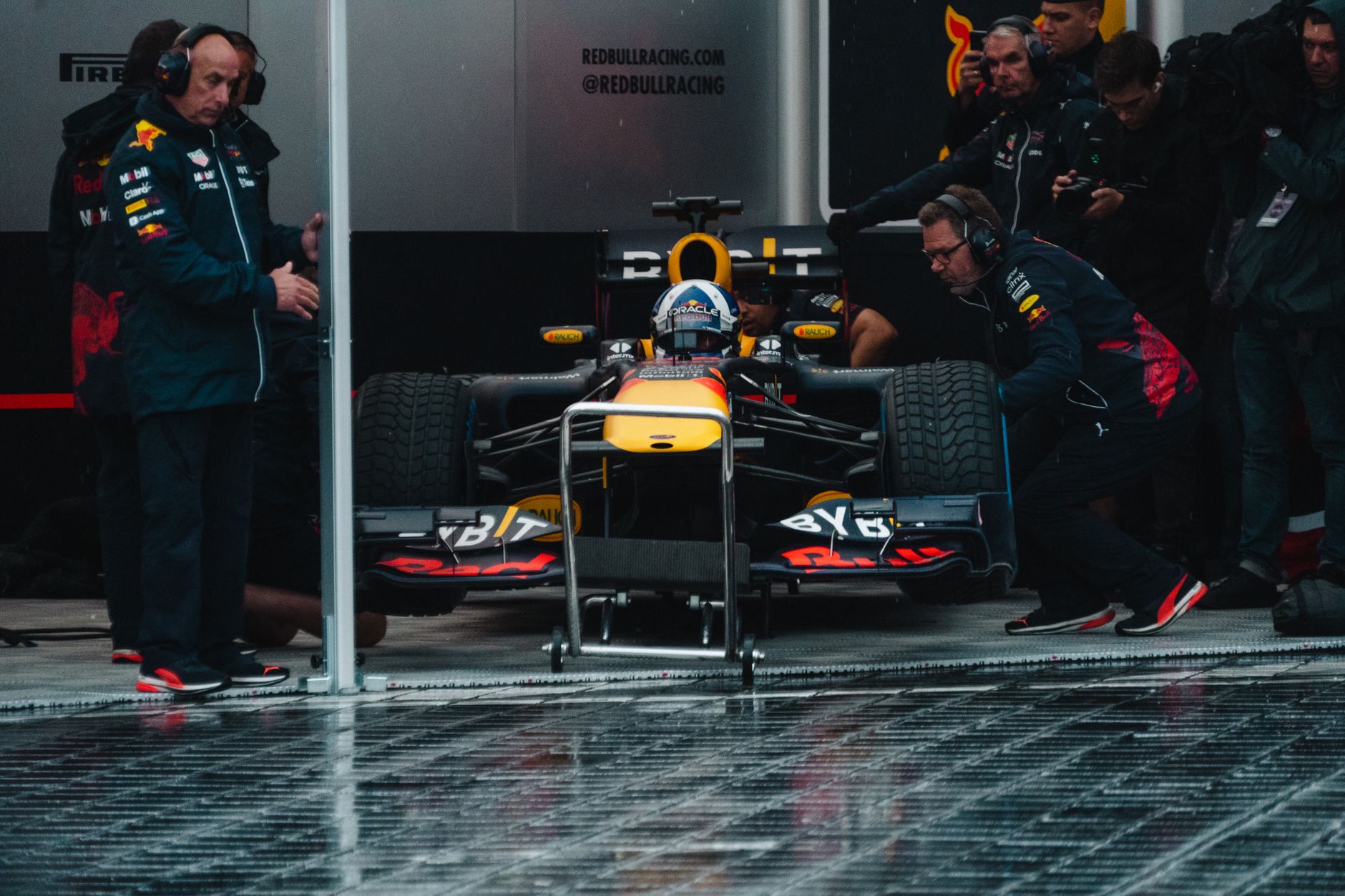
There is a moment in almost every modern grand prix - usually around lap 18 - where the television director cuts to an onboard shot of a driver nursing his tyres through a corner at seven-tenths, and the commentary team responds by calling it “masterful.” It isn’t masterful. It’s a driver deliberately going slowly, and the sport has somehow convinced itself this is entertainment.
Pirelli’s tyre compounds since the early 2010s have been designed, by the FIA’s explicit request, to degrade. The idea was that degradation would force multiple stops, create strategy variance, and generate overtaking. What it actually produced was a generation of drivers optimised for preservation over pace, and races where the most important lap is never the one you’re watching - it’s always the one three stints from now.
The Wrong Skill Is Being Rewarded
Tyre management has become so central to race outcomes that teams now factor it into driver evaluations as heavily as outright pace. That’s not an inherently bad thing - racecraft has always involved managing a car’s limits. But there’s a difference between a driver who can extract maximum pace within a tyre’s window and one who simply turns down the engine and coasts. The latter is winning races in 2026, and that should bother people.
The argument that “strategy is racing” doesn’t hold up under scrutiny. Strategy is interesting when it’s reactive - when a safety car reshuffles the order, when a team gambles on a one-stop against a two-stop field. That’s variance. What we have now is predetermined variance: every team knows before the race starts which compound phases will favour their driver, and the race becomes an exercise in executing a spreadsheet.
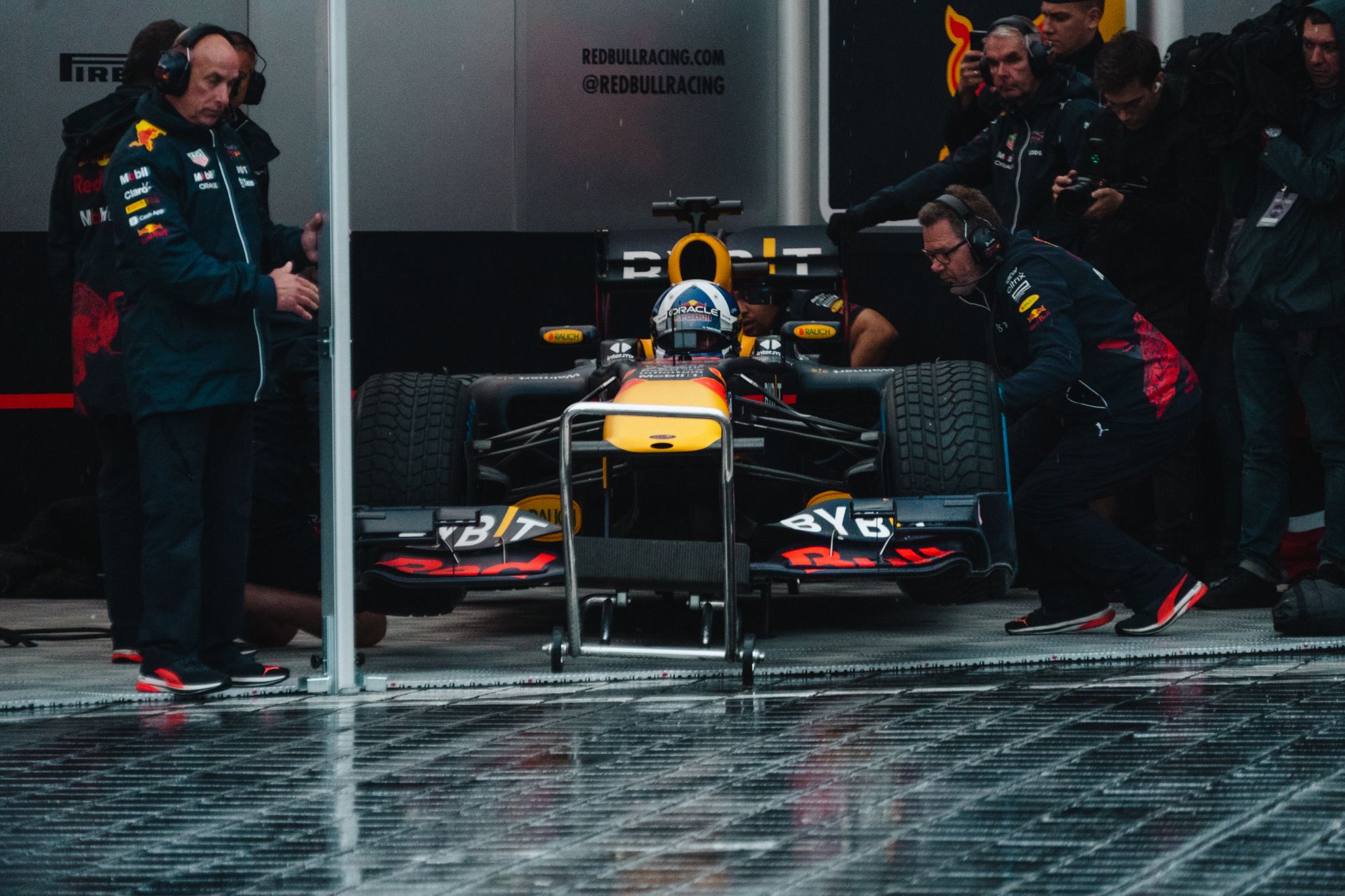
Monza Shows What’s Possible
The Italian Grand Prix historically produces more genuine racing than most of the calendar, partly because Monza’s low-downforce characteristics reduce the dirty-air problem, but also because tyre degradation there is comparatively low. Drivers can actually push. The races feel different - faster, more exposed, less managed.
That contrast isn’t an accident, and the FIA has been staring at it for years without drawing the obvious conclusion.
The 2026 regulation cycle brought new power unit rules and revised aerodynamic packages. What it didn’t bring was a meaningful rethink of compound philosophy. Pirelli will continue producing tyres that punish aggression. Teams will continue rewarding drivers who can disappear into their own heads for 20 laps and baby rubber across a stint. And commentators will keep calling it skill.
Some of it is skill. Most of it is the sport legislating pace out of its own product.