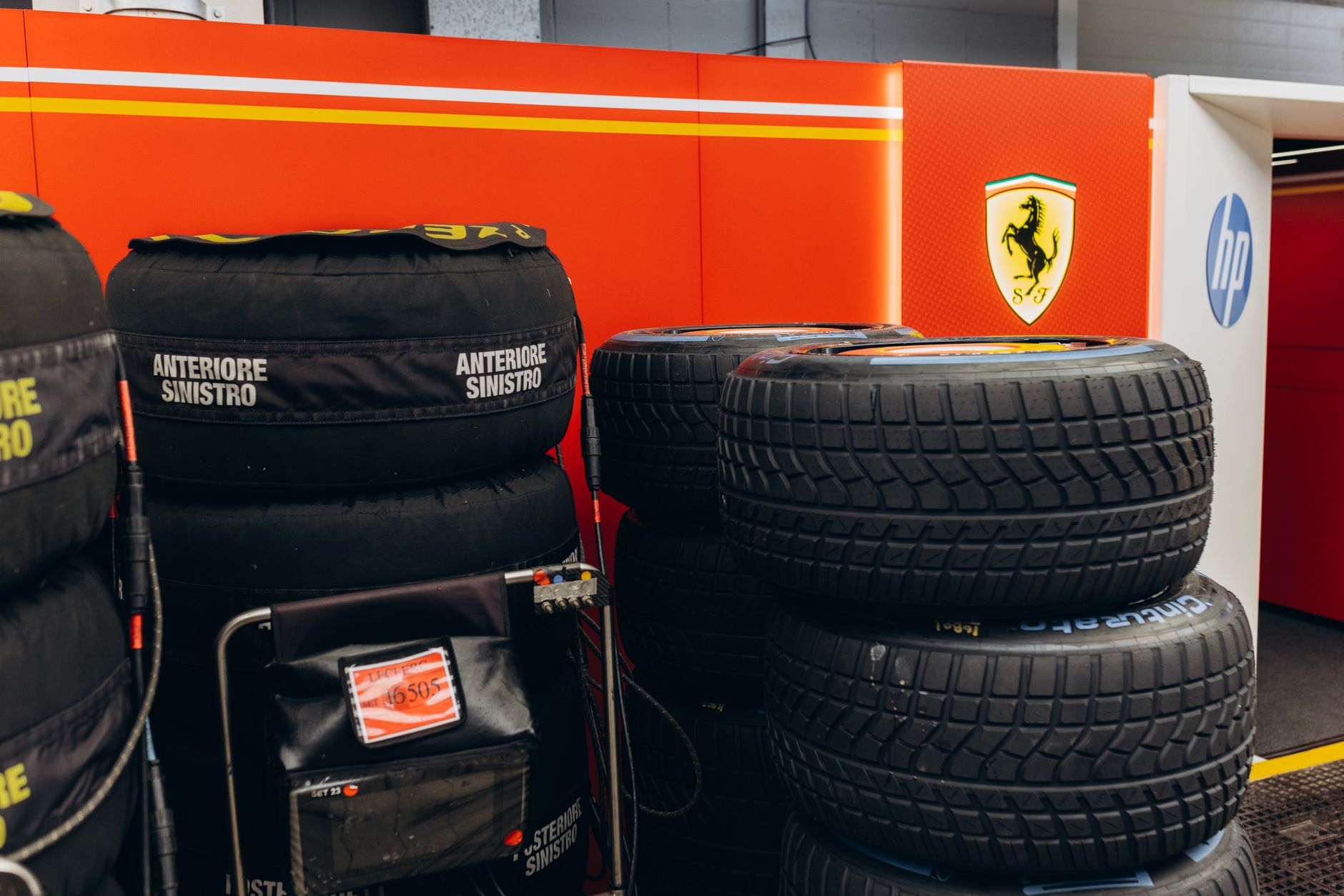
There is a moment in almost every modern Formula 1 race where the fastest driver on track is not the one at the front. He is buried in fourth or fifth, nursing a set of mediums, deliberately slow, waiting for a pit window that will unlock the pace he has been sitting on for twenty laps. The crowd at the circuit sees it. The television audience sees it. The drivers see it. And somehow this has become accepted as the pinnacle of motorsport strategy rather than a structural problem with how the sport is run.
Pirelli’s mandate to produce tyres that degrade visibly - a directive that traces back to the commercial desire for more pit stops and more overtaking - has instead produced the opposite. Teams have become so expert at managing the compounds that the racing collapses into a metagame about preservation. The driver who wins is often the one who was most aggressive with the throttle in the pit lane exit, not on the racing surface.
The 2025 season made this uncomfortable. At circuits like Barcelona and Bahrain, the fastest lap times were being set by drivers who had already been lapped or were on fresh rubber chasing a fastest-lap bonus point. The leaders, by contrast, were driving a completely different race - one conducted at roughly 90 percent of their capability for long stretches.
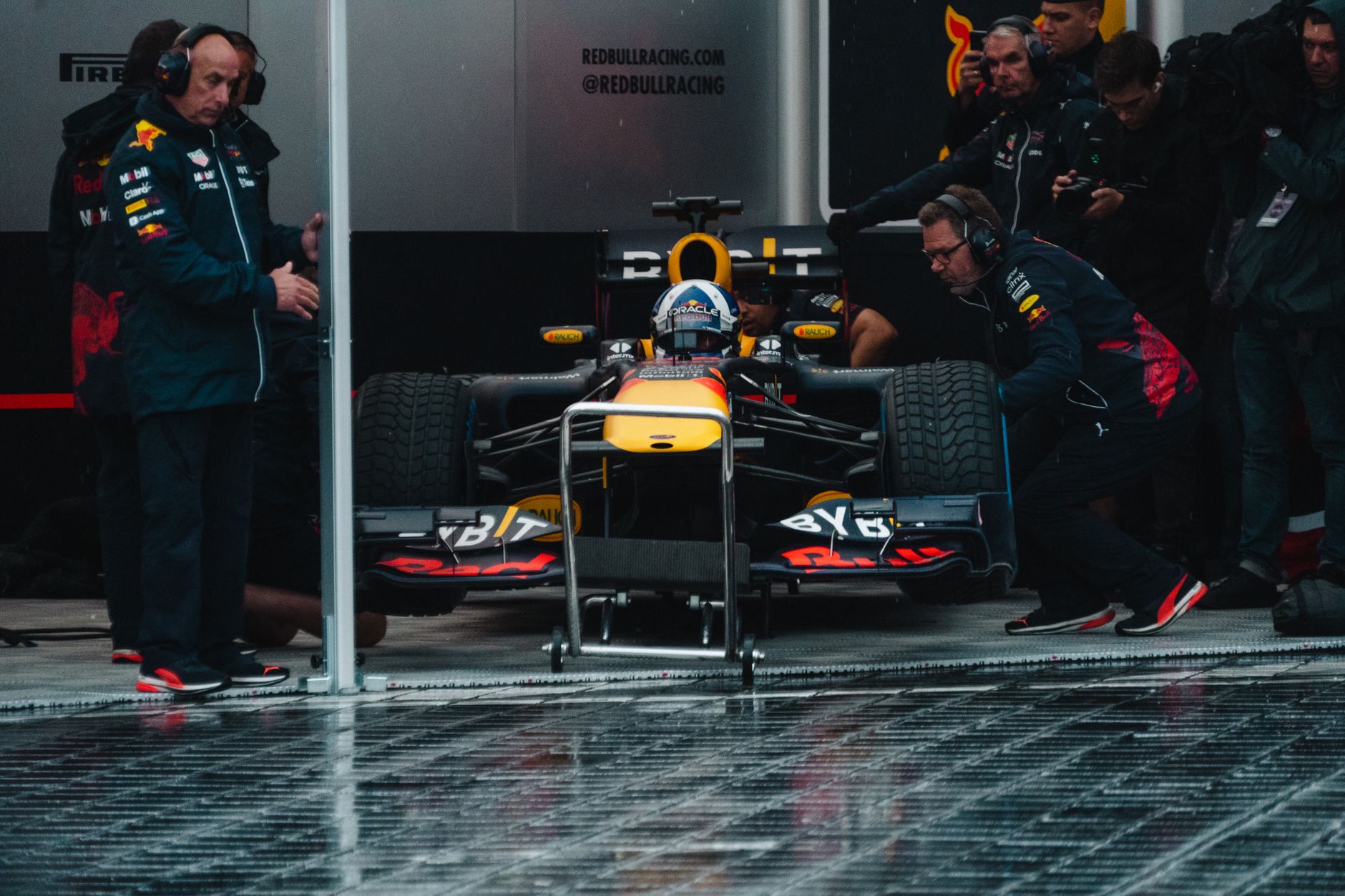
What makes this frustrating rather than just boring is that the technical ceiling of the cars is extraordinary. These are the fastest racing cars in history around a lap. But the operating window for the tyres punishes anyone who actually uses that speed in a sustained way. You cannot drive flat-out for more than a handful of laps before the fronts grain or the rears overheat, and once that happens you are managing a slow puncture rather than racing.
The argument that tyre management is itself a skill - and it is - only holds if it is the differentiating skill. When every team and every driver in the midfield is doing it equally well, it stops being a variable and becomes a constraint that flattens the racing. Verstappen winning from pole at a track where nobody can pass him is not a tyre strategy story. It is just a fast car with nothing to challenge it.
Pirelli will introduce new compounds in 2026 as part of the regulation overhaul. Whether they address this or simply shift the degradation window while keeping the same management-first philosophy remains to be seen. The hardware is changing. The thinking might not be.