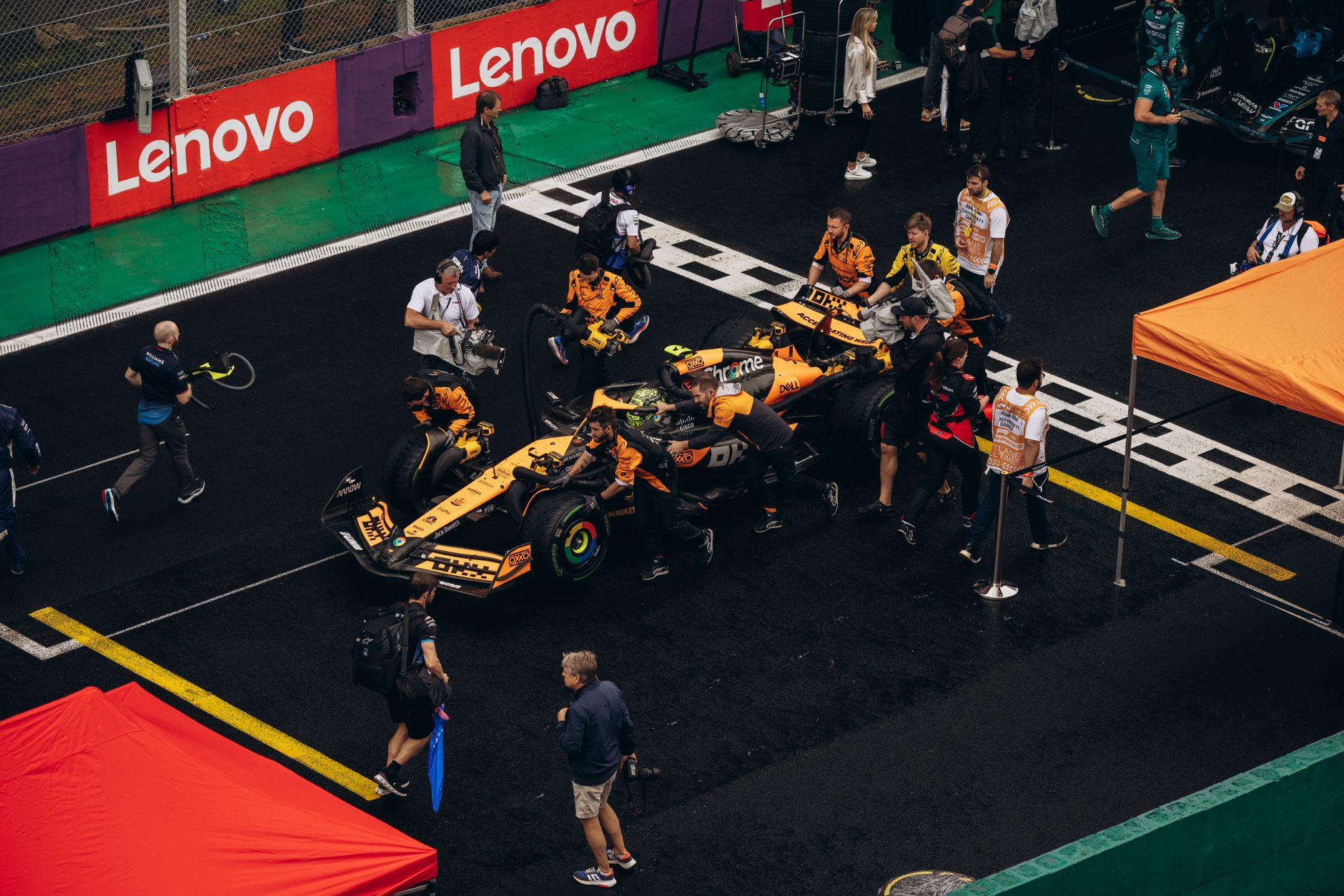
There’s a moment in almost every modern F1 race where the most talented driver on the grid is visibly sandbagging. Lift and coast through sector two. Back off on the straights. Nurse the rears through a long stint. The commentary team narrates it as though witnessing something impressive - ‘incredible tyre management from him today’ - and maybe it is impressive, in the way that parallel parking a lorry is impressive. You’re glad someone can do it. You don’t want to watch forty minutes of it.
Pirelli’s tyre compounds have been a structural feature of F1 for over a decade now, and the degradation model - designed to force strategic variation - has instead calcified into a single dominant meta: protect the tyre, extend the stint, hope the guy behind can’t close fast enough to make an undercut work. What was supposed to produce unpredictability has produced the opposite. Teams have solved the puzzle so thoroughly that most races converge on the same two or three-stop windows regardless of circuit characteristics.
The 2026 regulations brought new cars and a genuinely different power unit formula, but Pirelli’s compounds have evolved only at the margins. The fundamental problem - that the tyres reward conservation over aggression - remains untouched.
The Drivers Who Suffer Most
This isn’t evenly distributed. Drivers with an aggressive, high-load style - the kind that generates heat through fast corners rather than managing it - are structurally punished. You can see it in the way certain racers’ qualifying pace doesn’t translate to race pace, not because they’re suddenly slower, but because their natural inputs destroy the tyre window faster than the strategy can absorb.
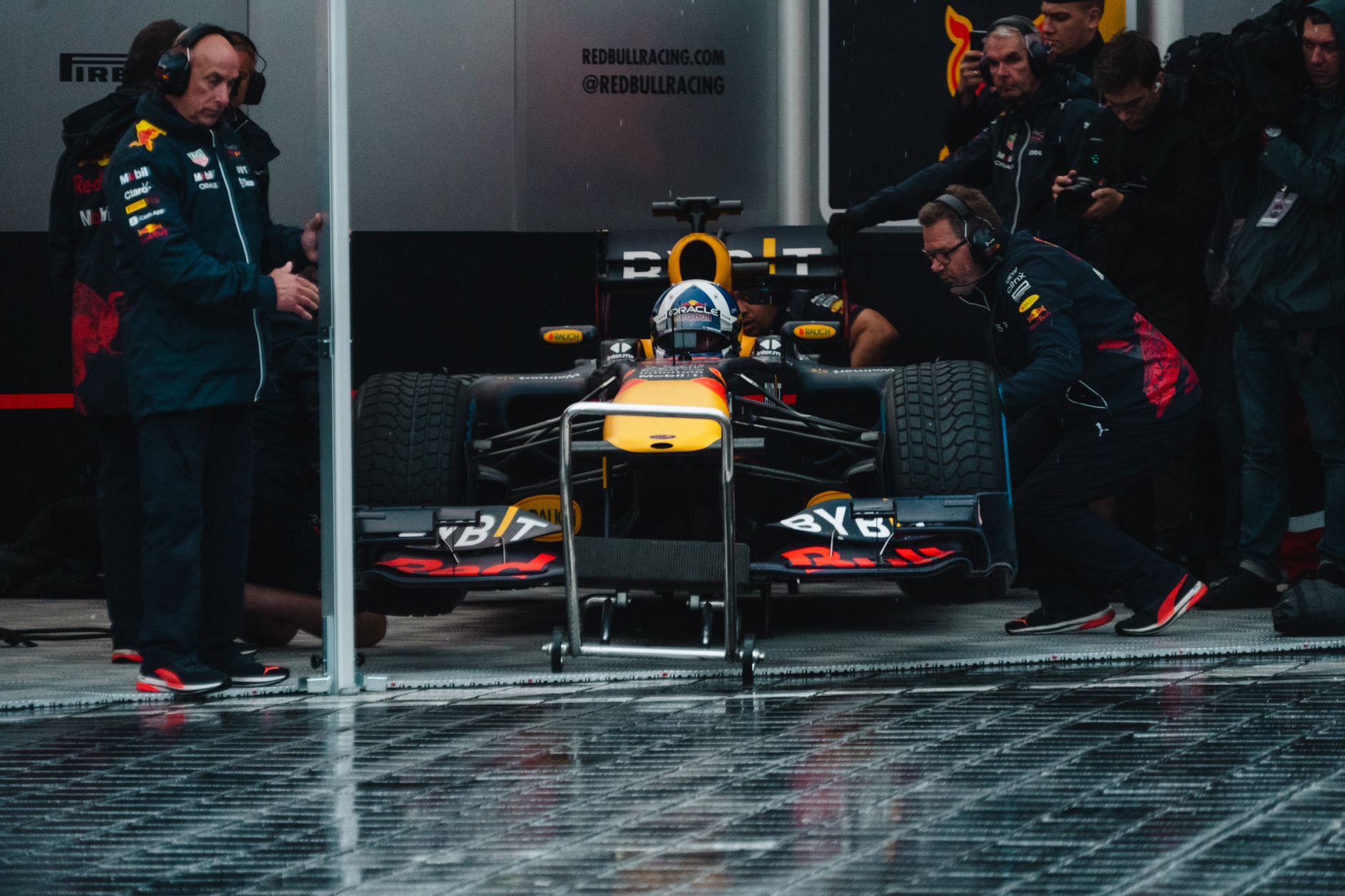
The drivers celebrated most for ‘race craft’ right now are often the ones who’ve most successfully suppressed their instincts. That’s a strange thing to optimise an entire sport around.
What Pirelli Actually Controls
Pirelli operates under a contract with the FIA and is asked to produce compounds that create a specific degradation window - they don’t design tyres to be fast, they design them to fall apart at a particular rate. That’s the brief. The result is a tyre that punishes commitment.
The teams have adapted completely. Race engineers now spend more time managing tyre temperatures mid-stint than plotting overtaking opportunities. The radio traffic tells you everything: it’s a conversation about preservation, not attack.
At some point, F1 has to decide whether ‘tyre management’ is a skill worth building the entire race product around. Right now, it’s making the best drivers look like they’re trying to lose slowly.