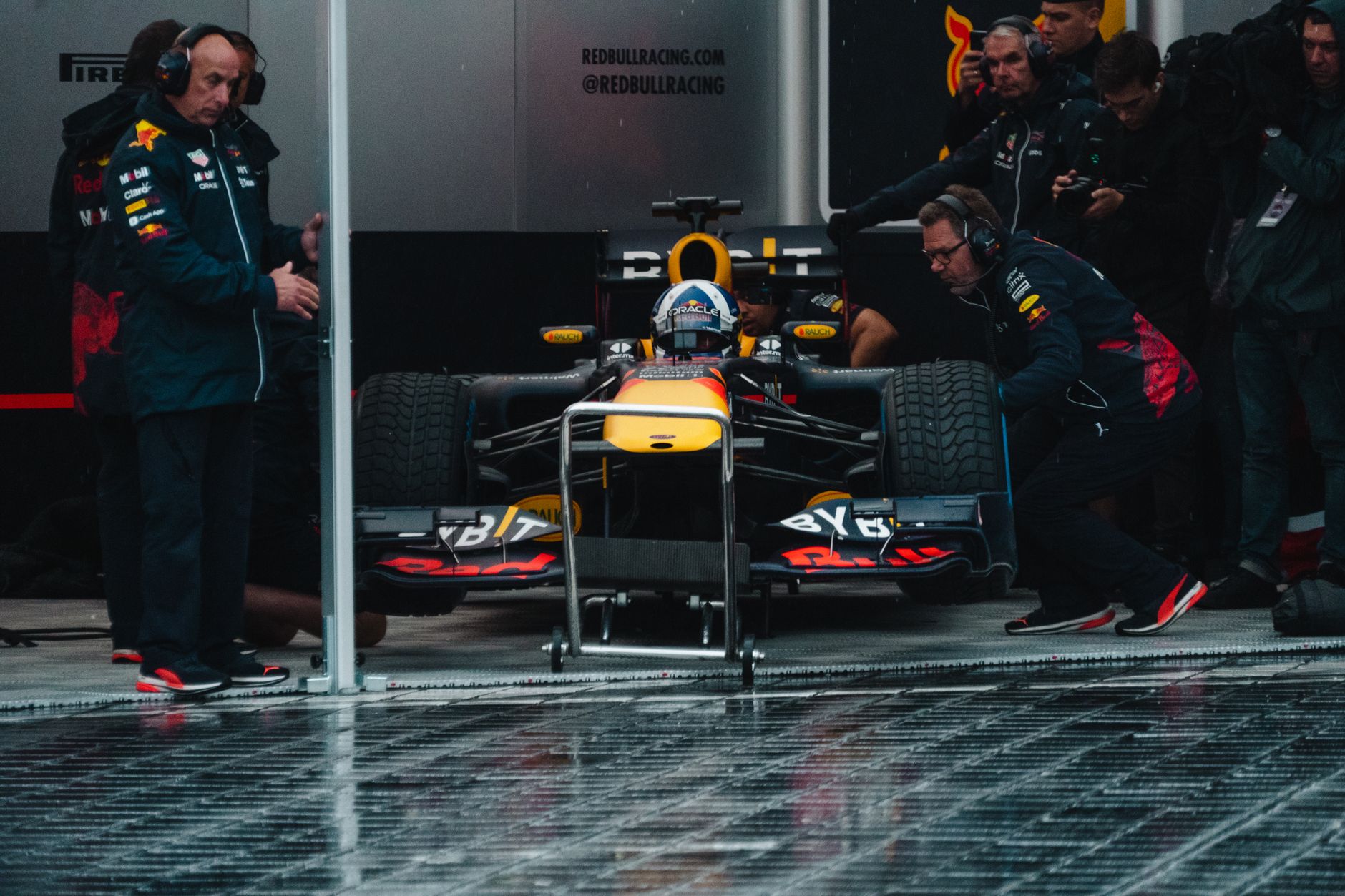
The promise of Pirelli’s degradation-focused tyre philosophy was always a little optimistic: force teams into multiple stops, create strategic variance, shake up the order. What it has actually produced, particularly over the last two seasons, is a grid full of drivers trained to manage pace so precisely that the racing itself disappears somewhere around lap eight and doesn’t return until the final ten.
This isn’t really a tyre problem. It’s a competence problem - specifically, teams have become too competent at working around the intended variables.
When engineers can model degradation curves to within fractions of a second per lap, and when drivers can adjust throttle application and braking points to match those curves in real time, the “unpredictability” Pirelli was supposed to inject becomes just another optimisation target. The chaos gets engineered out. What remains is a field of cars running at 87% to protect rubber while the commentators try to make lap times sound exciting.
The One-Stop Problem
The drift back toward one-stop races is the clearest symptom. At several circuits in 2025, teams that attempted a two-stop strategy lost track position to drivers who simply extended their first stint by managing temperatures. The math punished aggression. That’s a structural failure, not a tactical one - the track position premium has grown so large that even a tyre with measurably worse pace becomes the preferred choice if it means staying out front.
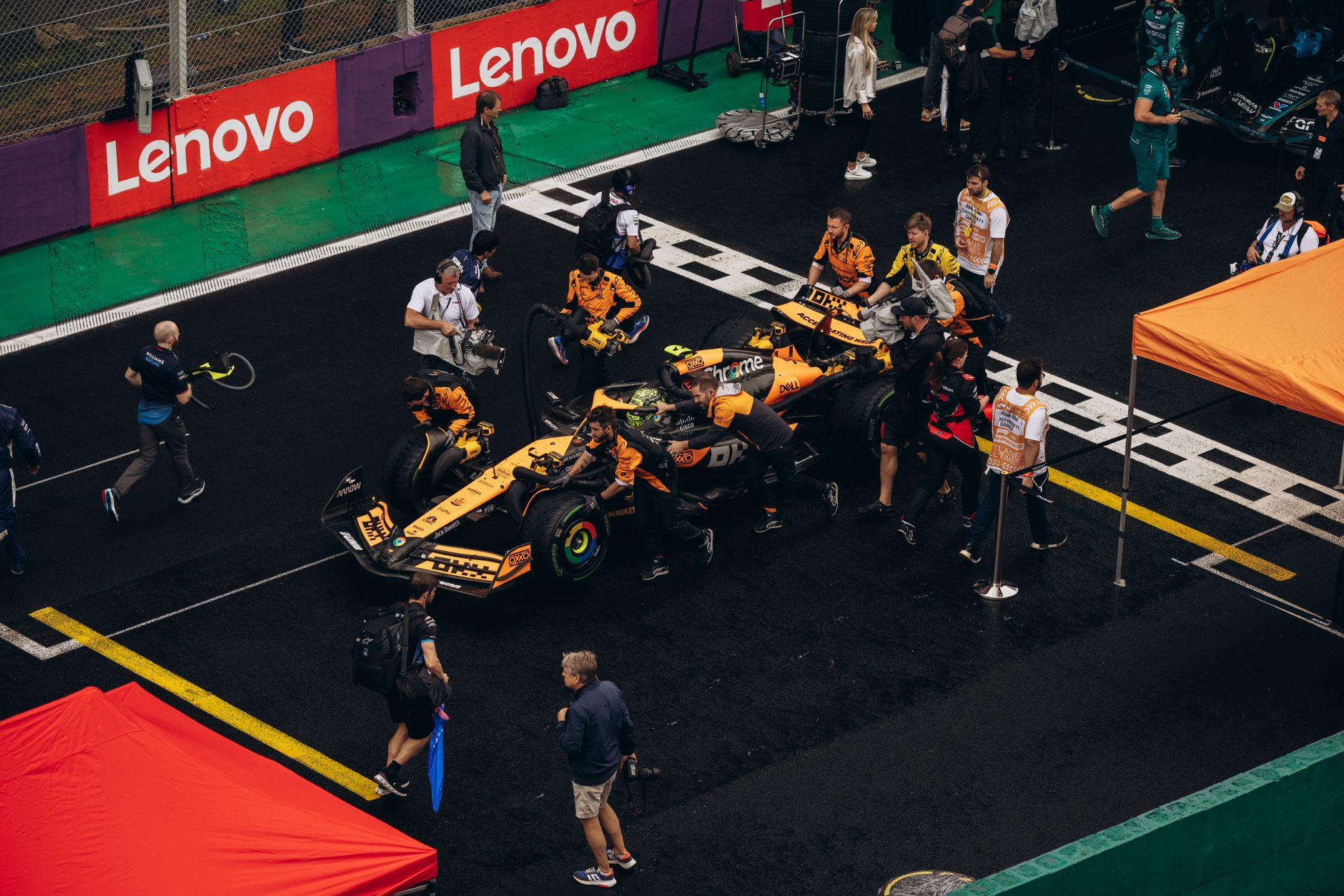
Pirelli has tweaked compounds repeatedly to address this, and the adjustments have helped at some tracks more than others. But the fundamental issue isn’t hardness or thermal range - it’s that teams now have enough data and driver training to neutralise almost any variable the compound introduces.
What Overtaking Actually Requires
DRS has been F1’s answer to this since 2011, and it’s a bad one. An overtake that requires a moveable wing and a straight is not really an overtake - it’s a pass, which is a different thing. Real overtaking comes from a car genuinely faster through all phases of a corner, which is only possible when the car behind has significantly fresher rubber. That window exists. Teams have just gotten very good at closing it before anyone can exploit it.
The regulation changes targeting ground effect aerodynamics were supposed to make following easier, and by some measures they have. But closer following without tyre delta still produces trains, not battles.
Whether the 2026 regulation cycle - with its revised power unit architecture and further aerodynamic changes - actually disrupts this equilibrium is genuinely unclear. Teams adapt faster than regulators predict, and there’s little reason to assume the optimization instinct that hollowed out tyre strategy won’t eventually do the same to whatever new variables the rules introduce.