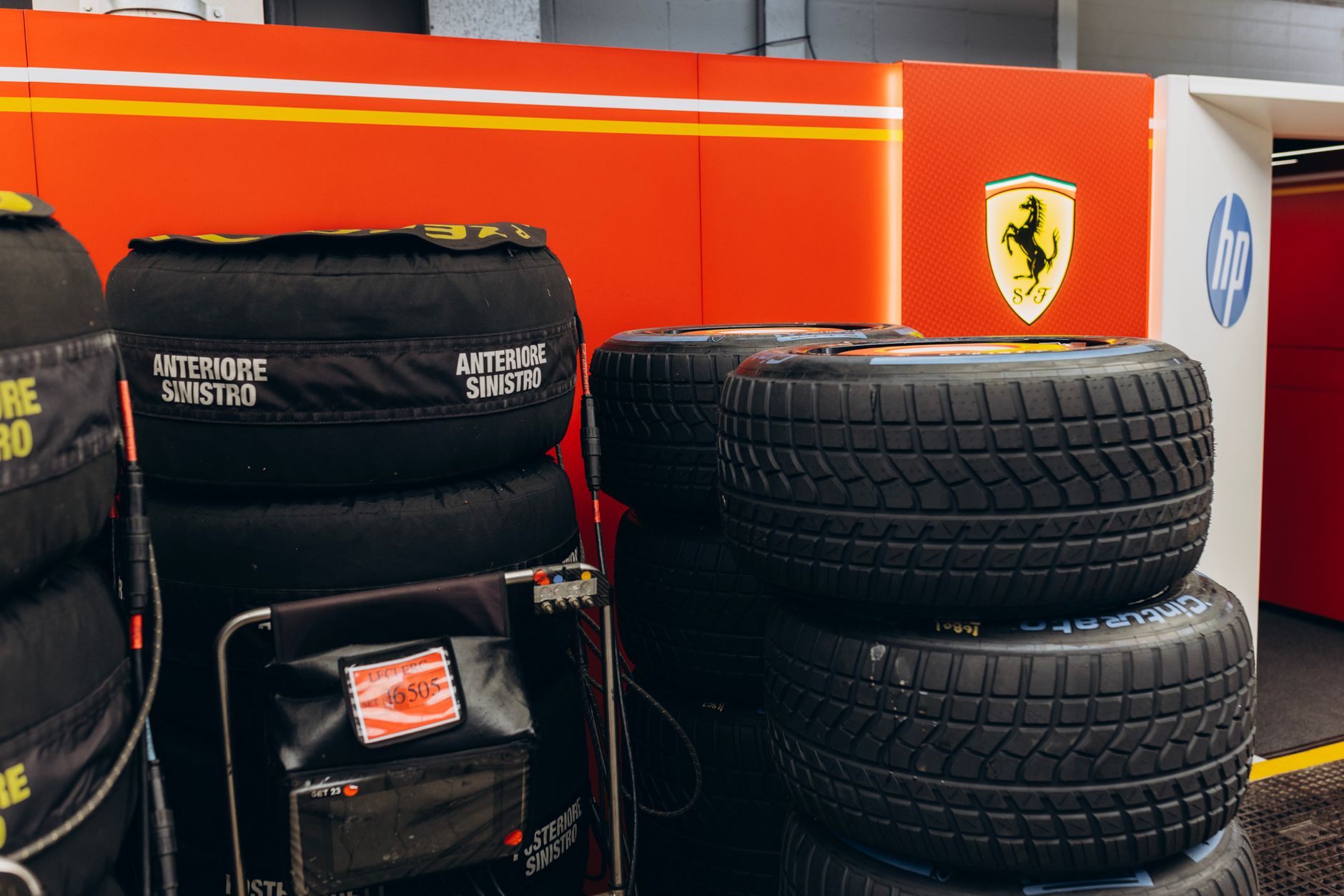
There is a moment in almost every modern F1 race - usually somewhere between lap 18 and lap 28 - where the television director cuts to an onboard and you watch a driver who is capable of lapping three seconds faster than anyone else on the grid, potter around the circuit like he’s trying not to spill his coffee. This is not a bug. Teams are explicitly instructing their drivers to do this. And the sport has quietly accepted it as normal.
Pirelli’s mandate to produce tyres that degrade - intentionally, structurally - was always a compromise between entertainment and engineering. The theory was that degradation would create strategy variation, which would create overtaking, which would create racing. What it actually created was a new meta-skill that has almost nothing to do with driving fast: the ability to manage tyre temperature across a stint window without losing more than a certain delta per lap.
The drivers who have thrived in this era are not always the fastest. They are the most precise. Lewis Hamilton built a second career on it. George Russell talks about it constantly in radio messages. Carlos Sainz has made an entire reputation out of being able to nurse a medium compound forty laps when the car underneath him doesn’t deserve forty laps of medium compound.
None of that is racing. It’s thermal management with a steering wheel.
The Teams Have Optimised Their Way Out of a Sport
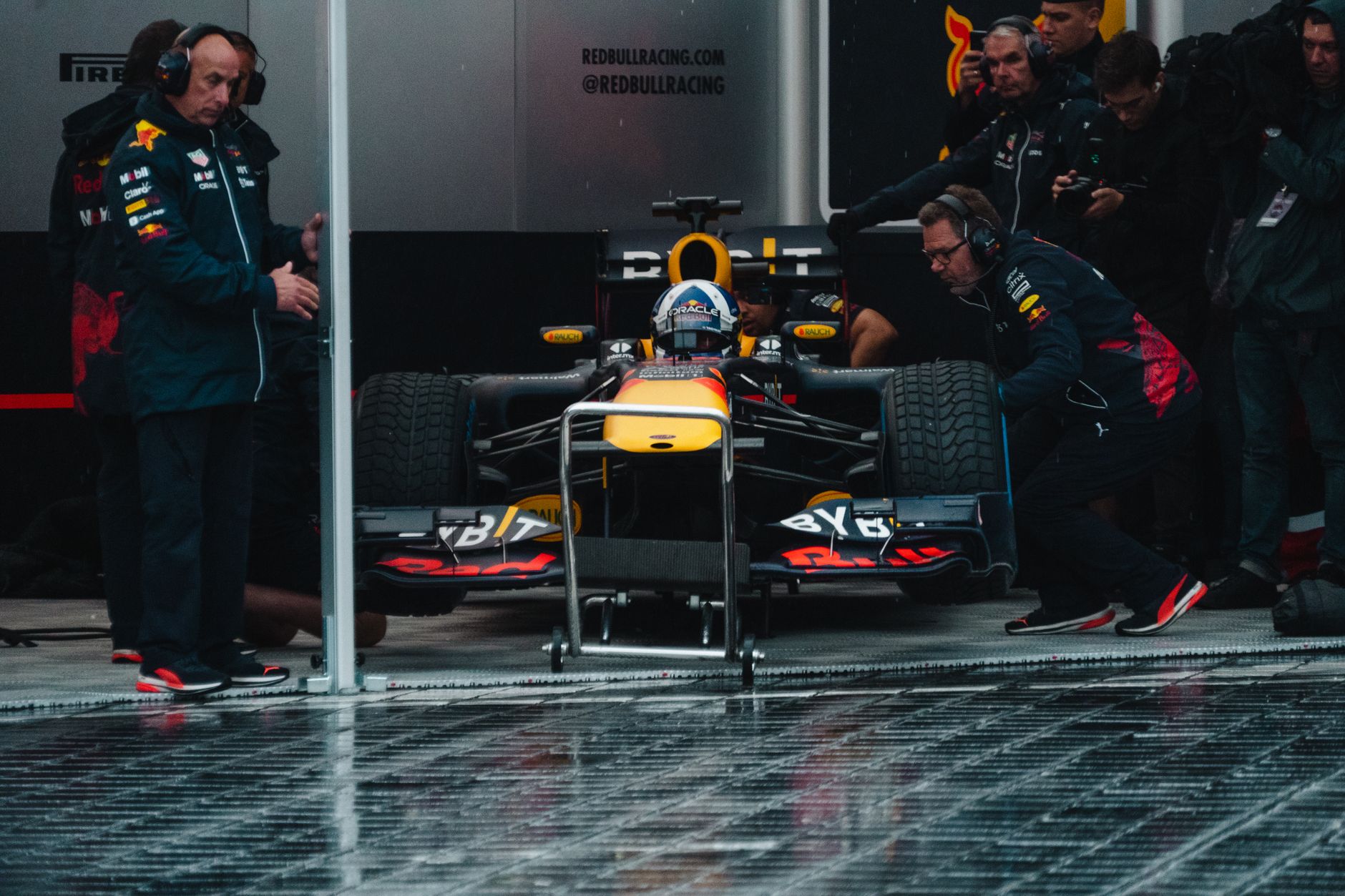
What’s happened since roughly 2022 - with the ground-effect regulations bringing cars closer together in raw pace - is that tyre management has become even more decisive, not less. Because the cars are more similar, the strategic differentiator has shifted almost entirely to degradation rates. Qualifying pace matters less than it did. Race pace matters less than your engineer’s model of when your tyres will fall off the cliff.
The result is that the best overtaking move a driver can make is often not actually passing anyone. It’s staying out two laps longer than the car ahead, doing a box, and emerging ahead on fresh rubber. That’s not a pass. That’s an administrative transaction.
One Inconvenient Truth
Pirelli cannot make tyres that are both durable enough to last a race distance and degradable enough to create strategy. They have known this since 2013. Every season the brief shifts slightly, and every season the same fundamental tension resurfaces.
The 2026 regulation changes - new power units, revised aerodynamic philosophy - will reshuffle the order. They will not fix this. The tyre management problem is not a regulation problem. It’s a choice the sport keeps making about what it wants F1 to look like, and then declining to defend in public.