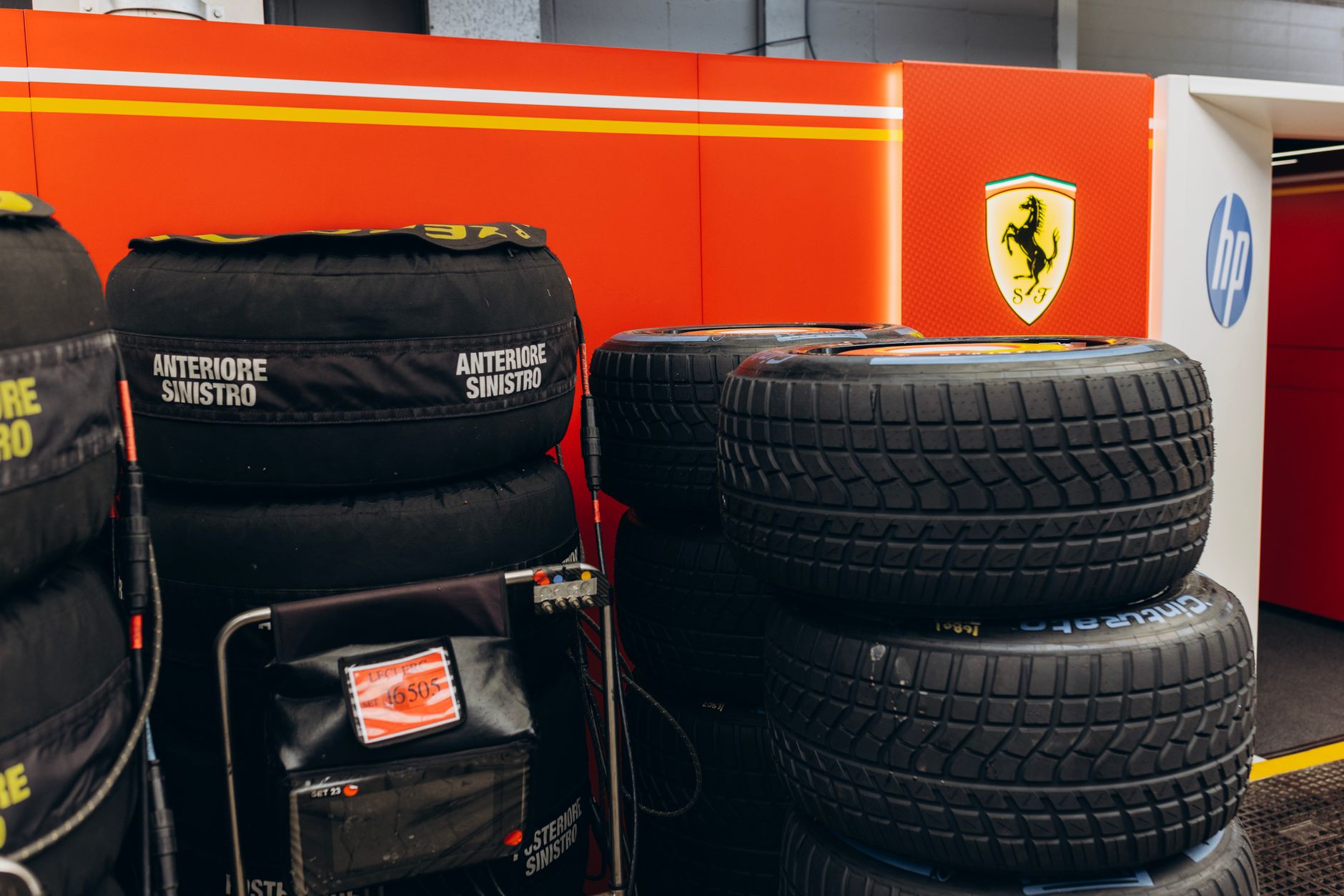
The assumption baked into most F1 strategy discussions is that managing tyres means conserving them - backing off, running longer, protecting the fronts through high-speed corners. What rarely gets examined is how teams have quietly shifted from managing degradation to managing the perception of degradation, and those aren’t the same thing.
Pirelli’s compounds since the 2022 regulation overhaul have been stiffer and more durable by design, partly to cope with the increased downforce loads from ground-effect cars. The unintended consequence is that the degradation cliff - the dramatic, sudden drop-off that used to define the strategic picture - has flattened. Tyres now degrade more linearly. That sounds like progress, but it has turned races into fuel-saving exercises with rubber as the excuse.
What teams are actually doing in many races is not protecting the tyre from structural failure. They’re managing temperature windows - keeping compounds in a narrow operating range that prevents graining from developing on the opening laps. Graining, once it sets in, costs lap time but rarely causes a sudden strategic collapse. It’s manageable. Teams treat it as a catastrophe anyway, which justifies early pits, which compresses the race into a largely processional single-stop.
The Dirty Air Problem Nobody Blames
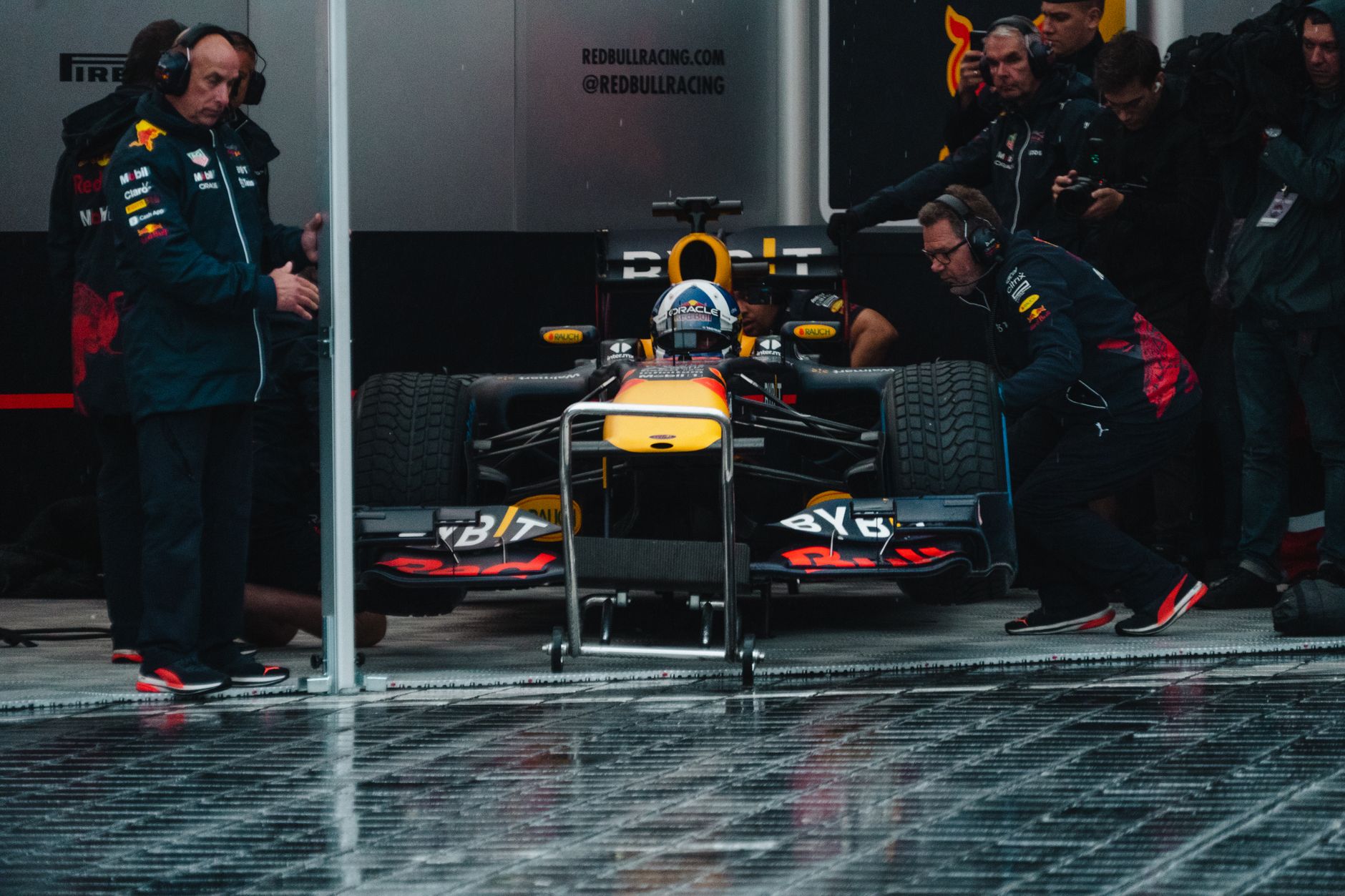
Here’s what gets underweighted in this conversation: the cars that suffer worst for tyre degradation are almost always the ones running in traffic. Dirty air from the car ahead raises front-wing temperatures, disrupts aero balance, and forces drivers to push harder to maintain gap - all of which compounds tyre wear at the front axle. So when a midfield team reports unexpected front-left degradation and calls an early stop, they’re not describing a tyre compound problem. They’re describing a racing position problem.
That distinction matters because the proposed fixes are usually aimed at the wrong target. Calls for softer compounds, or for Pirelli to bring more aggressive constructions to circuits where overtaking is already scarce, miss the point entirely. The tyre is doing exactly what it’s supposed to do. The issue is that following another car closely for more than eight to ten laps remains genuinely expensive, and no amount of tyre reformulation will change that while the aerodynamic architecture stays as it is.
The Short Version
Pirelli gets blamed for boring races. Pirelli is not making boring races. Ground-effect aerodynamics are making boring races, and tyres are the variable teams use to explain what’s actually a fundamental gap in wheel-to-wheel capability.
Whether that changes under the 2026 regulations - with simplified aero and new power unit architecture - is genuinely unclear. The early simulations suggest closer racing, but F1 has promised that before.