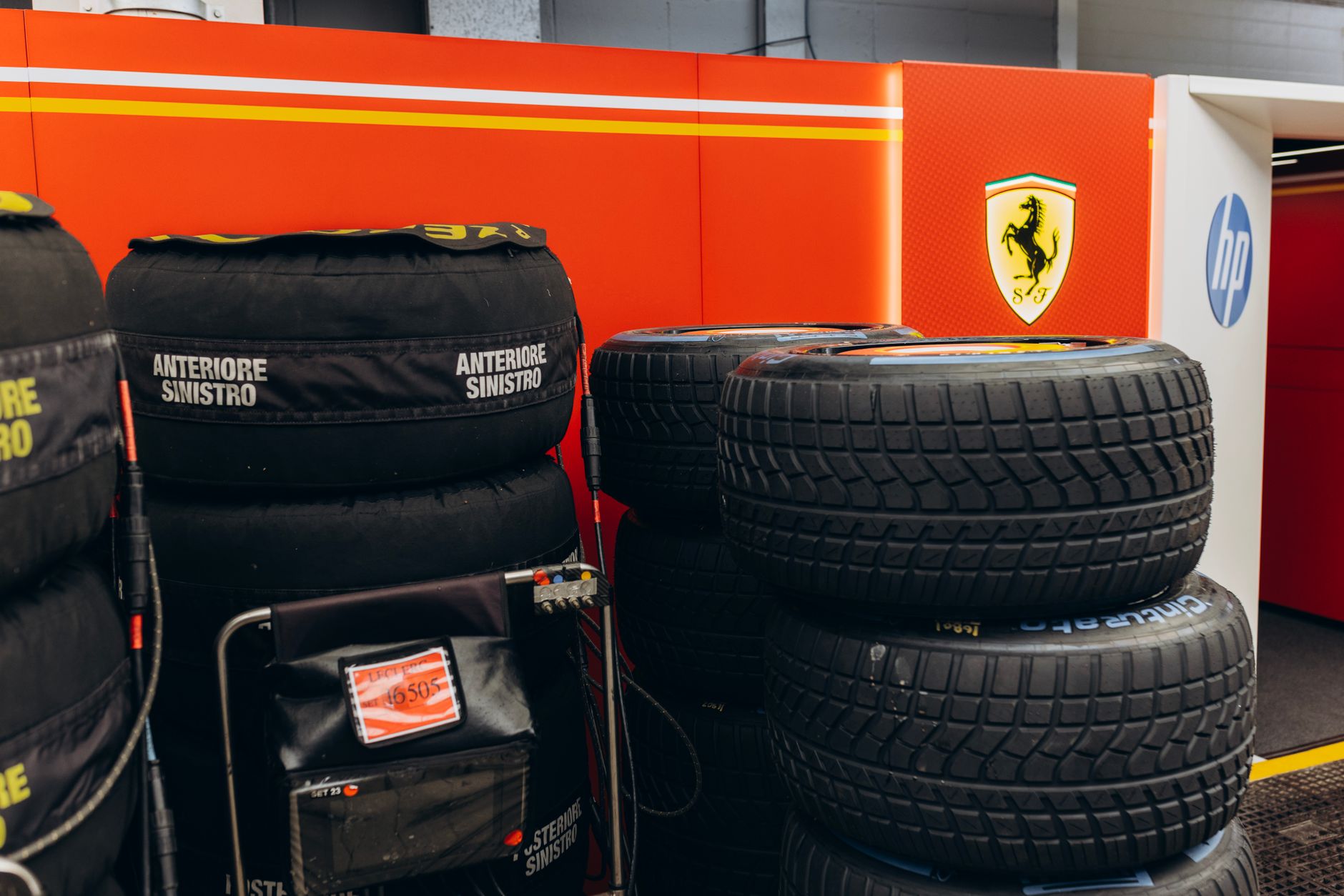
The nomenclature has been the same for years. Soft. Medium. Hard. Pirelli picks three compounds from their range, labels them accordingly, and the broadcast graphics dutifully colour-code them red, yellow, and white. Clean. Simple. Almost entirely misleading.
The problem is that ‘soft’ at Monza and ‘soft’ at Monaco are not the same tyre. Pirelli’s compound range runs from C0 to C5, and what gets nominated for any given weekend depends on the circuit’s demands - surface abrasion, corner speeds, load cycles. The hardest compound nominated for a street circuit might be nominally softer than the softest compound nominated for a high-speed venue. Drivers and engineers obviously know this. But the naming convention papers over it entirely, which matters when the entire sport communicates strategy to a global audience using those three words as shorthand.
This isn’t a trivial branding complaint. It affects how strategy is discussed, predicted, and understood. Pundits talk about ‘the soft being too aggressive’ without specifying which compound C-rating is actually in play. Fans and analysts trying to model stint lengths across different events are comparing essentially incomparable data unless they go digging through Pirelli’s technical documents to find the actual compound selection. That’s a significant translation tax on anyone trying to follow the strategy layer seriously.
What Teams Are Actually Working With
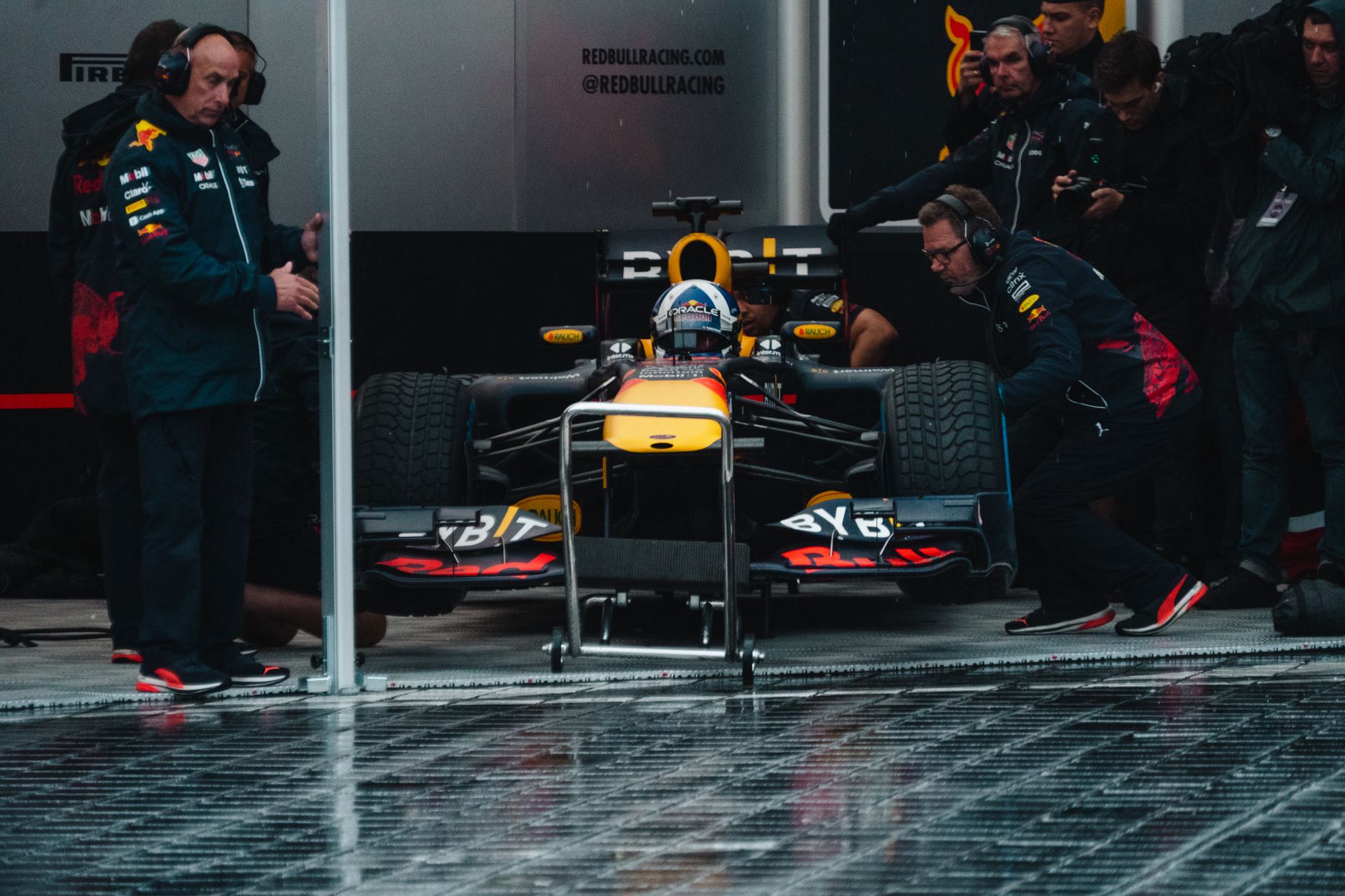
From the teams’ side, the compound identity is known - they work off the C-numbers internally, not the colour labels. So the confusion isn’t operational. Ferrari’s strategy desk isn’t calling the soft ‘the soft’; they’re talking specific compound behaviour, degradation curves, thermal windows. The simplified naming is purely an external-facing construct, which makes it stranger that it’s been left unchallenged for this long.
Pirelli has adjusted compounds numerous times since their return to F1 in 2011, and the C-rating system exists precisely because the old hard/medium/soft framing couldn’t accommodate the range. They’ve built the right internal language and then refused to use it publicly.
The Actual Fix Is Simple
Just use the C-numbers on screen. C3, C4, C5 alongside the colour coding. That’s it. No overhaul required.
Whether the sport has any appetite for even that minor a change is another question - F1’s relationship with clarity tends to be complicated by whoever benefits most from the current ambiguity.