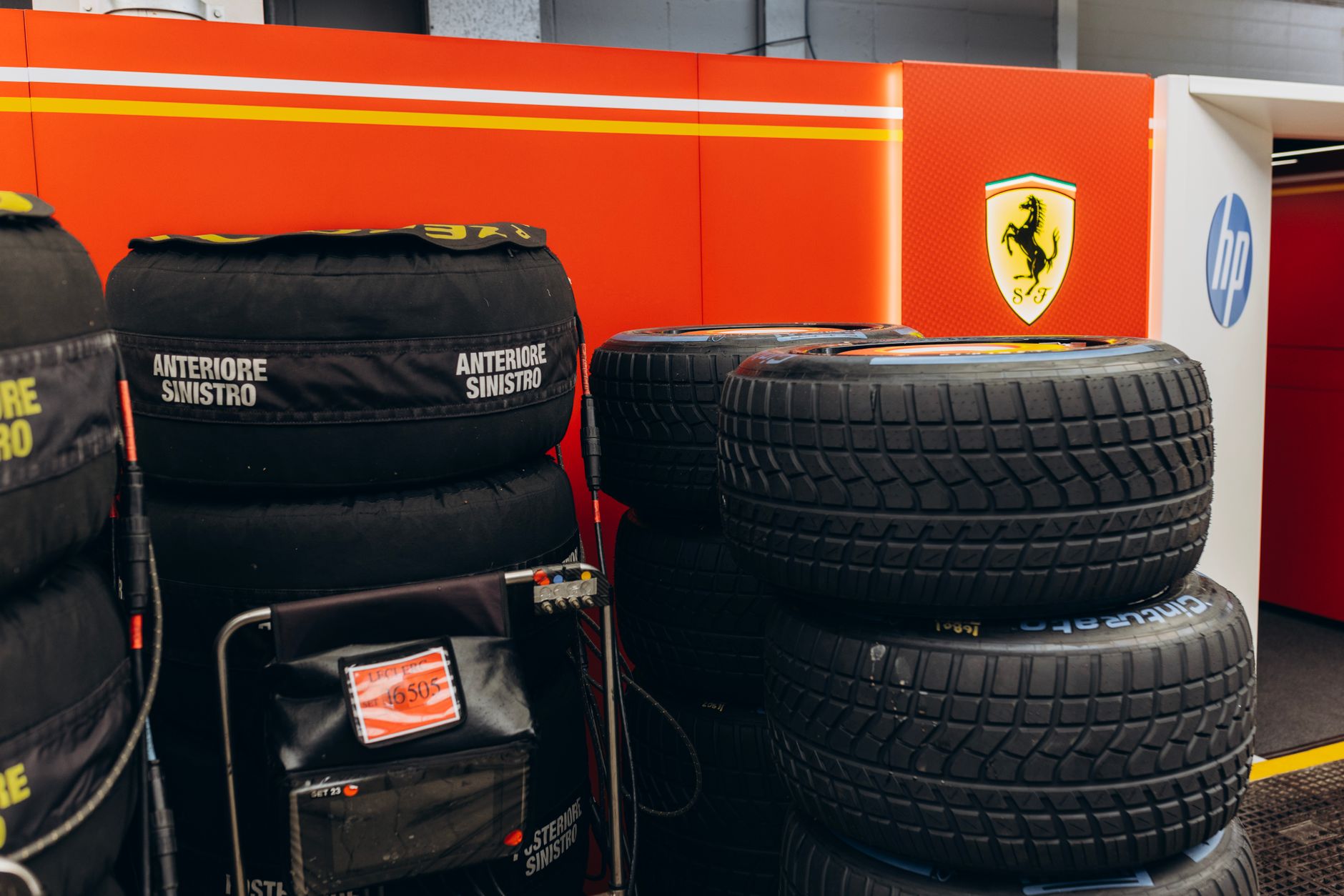
Pirelli still ships three dry-weather compounds to every Grand Prix weekend - hard, medium, soft - and teams are still required to use at least two of them during the race. The rule exists to encourage strategic variety. What it actually produces, increasingly, is a predetermined script where the medium and hard are window dressing and the soft dictates everything.
The problem isn’t the compounds themselves. Pirelli has actually done reasonable work narrowing the performance delta between adjacent compounds over the past few seasons. The issue is that the mandatory two-compound rule was designed for an era when tyre degradation genuinely split the field into different strategic groups. Back when deg was punishing and unpredictable - think the Bridgestone-Michelin years, or even the early Pirelli era post-2011 - a driver on a three-stop strategy was racing a fundamentally different race to someone stretching to two. Gaps opened. Strategy became a second contest layered inside the first.
Now, with thermal management deeply embedded in how drivers are coached and how cars are set up, most circuits converge on a single viable strategy within the first fifteen laps. The hard tyre gets bolted on to satisfy the regulation, driven to the flag at a pace that doesn’t particularly stress it, and everyone moves on. You can watch a full race weekend and come away with no meaningful information about whether the hard compound was actually faster or slower than the medium across a given stint, because nobody pushed it hard enough to find out.
What the regulation is actually protecting
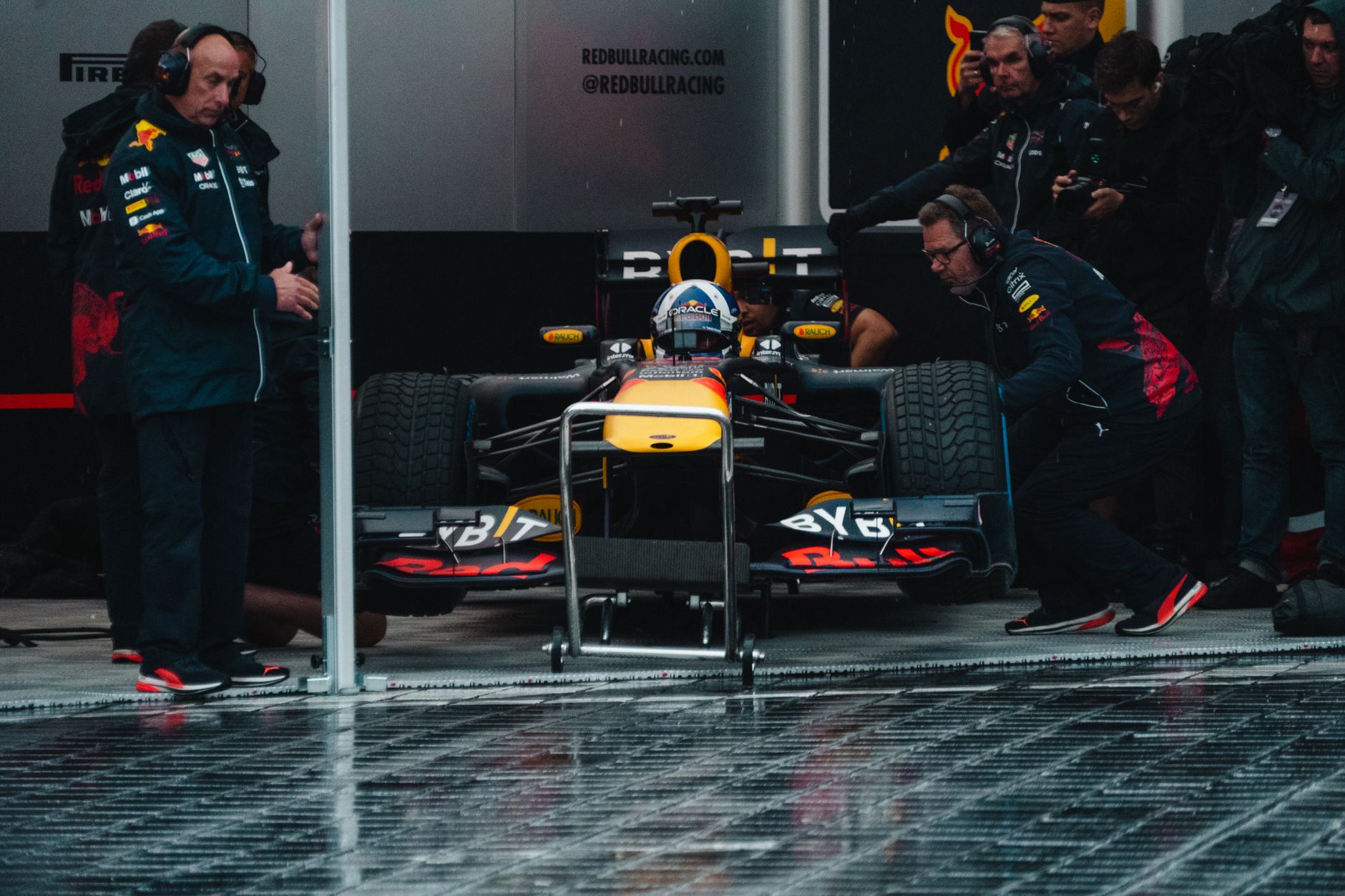
The cynic’s read is that the two-compound rule persists partly because removing it would invite uncomfortable questions about what Pirelli’s job actually is if teams can just run the same tyre from lights to flag. There’s a contractual and commercial dimension to Pirelli’s role that includes being seen to matter strategically, not just mechanically.
That’s an ungenerous framing, but it’s not an unfair one.
The alternative nobody wants to say out loud
A harder mandatory compound spread - forcing teams to use the hard and the soft, with no medium option - would at least guarantee a real performance cliff somewhere in the race. It would be artificial, yes, but the current system is already artificial. It’s just artificial in a way that produces less racing.
Whether that’s a trade F1’s regulators are willing to make depends on how honestly they’re willing to assess what the tyre rules are currently delivering - which, most weekends, is a warm sense of strategic complexity without much of the substance.