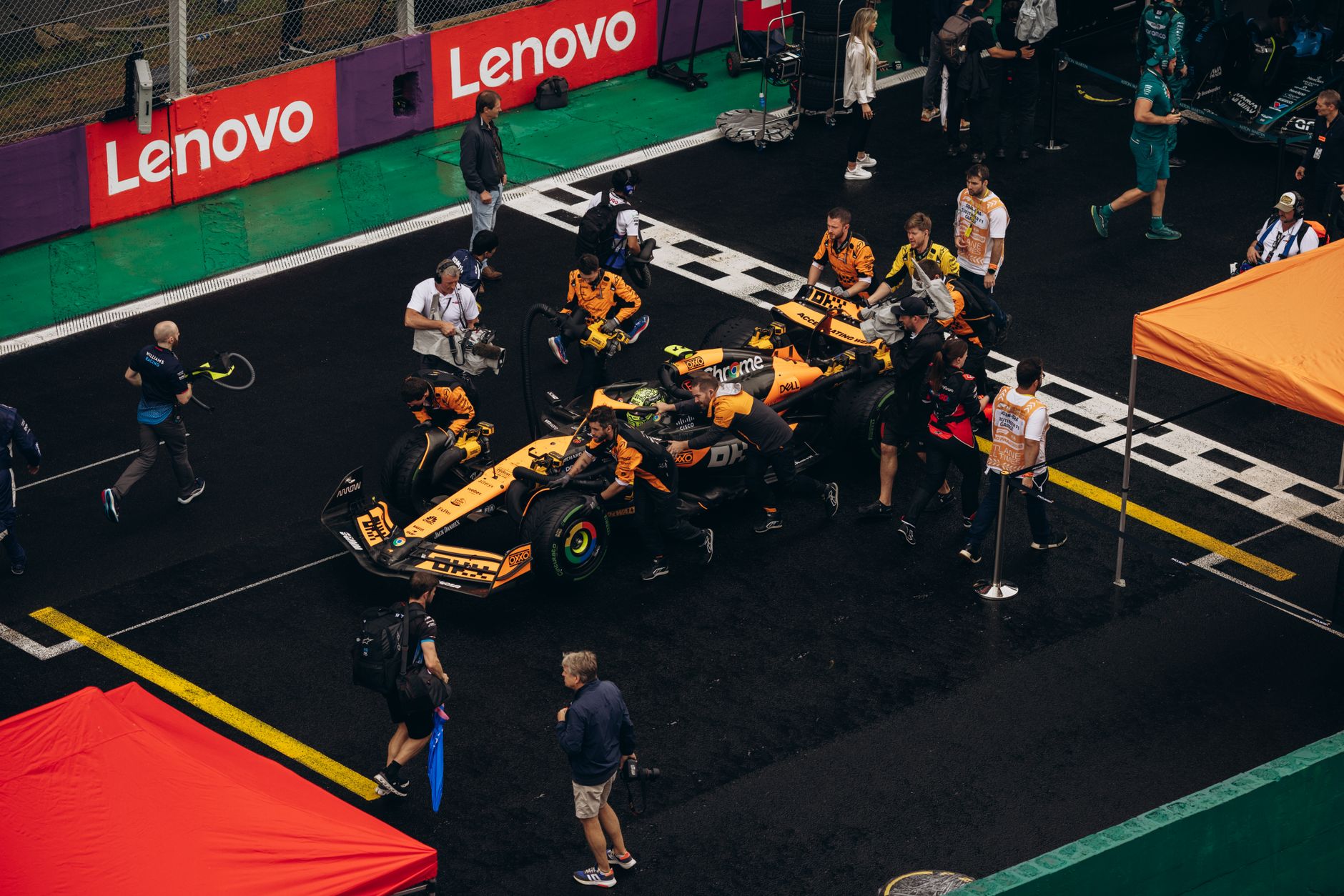
The Sprint weekend format has now been running long enough that we can stop pretending the teething problems are temporary. They are the format.
When F1 introduced Sprint events - initially trialled in 2021 and expanded across subsequent seasons - the stated logic was reasonable on its face: give fans more competitive action across the weekend, reduce dead air on Fridays, and create additional jeopardy before the main race. What actually happened is that Saturday qualifying, historically the most concentrated hour of tension in the entire sport, got pushed to Friday evening and stripped of the context that made it matter.
Qualifying for a Grand Prix used to land the night before the race. Drivers were carrying real risk into Q3 - a crash meant starting from the back on Sunday, full stop. That stakes structure shaped how aggressively they pushed. Now, on Sprint weekends, Sprint Qualifying happens Friday, the Sprint itself runs Saturday morning, and Grand Prix qualifying gets sandwiched in on Saturday afternoon. The sessions blur into each other. The jeopardy gets diluted across too many formats in too short a window.
The Audience Problem Nobody Is Measuring
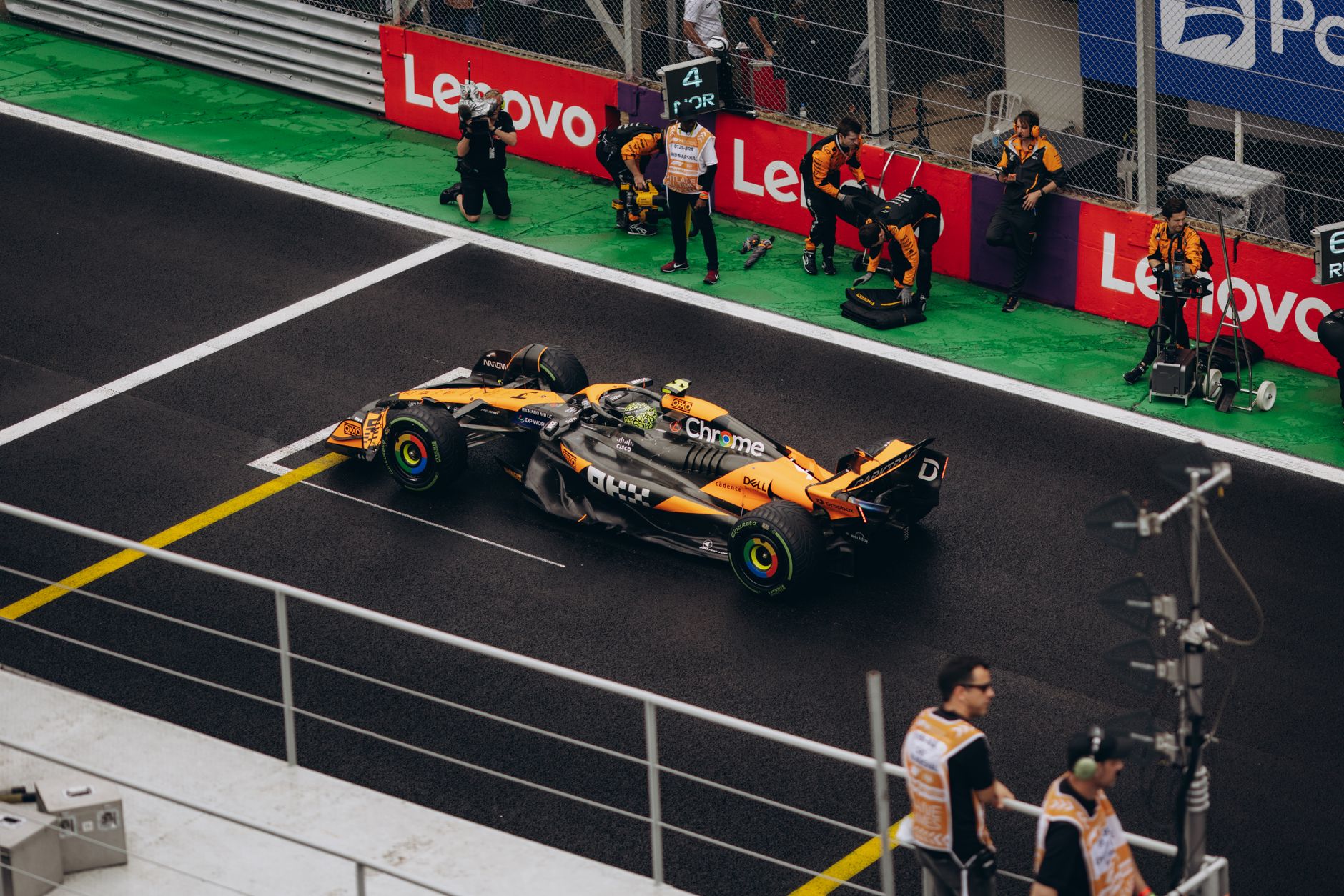
There’s an assumption baked into the Sprint expansion - that more track action equals more engagement. That’s probably true for casual viewers dipping in and out across the weekend. It’s less obviously true for the audience that actually understands what they’re watching. For those fans, the Sprint race occupies an awkward middle ground: too short to allow genuine strategy, too consequential to be dismissed as a qualifying session. It rewards the fastest car more heavily than any other session type, which means it tends to confirm the existing order rather than disrupt it.
The 2024 season featured six Sprint events. Several of them produced the same top three as that weekend’s main race. That’s not added drama - it’s a preview.
What It Actually Does Well
The Sprint format is genuinely useful for one thing: it gives lower-midfield teams a points opportunity they would otherwise never see. A driver who qualifies eighth and finishes sixth in a Sprint collects points their car pace doesn’t normally earn on a Sunday. That’s real.
But that’s a narrow benefit being used to justify a calendar presence that is reshaping the entire weekend structure around it. The cure is bigger than the ailment, and F1 seems committed to not noticing.