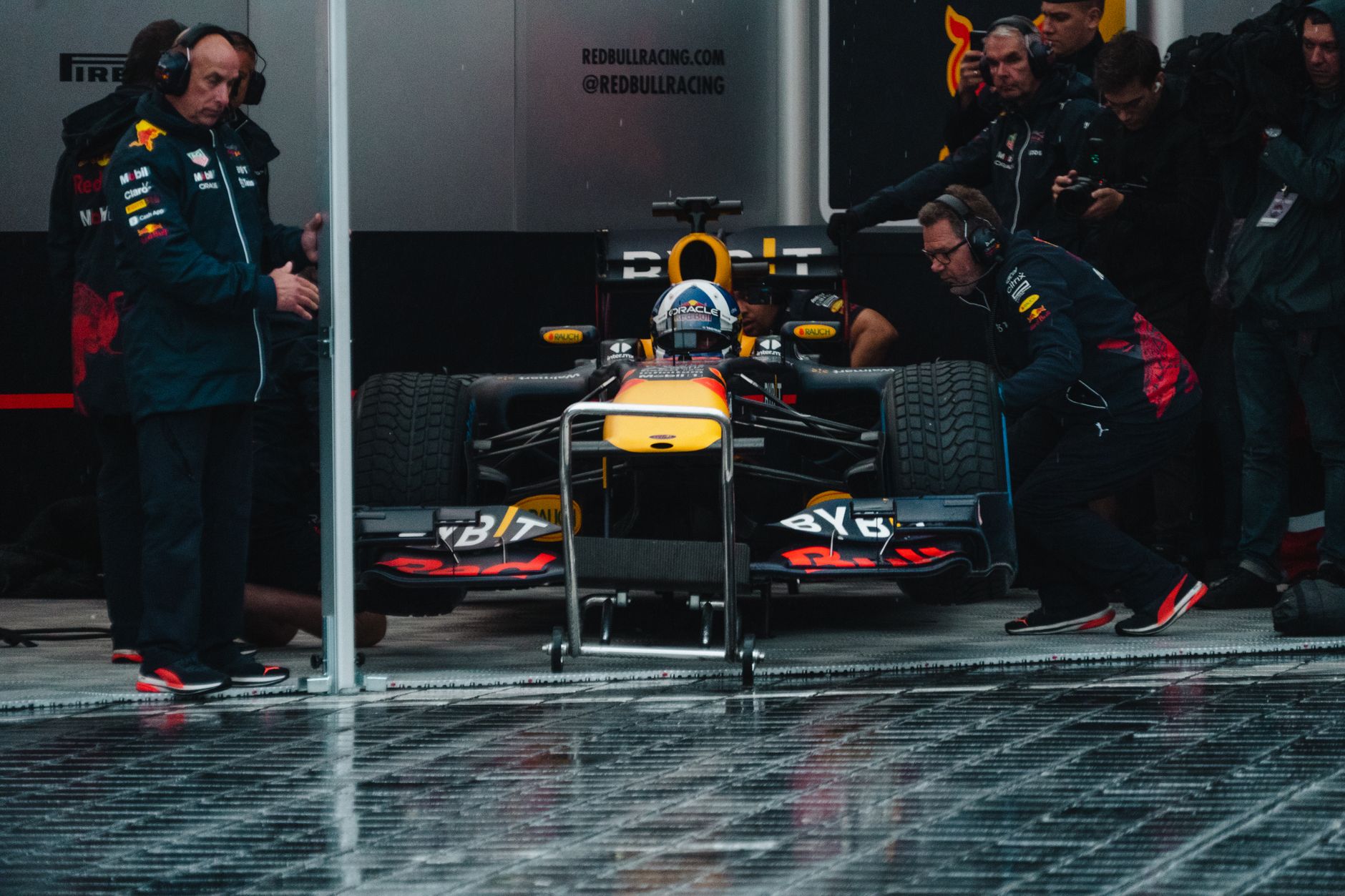
The Sprint weekend was supposed to inject unpredictability into Formula 1. More action, more jeopardy, more reasons to tune in across the whole weekend. What it actually produced is a format where teams spend Friday in a blind panic, qualifying happens twice in 24 hours, and the Sprint race itself is typically a 30-minute procession that settles nothing of consequence.
The core problem is that the Sprint doesn’t carry enough weight to force real risk-taking, but it carries just enough to discourage it. Teams aren’t going to gamble on a strategy that might damage a car or use up tyres they need for Sunday. So drivers circulate in position order, collect their marginal points, and everyone moves on. The supposed ‘wildcard’ element of the format exists mainly in the press releases issued before the weekend begins.
What the format did successfully disrupt was free practice - and not in a good way. Condensing setup work into a single practice session before Sprint Qualifying meant that teams with more computational resource and historical data at a given track simply extended their advantage. It didn’t level the field. It tilted it further toward the teams who could afford to simulate their way through a session they never had to run.
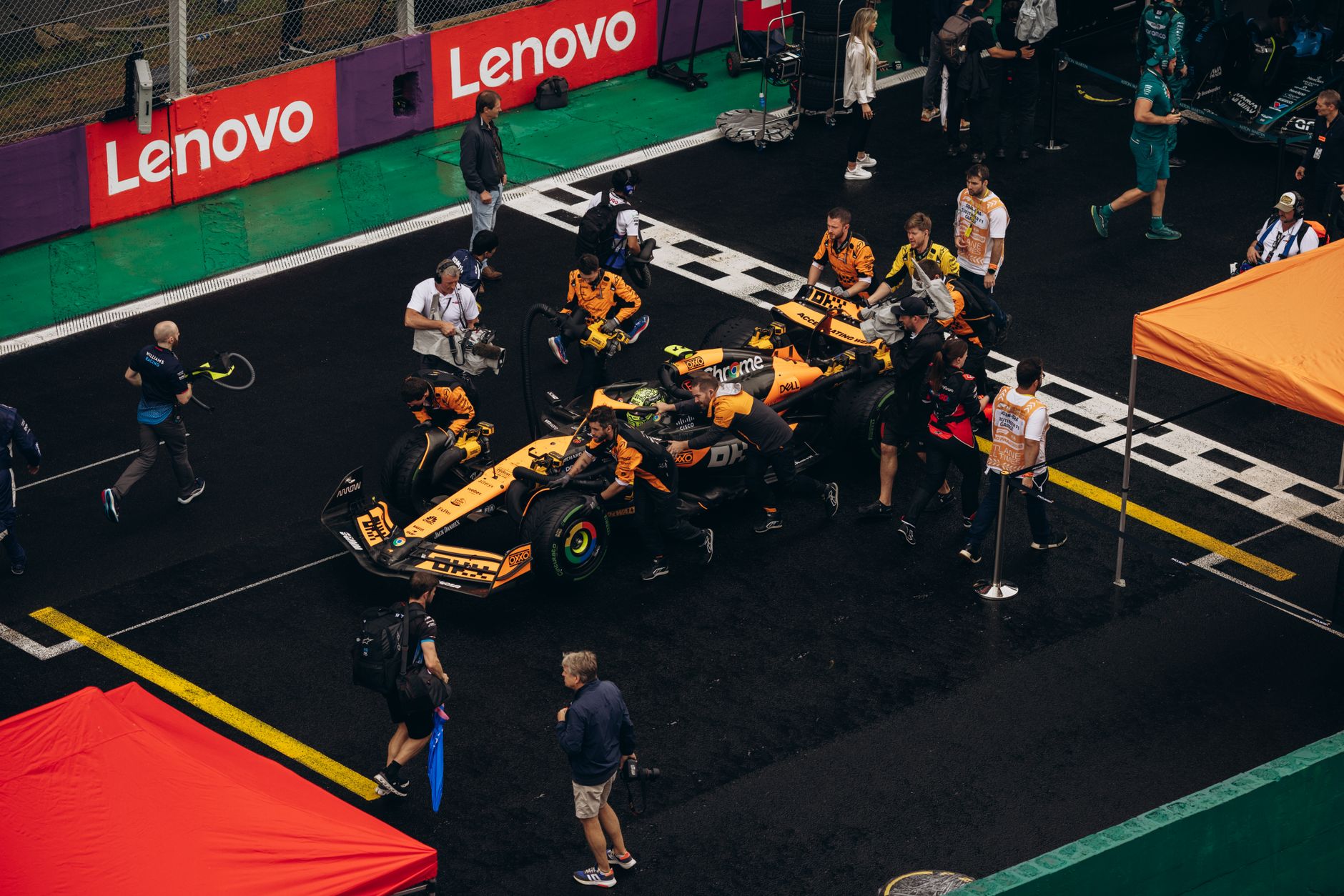
There’s also an aesthetic cost that rarely gets discussed. A traditional Grand Prix weekend had a rhythm. Friday was exploratory, Saturday built tension through qualifying, Sunday was the main event. The Sprint format scrambles that sequence without replacing it with anything coherent. You get Sprint Qualifying, then a Sprint, then more qualifying, then a race - a structure that feels like a scheduling algorithm designed it rather than anyone who has actually watched motorsport.
The FIA and Liberty Media point to viewership numbers around Sprint events as validation. But correlation between calendar placement - Sprints tend to appear at high-profile venues like Silverstone, Interlagos, and Austin - and audience figures isn’t the same as the format itself driving interest.
The irony is that the one thing F1 genuinely needed to fix heading into the mid-2020s was race-day overtaking. The Sprint does nothing about that. It just gives commentators something to talk about on Saturday afternoon while the actual structural problem sits untouched.