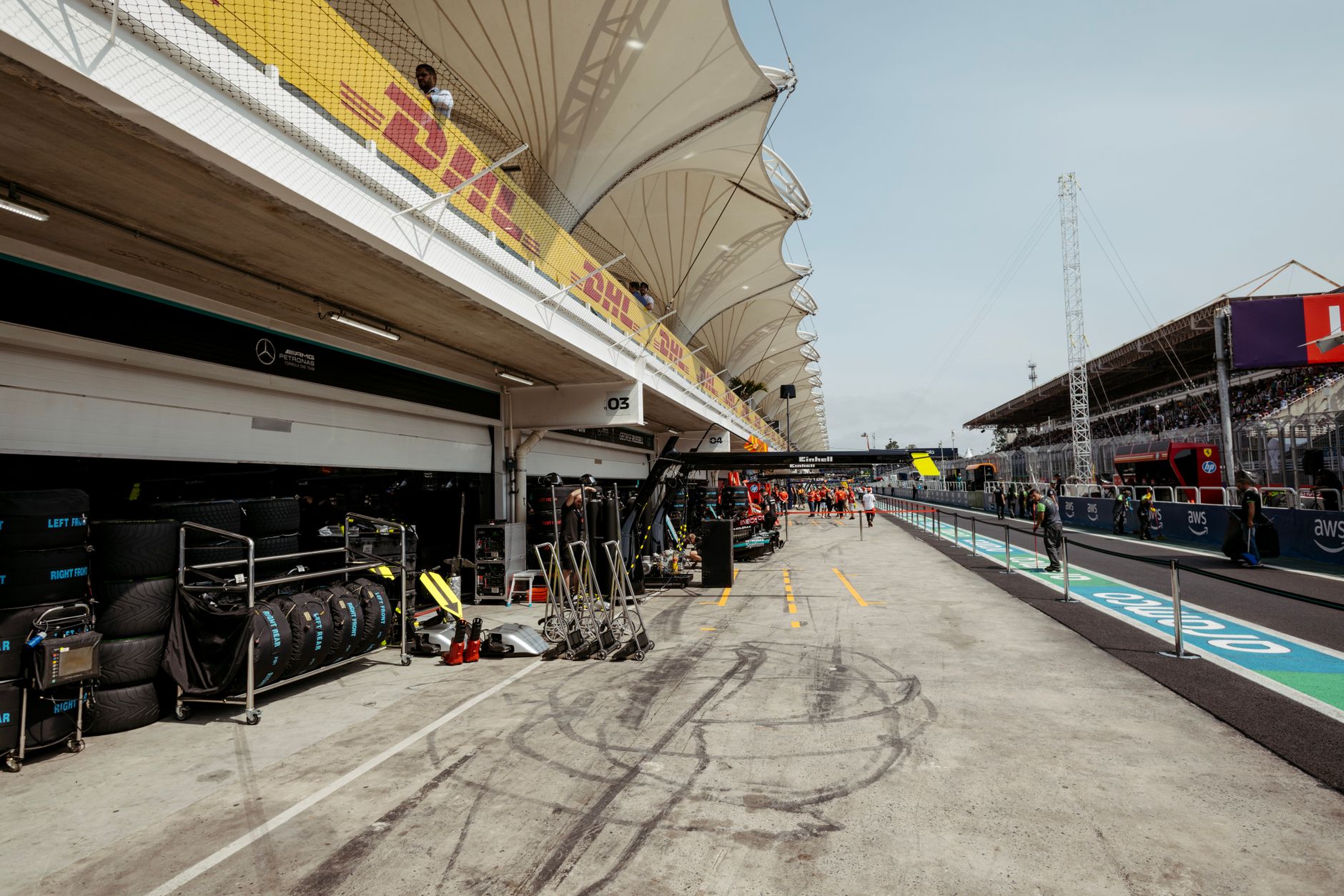
The Sprint weekend format was introduced to give fans more racing. That was the pitch. What the FIA and Liberty Media quietly didn’t account for is that compressing a Grand Prix weekend into a different shape doesn’t create more drama - it redistributes the same drama more thinly, and removes the breathing room that made the drama legible in the first place.
The core problem is parc fermé. Once qualifying for the Grand Prix is done on Friday, teams cannot meaningfully adjust their cars before Sunday’s race. That sounds like a minor technical restriction. It isn’t. It means any setup compromise made chasing Sprint-specific performance becomes a liability carried across the full race distance the following day. Teams aren’t choosing between Sprint pace and race pace - they’re trying to find a setup that doesn’t actively destroy them in either, which is not the same as optimising for either.
The result, across multiple Sprint weekends since the format was expanded, has been a strange conservatism. Teams spend Friday qualifying cautious about committing too hard to a setup direction. Saturday’s Sprint itself rarely produces the wheel-to-wheel racing that justifies the experiment. And Sunday arrives with everyone slightly miscalibrated.
The Viewing Problem Is Worse Than the Strategic One
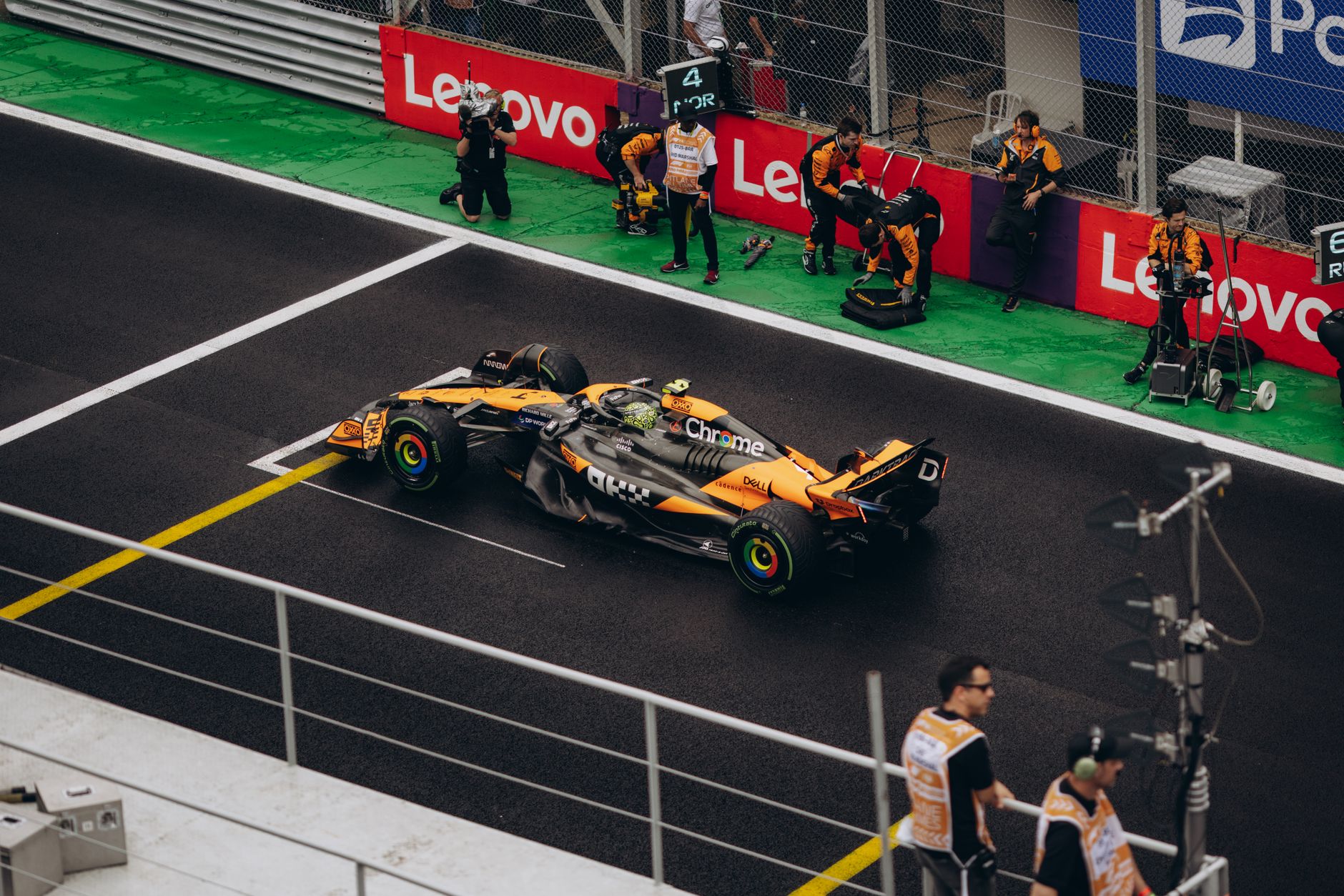
Sprint weekends have also created a narrative confusion that the broadcast rarely resolves cleanly. Casual viewers, who make up the majority of the audience Liberty Media is courting, struggle to track what matters. Is the Sprint result important? Somewhat. Does the Sprint grid affect the race grid? Not directly. Does anything from Saturday carry meaningful consequences into Sunday beyond constructor points?
The honest answer is: occasionally, and only in tight championship contexts. That’s a hard sell.
What Teams Actually Think
Several team principals have expressed reservations about the format on record, though rarely in direct opposition - the political incentives to avoid confrontation with the commercial rights holder are obvious. But the dissatisfaction has leaked through in how teams handle communication around Sprint events: less pre-weekend media engagement, more boilerplate answers about “adapting to the format.”
The format isn’t going anywhere soon. It generates local broadcaster interest and gives circuits another premium session to sell. But the idea that it has enriched the sport - that it added something F1 was missing - is a position that gets harder to defend each season it runs.