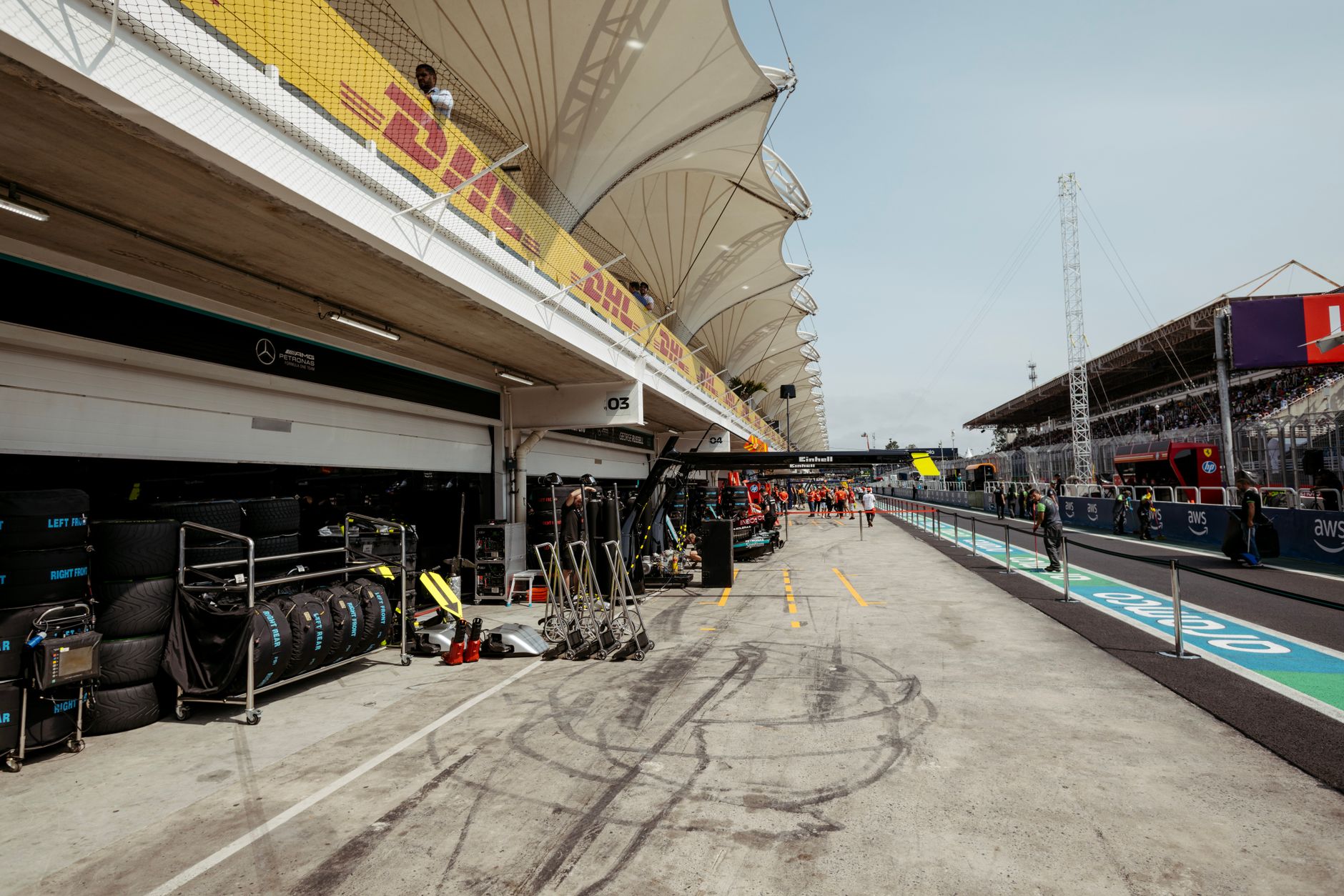
The sprint race format arrived in 2021 with a clear pitch: more action, more stakes, less predictability. What F1 actually got was a compressed practice schedule that punishes development teams, a Saturday race with almost no overtaking incentive, and a points structure so shallow it barely registers in championship calculations. The format hasn’t created drama - it’s relocated it, and usually to a worse place.
The fundamental problem is what happens to Friday. In a standard race weekend, Friday practice is where engineers gather the bulk of their setup data. Tyre behaviour across long runs, aero balance adjustments, fuel load simulation - it’s unglamorous work, but it determines how competitive a car is on Sunday. Compress that to a single free practice session and teams stop experimenting. They run a conservative baseline and protect their data. Smaller teams with fewer simulation resources suffer the most because they can’t compensate in the windtunnel what they’ve lost on track.
The sprint race itself is rarely what the format promises. Drivers are not incentivised to take the risks that produce actual racing. Damage affects Sunday grid position. Tyre allocation is tight enough that pushing hard on Saturday has a direct cost later in the weekend. So drivers protect position. The racing looks like a truncated grand prix without the strategic variation that makes full-distance races interesting.
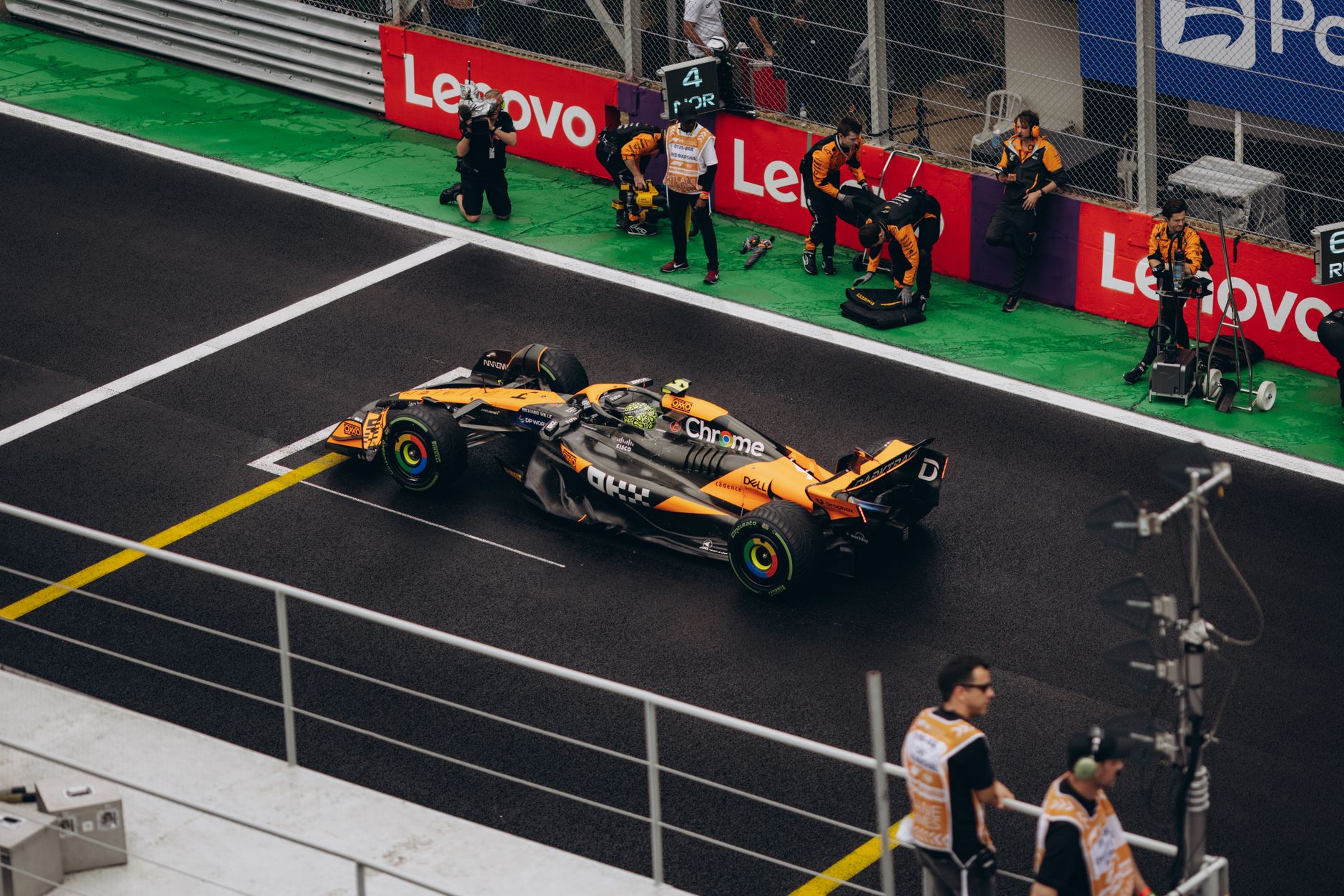
What’s strange is that F1 clearly knows this. The format has been revised multiple times - points were adjusted, qualifying procedures rearranged - but the structural tension between meaningful sprint racing and Sunday preparation hasn’t been resolved because it can’t be. You can’t fully incentivise aggression on Saturday while also asking drivers and teams to care about Sunday. The two objectives are in direct conflict.
The argument for retaining sprints is largely commercial. Sprint weekends are assigned to high-profile markets - Brazil, Qatar, the US - where broadcasters want more live content hours across the weekend. That’s a legitimate business consideration, but it’s a scheduling decision dressed up as a sporting one, and the sport has been pretending otherwise for three years now.
Some races suit the format better than others, usually circuits where tyre degradation is punishing enough to force genuine decisions. But that’s not a defence of the format - it’s an acknowledgement that specific conditions occasionally paper over a bad idea.