
The idea that a regulation change levels the field is one F1 keeps selling and keeps failing to deliver. What a reset actually does is move the starting line for everyone except the team that understood the new rules first.
Look at the record. Brawn GP won both 2009 titles after a rules overhaul, then became Mercedes. When the hybrid turbo era arrived in 2014, Mercedes won eight consecutive constructors’ championships. When ground-effect cars came back in 2022, Ferrari looked quick early, with Leclerc winning two of the first three races, but Red Bull took the constructors’ title and Verstappen won 19 of 22 races the following year. The names change. The pattern doesn’t.
The engine is where it gets decided
The 2026 rules are the most interesting test of this because the headline change is under the bodywork. The MGU-H is gone, the electrical share of the power output is dramatically larger, and active aero replaces DRS. A chassis can be fixed in a winter. A power unit that is wrong on combustion or energy deployment is a problem you carry for years.
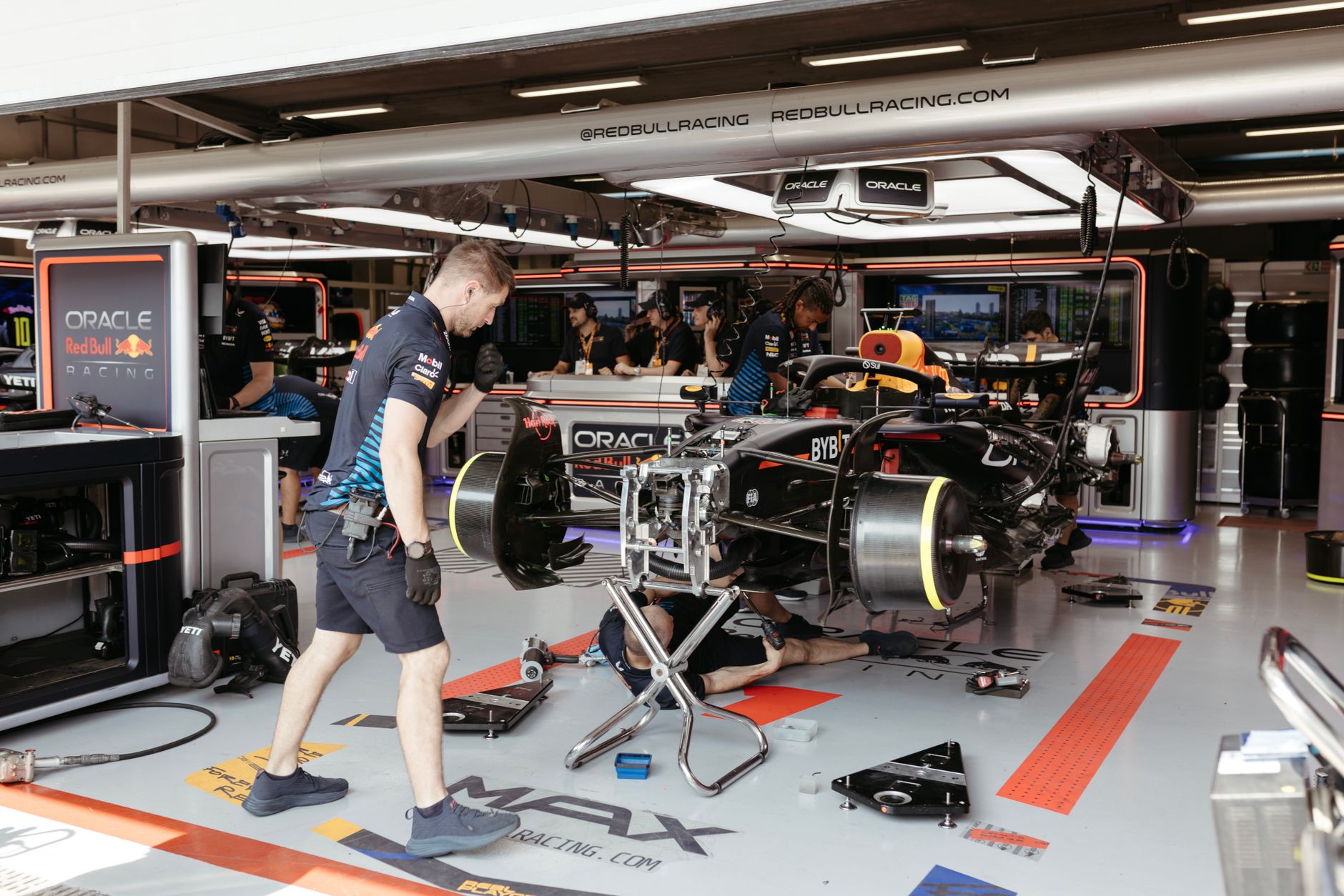
That is why the entrants matter more than the livery launches. Audi took over Sauber. Red Bull built its own power units with Ford’s backing. Honda went back to a works deal with Aston Martin. Cadillac arrived as the eleventh team. Each of those is a bet that a new organisation can match an established one on a formula nobody has run before. My view is that this is much harder than the marketing suggests, and that Mercedes’s continuity as a long-standing engine builder was always going to be worth more than anyone’s fresh-start enthusiasm.
The safety net says something
The FIA wrote a mechanism into the 2026 rules that gives struggling manufacturers extra development time. You don’t build that if you believe a reset resets. It’s an admission that the rule change itself would produce a pecking order, and that the sport needed a plan for the teams stuck at the bottom of it.
That’s the honest reading. Resets create a new hierarchy, and the only real question is how long it takes to be dislodged. Historically the answer has been years, not races.