
The constructors’ championship is supposed to be the definitive measure of an F1 team. It determines prize money distribution, it’s the title that employs hundreds of engineers and mechanics, and historically it’s been the one the factories care about most. But the way points are scored - both drivers contributing to the same tally - means the constructors’ standings increasingly reflect depth of budget and car advantage rather than anything resembling competitive excellence.
Consider what it actually takes to win it. You need two drivers fast enough to consistently score points, ideally both finishing in the top five. That’s not a team achievement so much as a resource allocation achievement. A team with one elite driver and one capable points-scorer will always beat a team with one elite driver and one liability, regardless of which combination produces the more impressive racing. It rewards not having weak links rather than producing anything genuinely exceptional.
This has become more pronounced in the era of the Concorde Agreement’s current prize money structure, where finishing position in the constructors’ standings directly determines how much revenue a team receives the following season. The championship isn’t just a sporting trophy - it’s a financial instrument. Which means midfield teams aren’t really racing each other for sporting glory; they’re racing each other for budget headroom in the next regulation cycle.
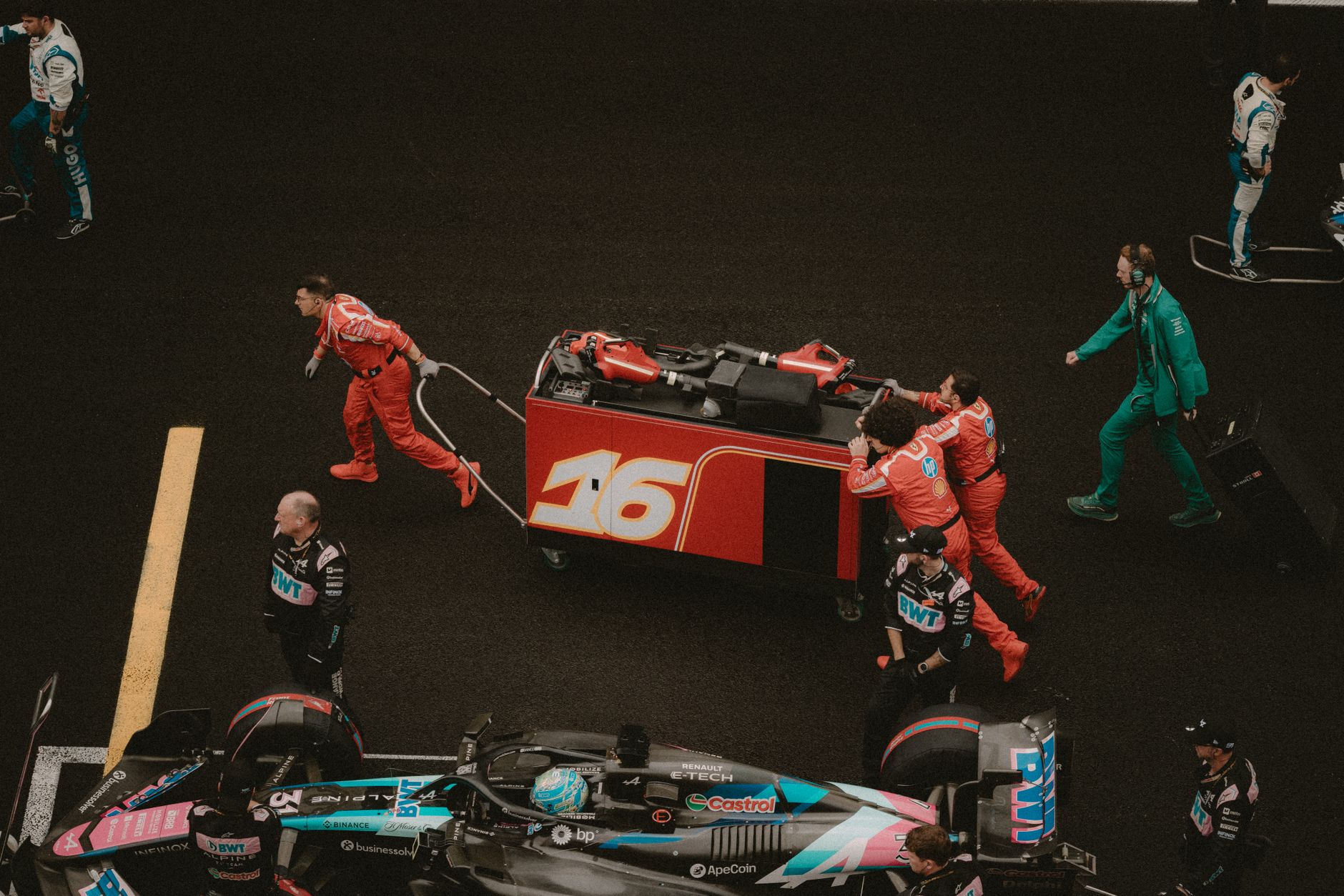
The Driver Title Tells You More
The drivers’ championship, whatever its flaws, at least produces a singular narrative. One person against the field, across twenty-plus rounds, with no teammate to paper over bad weekends. When a driver wins it in a dominant car, that’s visible. When they win it against the odds, that’s also visible. The constructors’ title doesn’t have that transparency.
Red Bull’s constructors’ titles between 2010 and 2013 were real reflections of engineering dominance. But in more competitive seasons - when gaps between the top three teams collapse to a few tenths - a constructors’ title can be decided by a single mechanical failure on a single car at a single race. That’s not a measure of anything meaningful.
None of this means the constructors’ championship should be scrapped or fundamentally restructured. The prize money attached to it performs a real function in keeping smaller teams solvent. But the reverence attached to winning it - the idea that it represents the pinnacle of team achievement - has drifted away from the reality of what the standings are actually measuring.