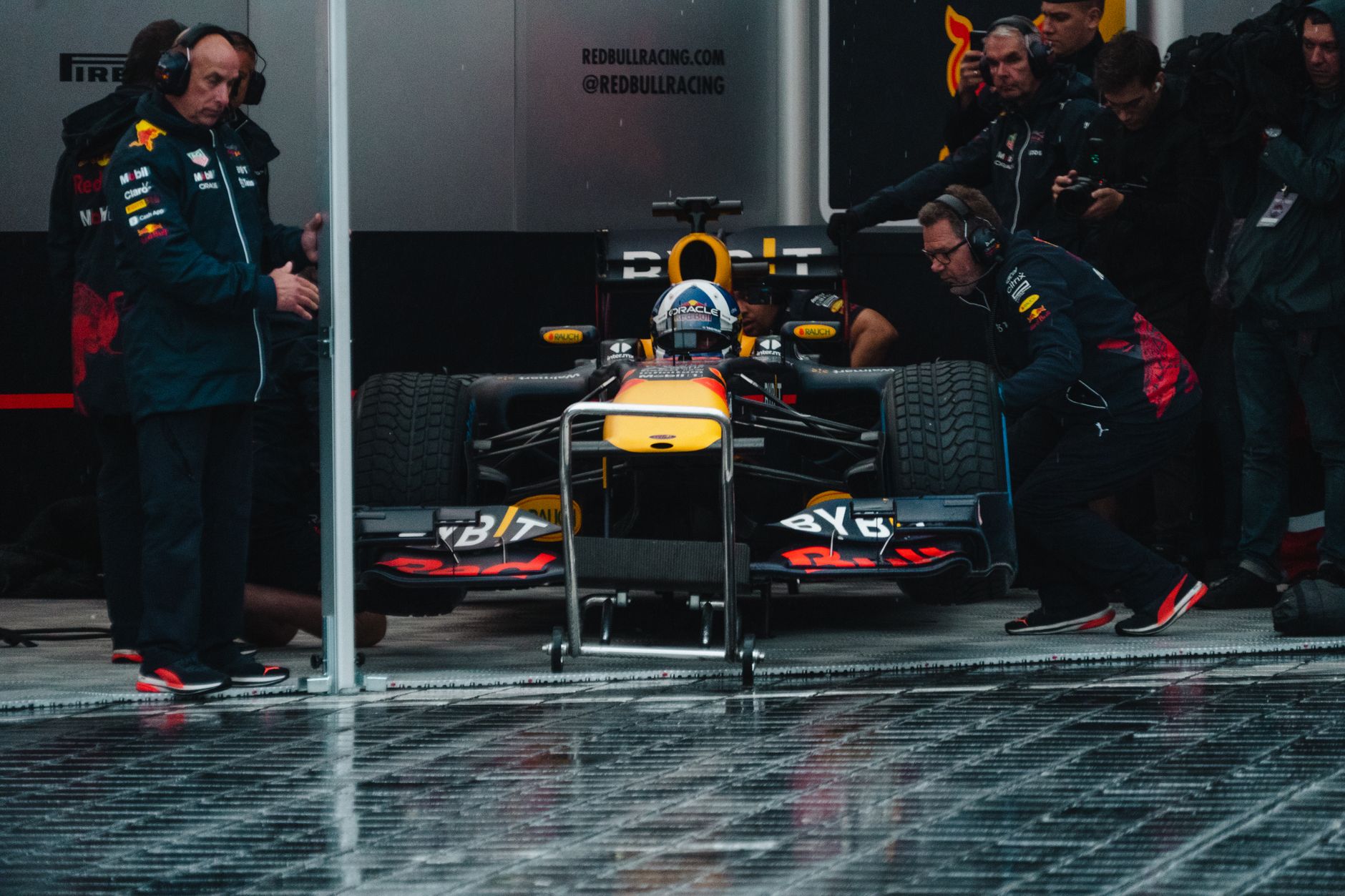
There’s a moment in almost every tight constructors’ battle where a team orders one driver to hold position behind a teammate, not because the race demands it, but because the maths of a 1-2 finish is too tidy to ignore. It happens openly, it gets explained away as ‘team orders within the regulations,’ and everyone moves on. What nobody says out loud is that the constructors’ championship is increasingly distorting how F1 teams make decisions in ways that make the racing worse.
The constructors’ title carries real money - prize fund distributions from the Concorde Agreement are tied directly to it, and the gaps between finishing positions can run into tens of millions of dollars. That’s a legitimate business pressure. But the side effect is that teams with two competitive drivers now have a structural incentive to manage them against each other before managing them against the competition. When both cars are in contention, the temptation to treat one driver as a points insurance policy for the other becomes almost irresistible.
The Drivers’ Title Ends Up Downstream
This is where the framing gets uncomfortable. The drivers’ championship is the one casual fans care about most - it’s the one that gets the documentary treatment, the one that defines legacies. But the financial and logistical machinery of an F1 team is built around the constructors’ title. Drivers are theoretically fighting for their own championship while operating inside a structure that has its own separate priority.
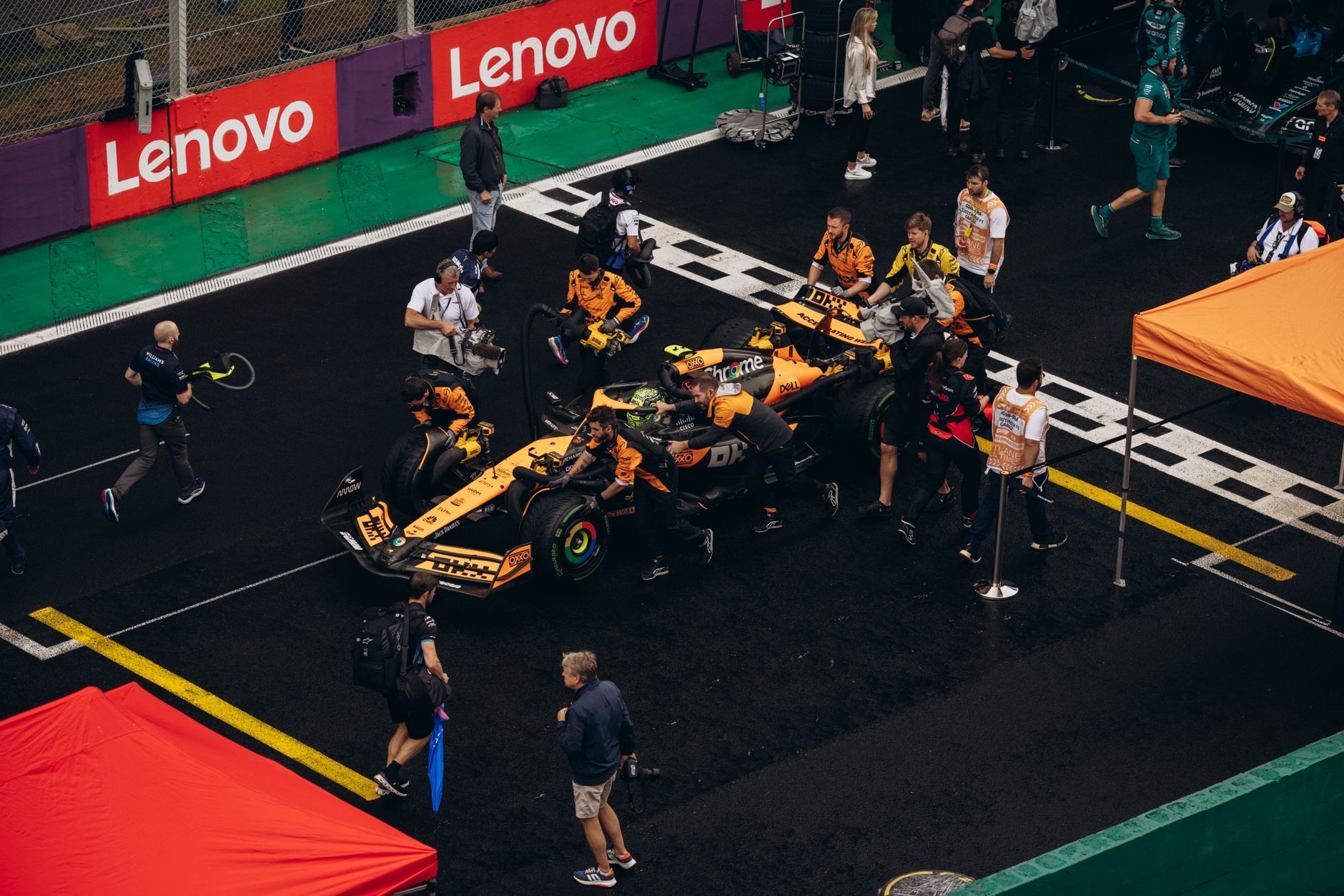
When those two things align - when a team’s lead driver is also the constructors’ best hope - it works fine. When they don’t, you get situations where a driver in genuine contention for the drivers’ title gets a strategy call that makes no sense for their race but protects the team’s aggregate points.
The Midfield Makes It Worse
Midfield teams feel this pressure even more acutely because their points windows are narrower. A four-point swing between fifth and sixth can matter significantly across a season, so the calculus around which driver gets the undercut, who gets fresh tyres under a safety car, or who’s asked to manage pace gets applied with surgical precision.
The regulation structure essentially built this incentive in. Whether that was intentional is a fair question - but the result is a championship format that occasionally puts team interest and sporting spectacle directly at odds, without anyone being technically wrong for choosing the team.