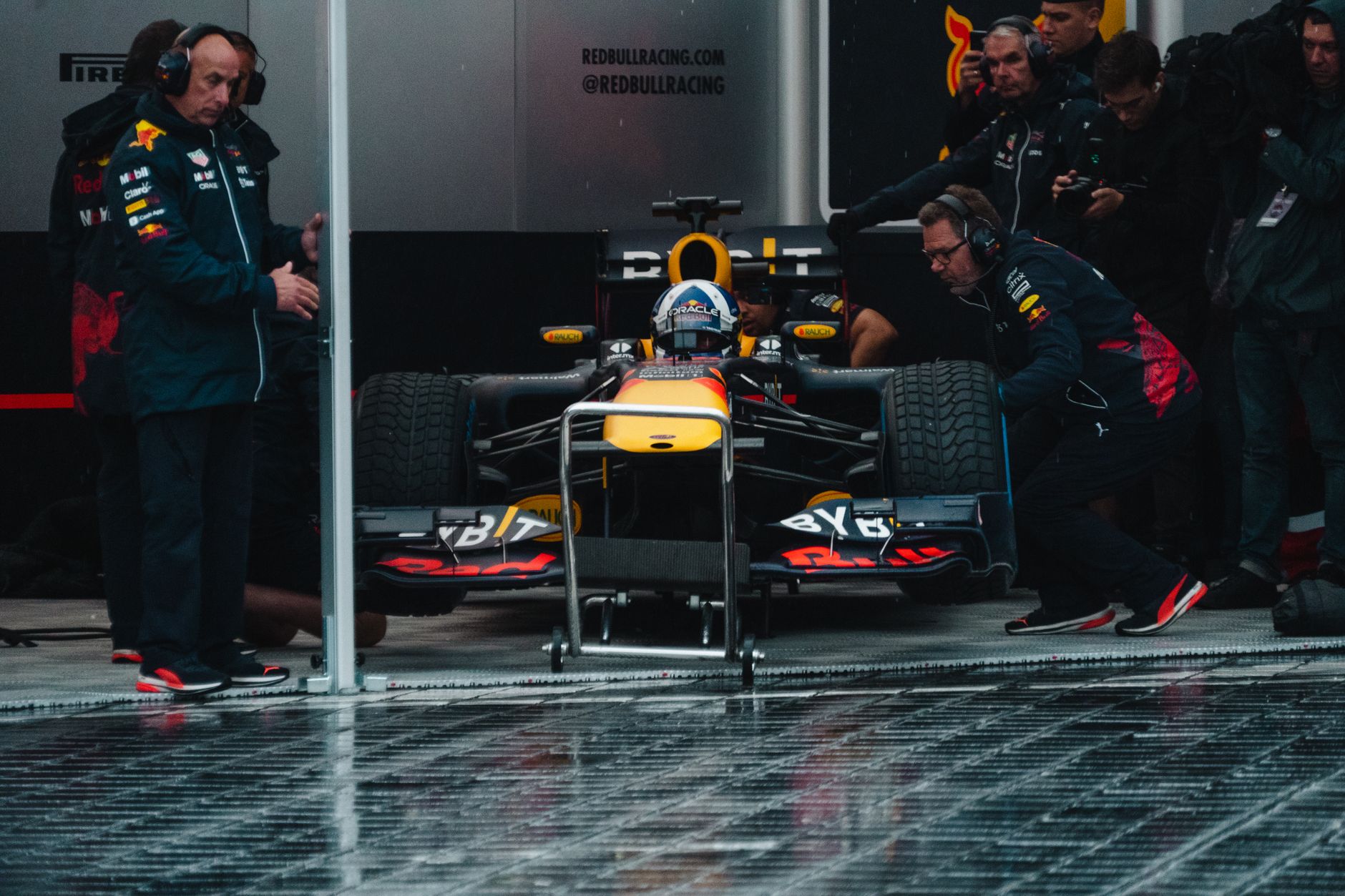
There’s a moment late in a race - usually around lap 40 of 57 - where a team with two cars running fourth and sixth will do absolutely nothing. No call. No adjustment. Both drivers hold position, neither threatening the cars ahead, both just banking points. It’s rational. It’s also quietly hollowing out the sport.
The constructors’ championship distributes points across both cars, which means a team’s strategic calculus is almost never about winning a race outright. It’s about extracting the maximum combined haul across a Sunday afternoon. That logic is sound if you’re an engineer or a shareholder. It produces terrible racing.
The problem isn’t greed - it’s that the incentive structure actively discourages risk. Attempting an aggressive undercut on P3 might net you one extra position but risks a slow stop, traffic, and dropping from fourth to seventh. The expected value doesn’t work. So teams don’t try. They manage. And because every team at the front is doing the same math, races compress into a kind of orderly procession that only gets disrupted by safety cars or mechanical failures - neither of which is a strategy.
The Driver Championship Doesn’t Fix It
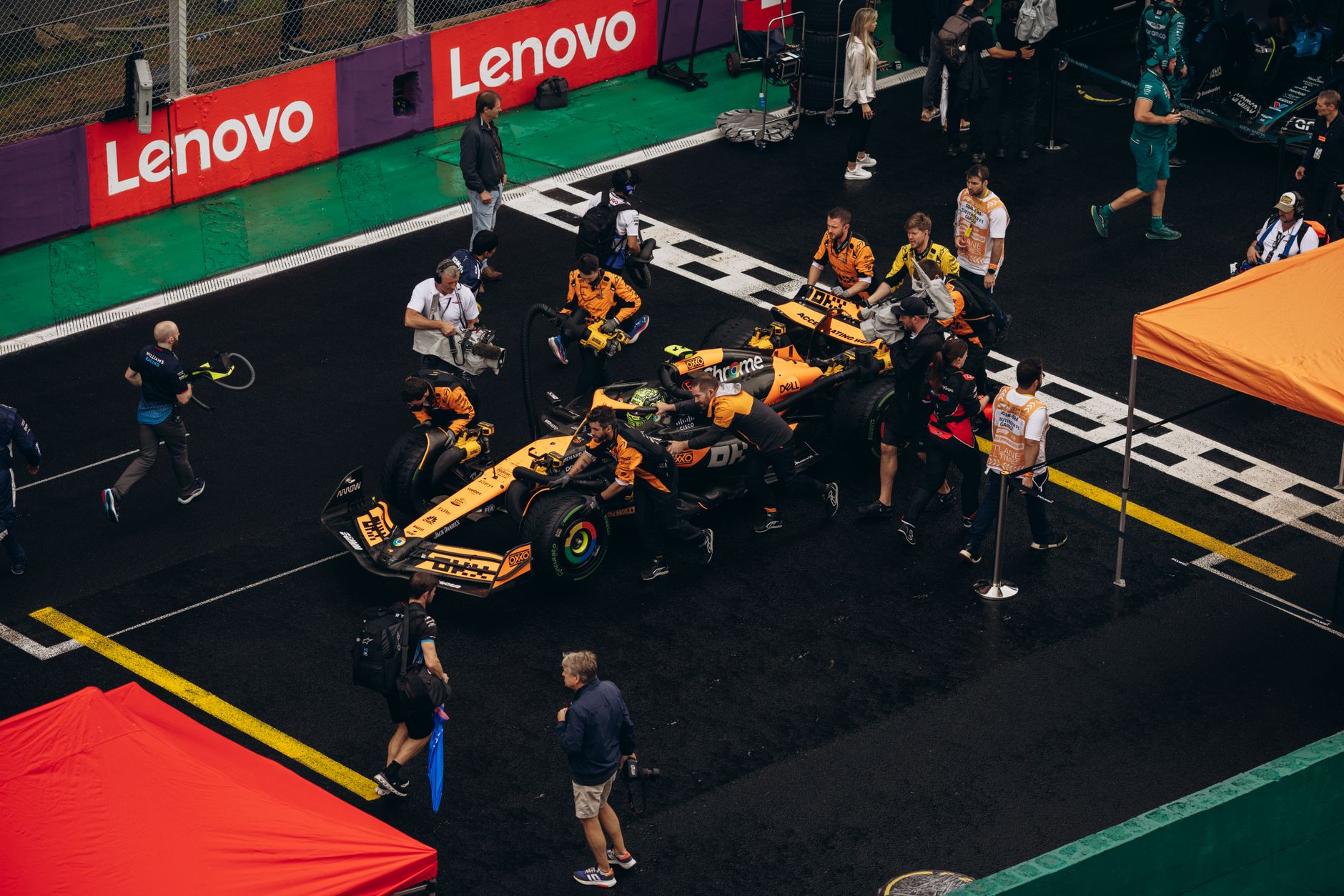
The obvious counterargument is that drivers are racing for their own title, which should inject individual ambition into the mix. And sometimes it does - but only when a driver has enough of a gap in the standings to justify going off-script. For the middle of the grid, where three or four drivers might be separated by eight points over a season, the driver and constructor incentives align almost perfectly: finish where you are, don’t crash, see you in two weeks.
What Actually Creates the Interesting Races
Any race that gets called a classic in the past five years - and there aren’t many - tends to share one feature: something forced a team off the conservative line. A puncture. A red flag with unexpected timing. A car that simply had more pace than predicted and could afford to gamble. The drama wasn’t manufactured by good strategy. It was accidental.
Which raises a question F1 governance hasn’t seriously engaged with: if the best races happen when teams are forced out of optimal behavior, what does that say about the reward structure that defines optimal in the first place? The sport keeps tweaking car regulations and sprint formats while leaving the points system - last overhauled in 2010 - largely untouched.
It’s not clear there’s a clean fix. But it does seem worth admitting what the constructors’ championship is actually incentivizing.