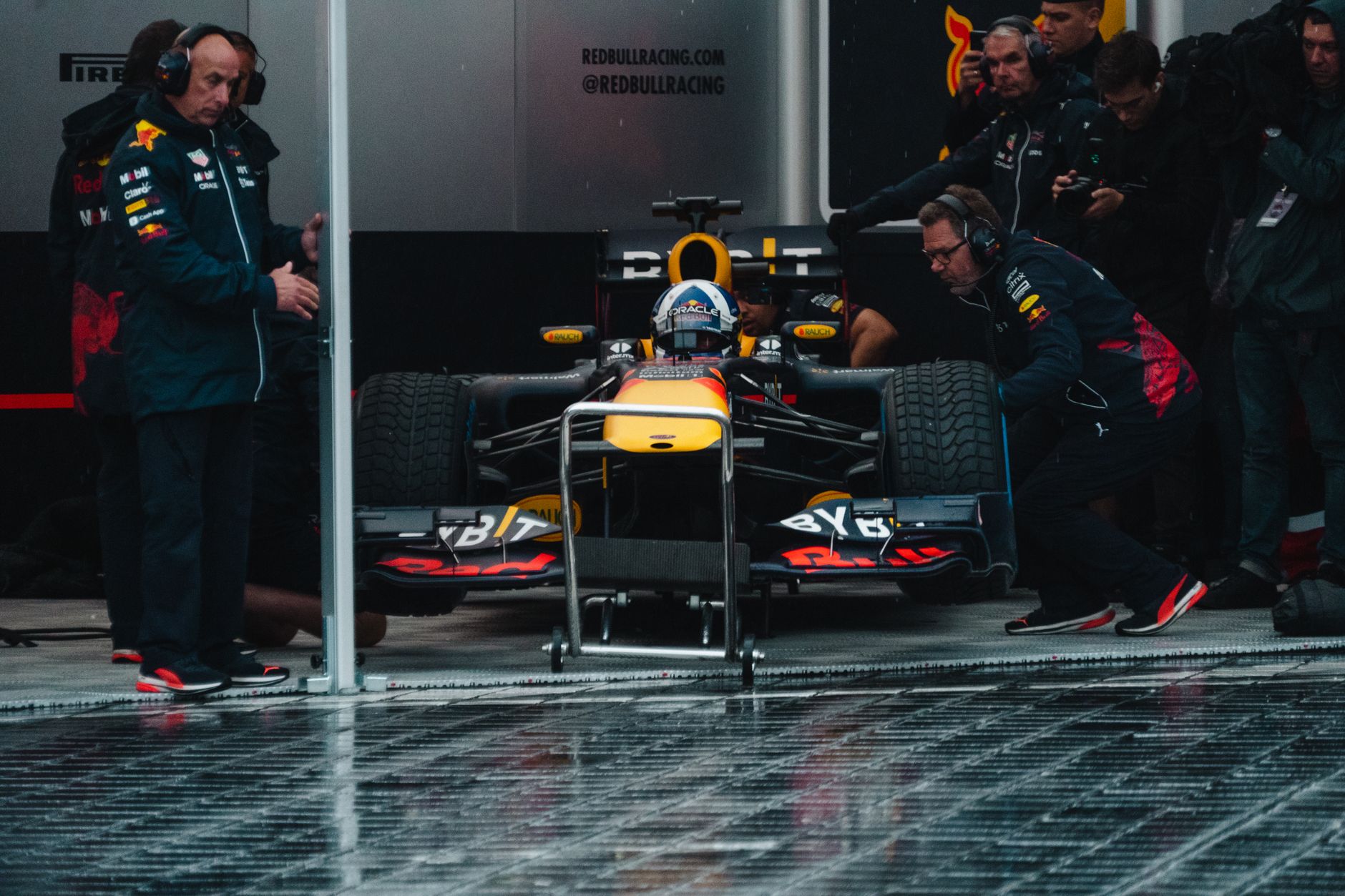
The drivers’ championship sells the narrative. It gives us a face, a rivalry, a protagonist. But the constructors’ championship is where the sport’s actual architecture gets decided - and teams have quietly started treating it that way.
The prize money distribution tied to the constructors’ standings isn’t marginal. Under the Concorde Agreement, a team’s finishing position in the constructors’ championship directly determines its column one payment from Formula One Management’s commercial revenue pool. The difference between finishing fifth and finishing seventh can translate to tens of millions of dollars annually. For a midfield outfit, that’s the difference between developing next year’s car properly or cutting personnel over the winter.
The Drivers Know It Too
What’s changed recently is how openly team orders reflect this priority. We’ve seen drivers asked to hold position - not to protect a drivers’ title lead, but to secure a double points finish for the constructor. The team’s mathematics override individual glory with a frequency that would have felt unusual in the Schumacher era, when a dominant driver was also the constructor’s best argument for commercial leverage.
The irony is that this makes the drivers’ championship simultaneously more visible and less important. Media attention follows the individual title. The money follows the other one.
Smaller Teams Feel This More Acutely
For a Haas or a Williams, a single unexpected podium doesn’t just generate headlines - it can shift their constructor position enough to meaningfully change their budget the following season. That compounding effect is why you see teams at the back genuinely racing each other in the final laps of a processional grand prix. They’re not racing for pride. They’re racing for funding.
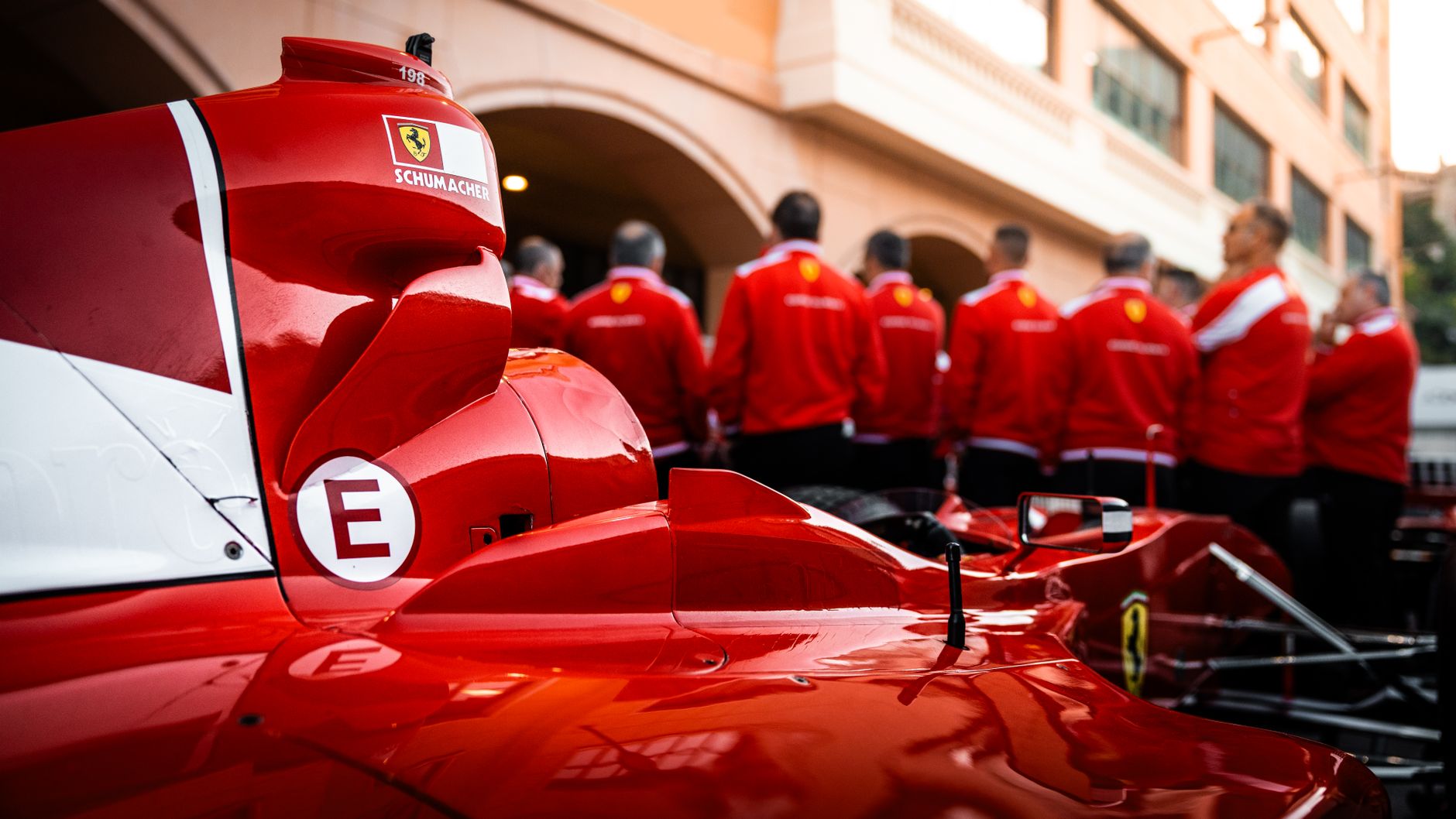
Red Bull and Mercedes have understood this structural reality for years. Their internal culture is built around constructor points accumulation first, driver storyline second. Ferrari has historically inverted this - and it has cost them, repeatedly, in ways that go beyond trophies.
The Regulation Cycle Makes It Worse
Every time F1 introduces a major regulation reset, teams at the top of the constructors’ standings enter that development window with more resources than their competitors. The championship doesn’t just reward this season’s performance. It funds the next era’s competitiveness. Winning the constructors’ title in year one of a new regulation set is, structurally, the closest thing to a headstart F1 officially permits.
The drivers’ championship will always be the story F1 tells about itself. The constructors’ championship is the story F1 actually runs on.