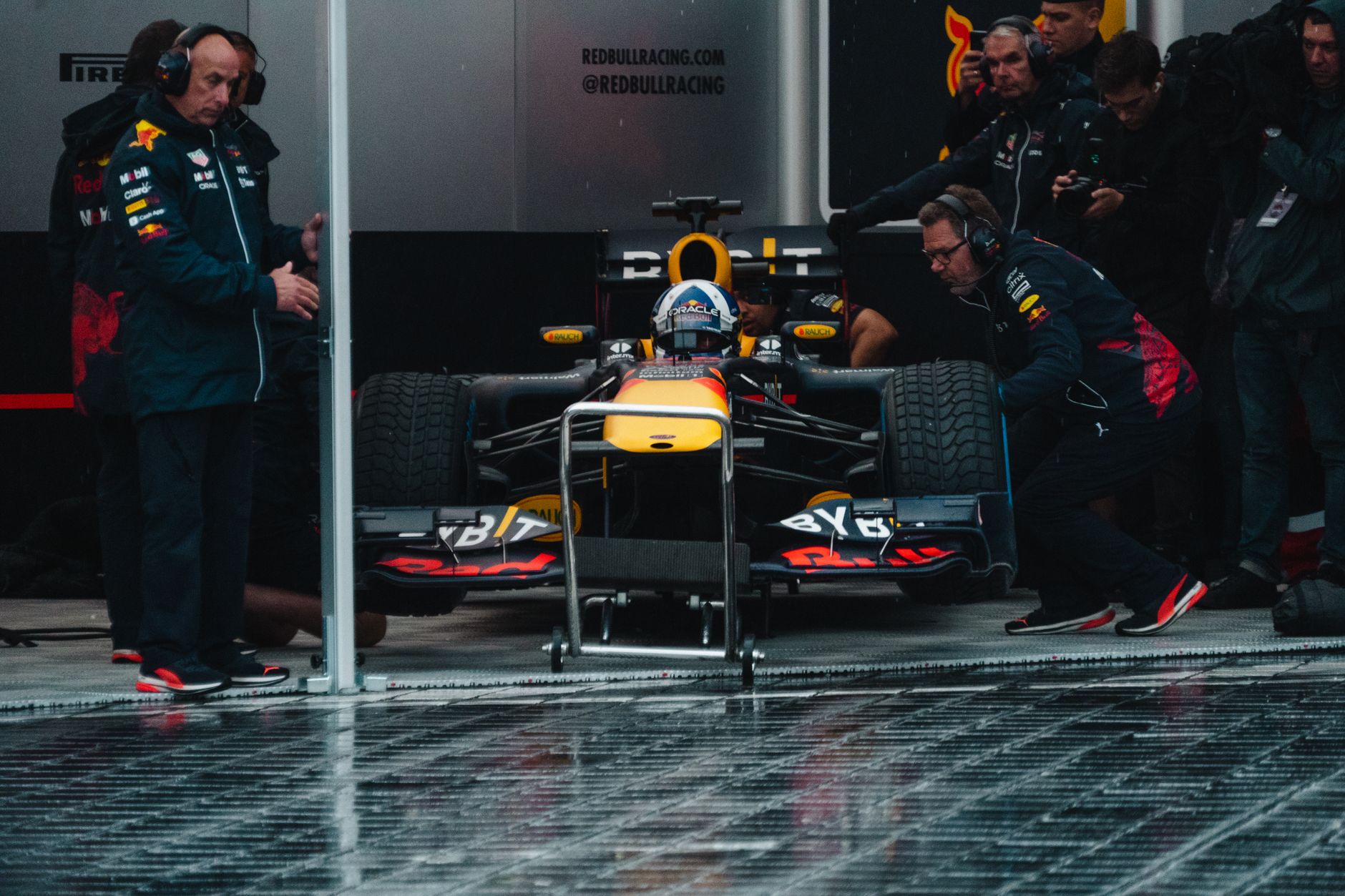
The constructors’ championship is supposed to reward the best team - engineering, strategy, development pace, the lot. What it increasingly rewards is whichever outfit can stop its own drivers from eating each other’s points.
This isn’t a new tension in F1. But the way teams manage - or fail to manage - intra-team dynamics has become so central to constructors’ title races that pure car performance is almost secondary. A team can have the fastest car on the grid and still haemorrhage points to a rival simply because their two drivers are racing each other harder than they’re racing anyone else.
What’s changed is the competitive compression in the midfield and, to a lesser extent, at the front. When one team has a dominant car, the internal conflict is manageable - there’s enough margin to absorb the occasional collision or duelling pitstop call. But in a tight constructors’ fight, every tenth matters, and a race where your two cars finish fourth and sixth beats one where they finish second and DNF from contact.
Yet teams keep treating driver management as a PR problem rather than a sporting one. The instinct is to publicly insist both drivers are free to race while privately hoping neither does anything catastrophic. That’s not a policy. It’s a wish.
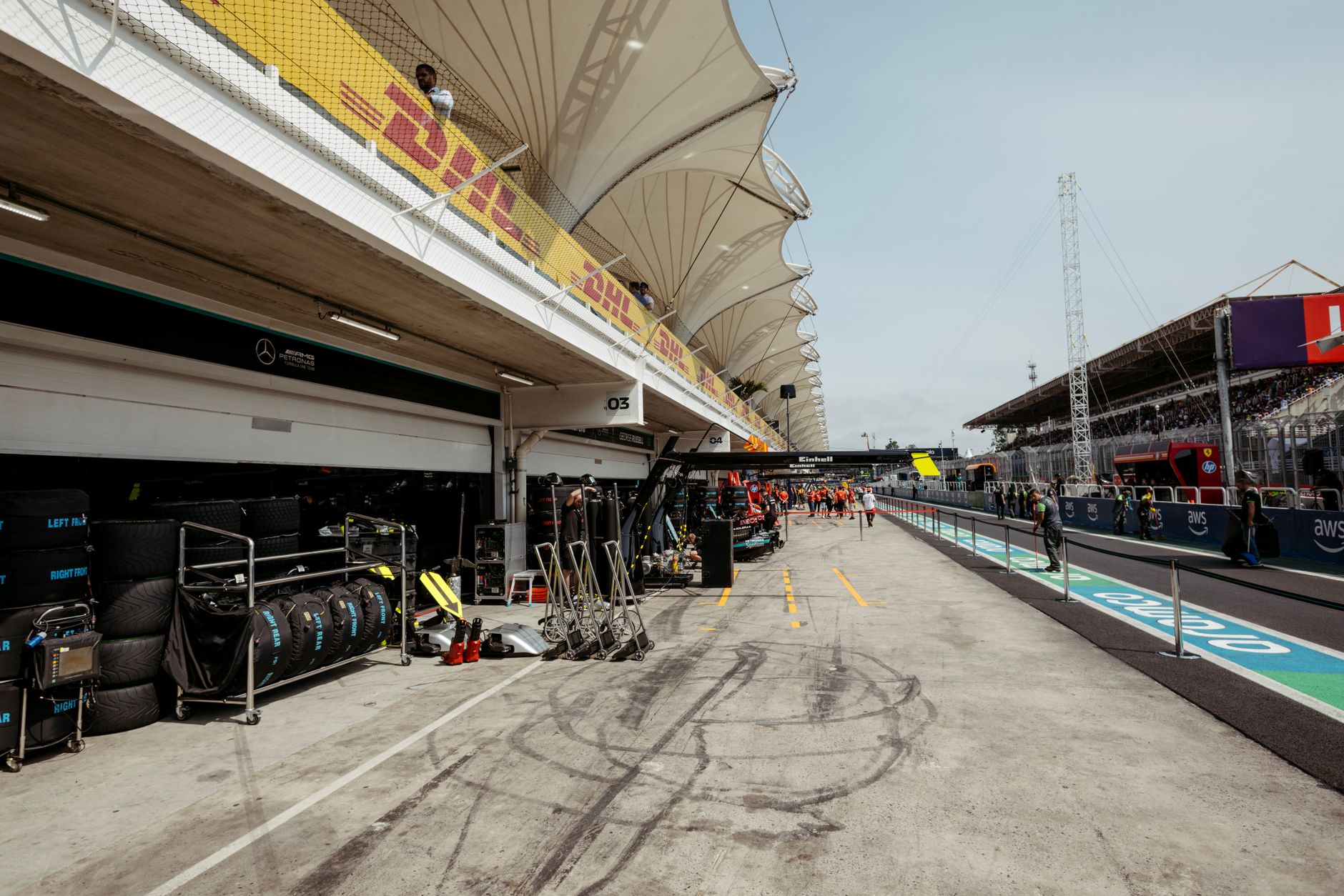
The constructors’ title in recent seasons has repeatedly turned on moments that had nothing to do with the car or the strategy wall - it’s been about whether a team could coordinate two self-interested, highly paid, extremely competitive individuals toward a shared outcome. More often than not, they can’t.
Team orders remain the obvious solution that nobody wants to deploy early enough. The reluctance is understandable - sponsors, fan bases, and the drivers themselves push back hard. But waiting until round seventeen to impose structure means you’ve already donated a chunk of the points gap to a rival who had the same drama and resolved it faster.
The teams that have historically dominated constructors’ standings weren’t just faster. They were better at extracting the maximum from both seats simultaneously - which sometimes means telling the driver in second place to hold station and mean it.
Right now, several teams on the grid are treating that discipline as optional. Their constructors’ standings reflect exactly that.