Every team principal will tell you the constructors’ championship is the one that matters - it sets the prize money, the staff headcount, the infrastructure budget for the next cycle. And yet, race after race, teams make pit-wall decisions that optimise for one driver at the direct expense of the other, leaving points on the table as if the championship were a single-car series.
The pattern is most visible in how teams handle strategic divergence when both cars are in clean air. When Car A pits early and Car B stays out, the instinct is to use B as a rolling road-block - holding up the chasing pack to give A free air on fresher rubber. It works for A. It frequently ruins B’s race, burning tyre life while managing traffic rather than pushing. The net points gain is often marginal. The optics look decisive. The maths usually doesn’t hold up.
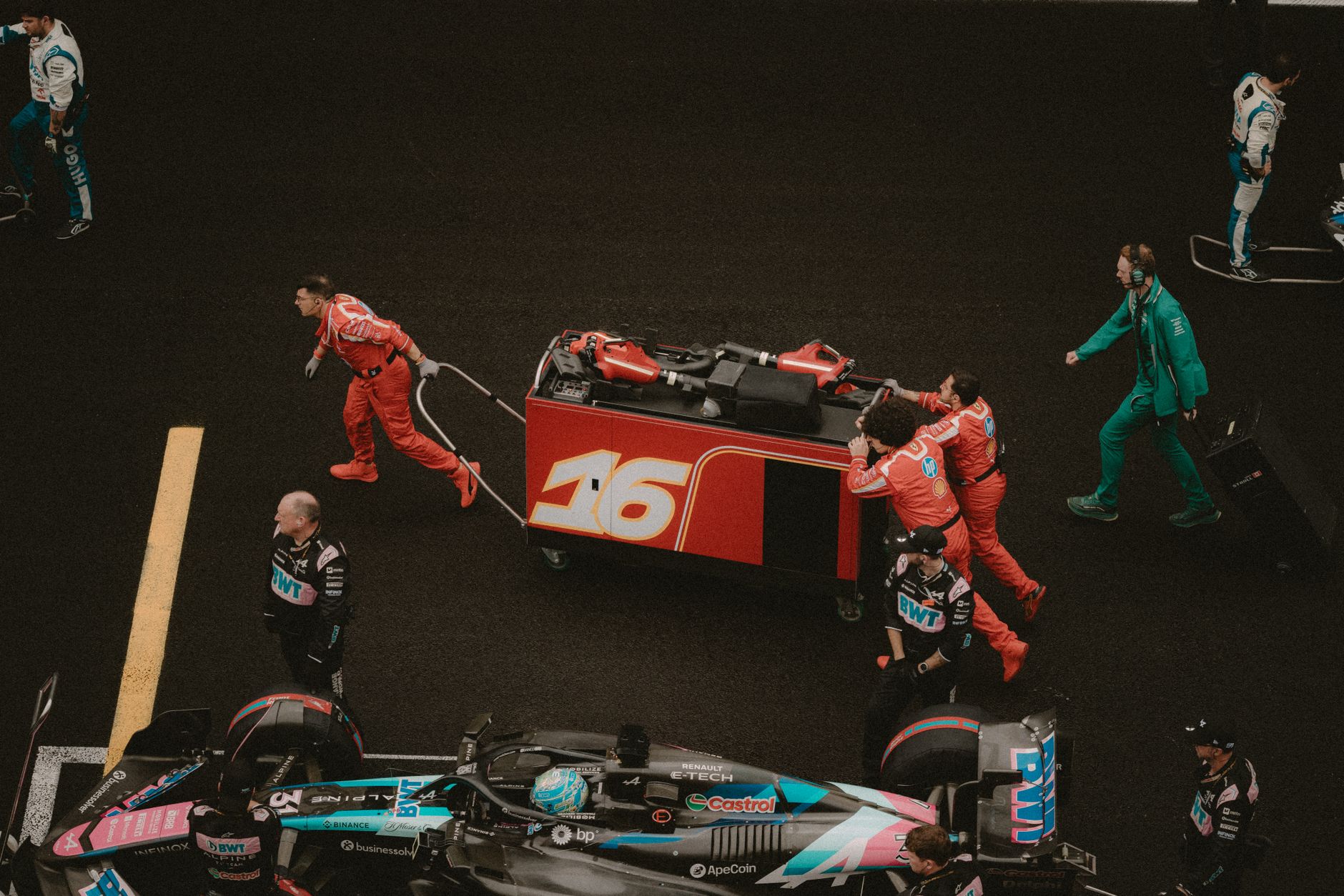
Ferrari’s 2024 season offered a sustained case study in this. The team’s strategic calls in the middle portion of the year repeatedly seemed to prioritise one car’s position without a clear accounting of what the other car was losing in the same window. The gap between Charles Leclerc and Carlos Sainz in the final standings wasn’t purely down to talent differential - the sequencing of strategies played a visible role.
The Actual Constraint Nobody Wants to Say Out Loud
Teams talk about constructors’ points as a shared goal, but the organisational incentive structure doesn’t fully back that up. Race engineers are evaluated on their driver’s performance. The number-one driver’s engineer carries more internal weight. When a call gets made in the heat of a race, the priority queue is rarely as egalitarian as the press conference framing suggests.
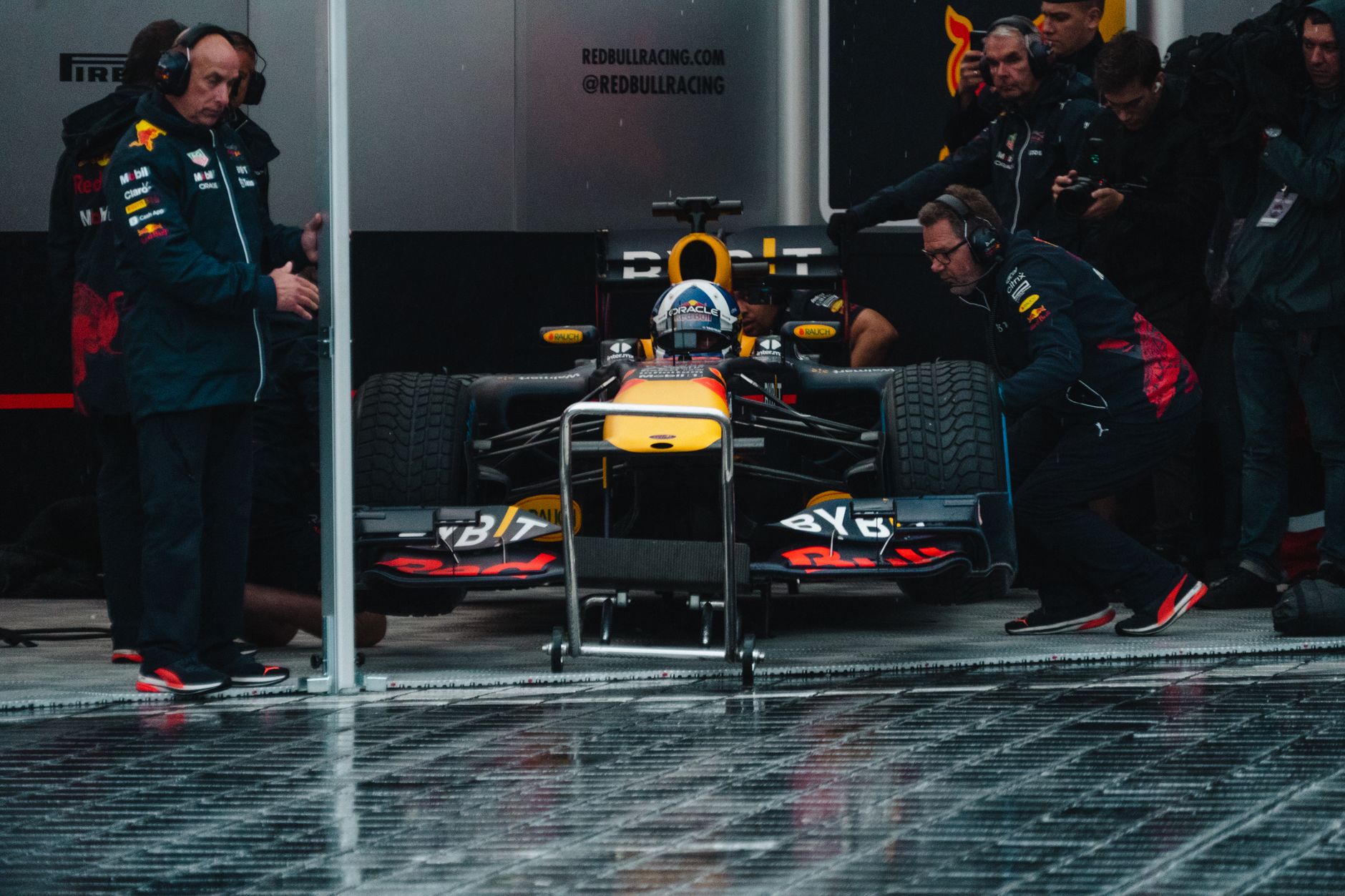
This is where Red Bull, at their 2022–2023 peak, were genuinely different. Their ability to run Verstappen and Perez on strategies that generated big points from both cars - even when the gap between them was enormous - reflected a kind of cold-blooded scoring efficiency most teams don’t have the internal discipline to execute.
Why This Matters More as the Grid Compresses
With the 2026 regulation reset genuinely likely to tighten the midfield, the difference between fourth and fifth in the constructors’ could come down to fifteen or twenty points accumulated through better two-car management over a season. Teams aren’t going to find those points in the wind tunnel. They’ll find them - or lose them - in the calls made between lap 18 and lap 35 in races nobody remembers by Monday morning.