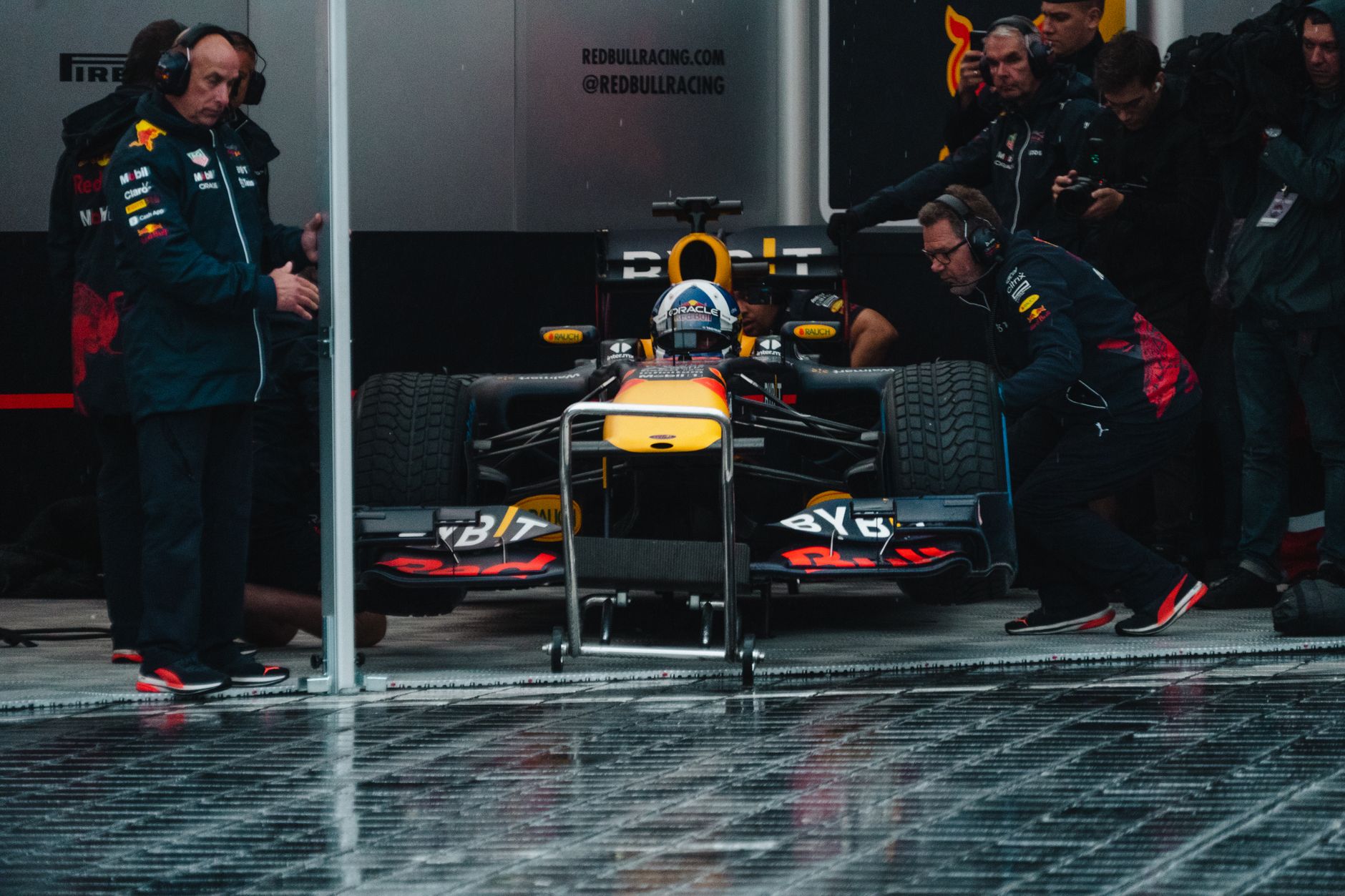
The constructors’ championship rewards both cars. That’s the entire point - 20 race entries, points available at every round for every finisher, a title decided by the combined output of a team’s two drivers across a full season. And yet somewhere along the way, most of the grid quietly decided that one of those cars is the development car, the data car, the other car.
This isn’t a new dynamic, but it has sharpened considerably. The gap in points contribution between a team’s first and second driver has widened at almost every constructor not named McLaren over the past two seasons. What used to be an accepted imbalance has become structural. Teams build car updates around one driver’s feedback, set pit strategy to protect one driver’s track position, and then express genuine surprise when the other seat becomes a revolving door of underperforming talent.
The McLaren comparison matters here. One of the reasons McLaren has been able to genuinely contest for the constructors’ title is that Lando Norris and Oscar Piastri both score heavily and consistently. Neither is running interference for the other across a full season. Their intra-team tension at some races has been real, but the underlying philosophy - two cars capable of threatening podiums - is what separates them from teams operating a 1.5-car programme while pretending otherwise.
Alpine have done this for years. So has Haas, though with less resource to pretend otherwise. Even Mercedes, during the period when Valtteri Bottas was openly used as a strategic asset for Lewis Hamilton, built their constructors’ advantage on a foundation that was always one Bottas off-day away from unravelling.
The scouting problem underneath
When a team defaults to a lead driver model, the second seat stops being recruited for pace and starts being recruited for manageability. That’s a slow leak in team competitiveness. Drivers who won’t challenge the team’s hierarchy are, almost by definition, drivers who won’t extract the car’s maximum on Saturdays when it matters most.
The constructors’ title is theoretically the hardest thing to win in F1 - 20 drivers, two cars per team, 24 rounds of accumulated variance. Teams that treat it as a secondary concern behind a drivers’ championship push are making a calculation that looks defensible in February and increasingly incoherent by September.