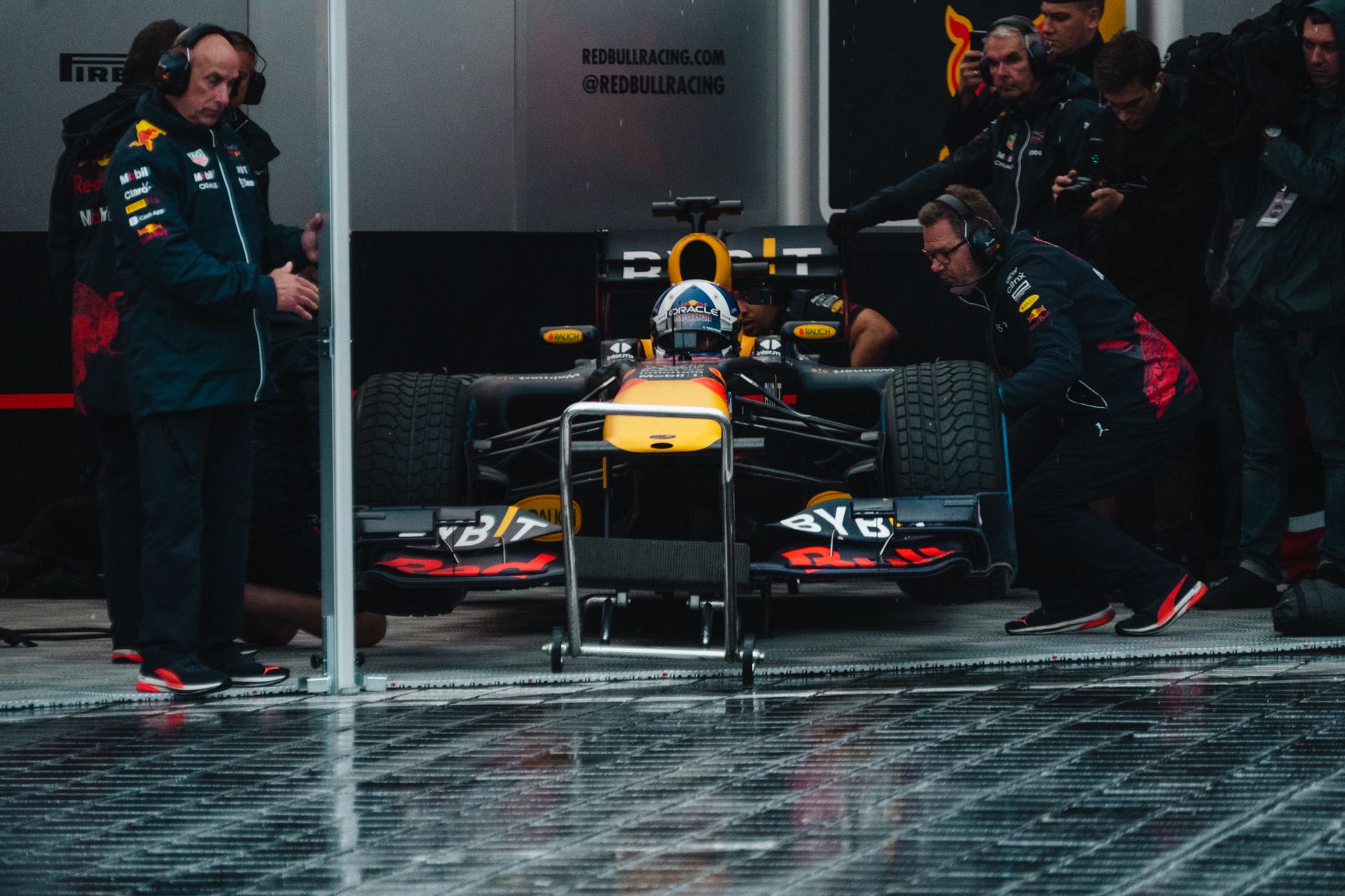
The constructors’ championship is decided by accountants as much as drivers. That’s not cynicism - it’s just what happens when you add up the points from two cars across 24 races. The team with the most consistent second driver, the fewest DNFs caused by mechanical failure, and the deepest operational budget almost always wins. It’s a procurement contest with a trophy.
None of that makes it meaningless to the teams themselves. Prize money is distributed based on constructors’ standings, and the financial gap between finishing third and fifth can reshape a midfield team’s next two seasons. But the way broadcasters and pundits frame the constructors’ battle - as the sport’s central narrative - consistently crowds out the thing most fans actually care about: whether the best driver is winning.
The 2024 season illustrated this cleanly. Max Verstappen’s title fight became genuinely compelling in the final third of the year, with McLaren applying real pressure and Red Bull visibly struggling with car development. But the conversation kept drifting back to whether McLaren or Ferrari would secure second in the constructors’ standings, as though that were the more meaningful story. It wasn’t. A potential Verstappen defeat after four consecutive titles would have been one of the most significant results in a decade. The constructors’ fight between two teams already accepting they wouldn’t win the thing was a subplot.
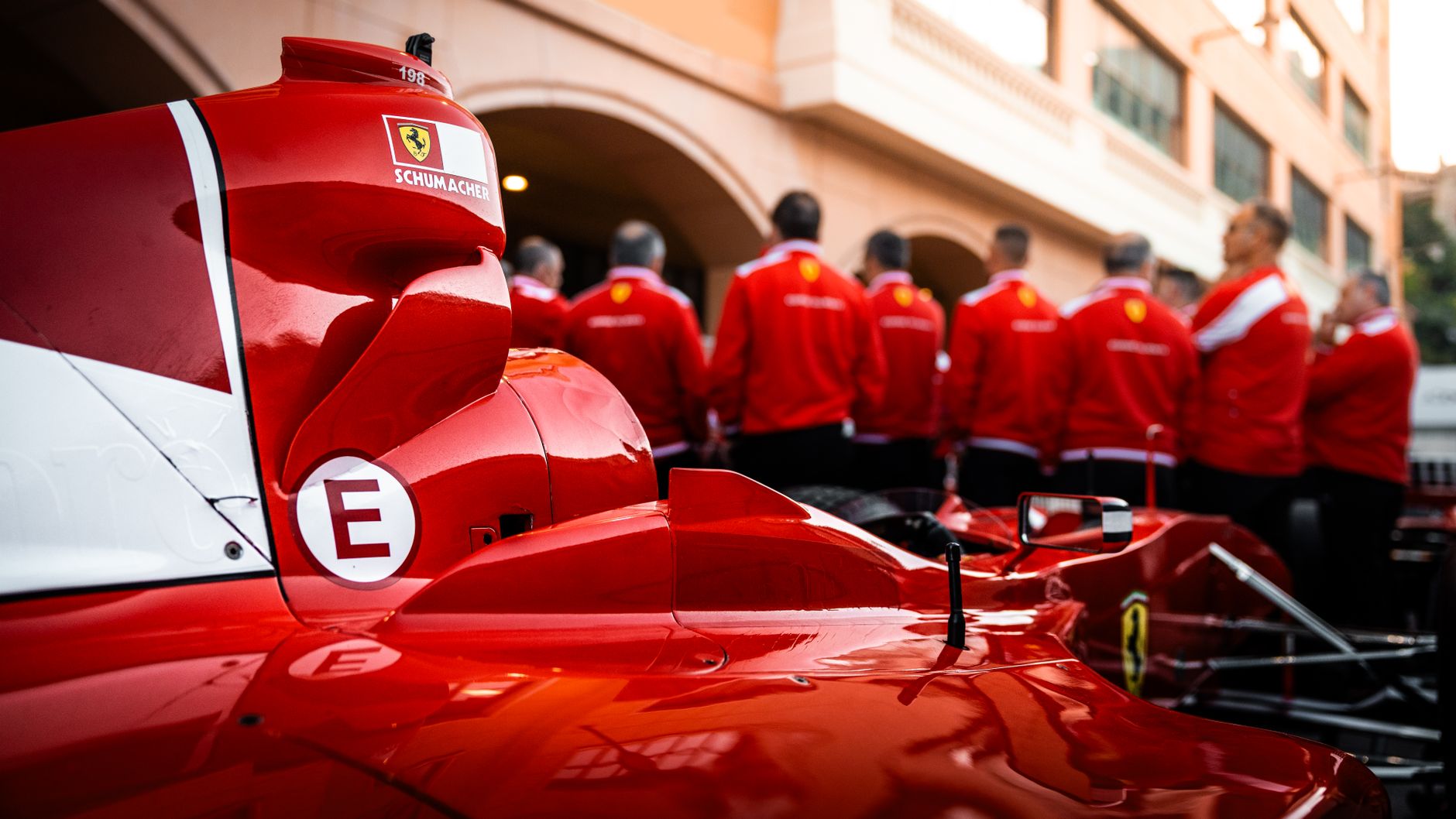
Part of the problem is structural. Unlike in football or basketball, the two championship prizes in F1 are not symmetrical in drama. One is about a person under pressure. The other is about an organisation’s resource allocation over a calendar year. Those are not equivalent stories, and pretending they are flattens coverage of a sport that already struggles to explain itself to casual fans.
There’s also a perverse effect on driving talent. A constructor benefits from a reliable, unspectacular second driver almost as much as from a spectacular one - sometimes more. Points scored on a quiet Sunday in a midfield position count the same as points taken in a genuine battle at the front. That reality quietly depresses the incentive to take risks or develop aggressive, attacking drivers.
The drivers’ championship is the only one with a human being at its centre. F1 should build its storytelling around that, and stop elevating the constructors’ fight to a status it structurally cannot hold.