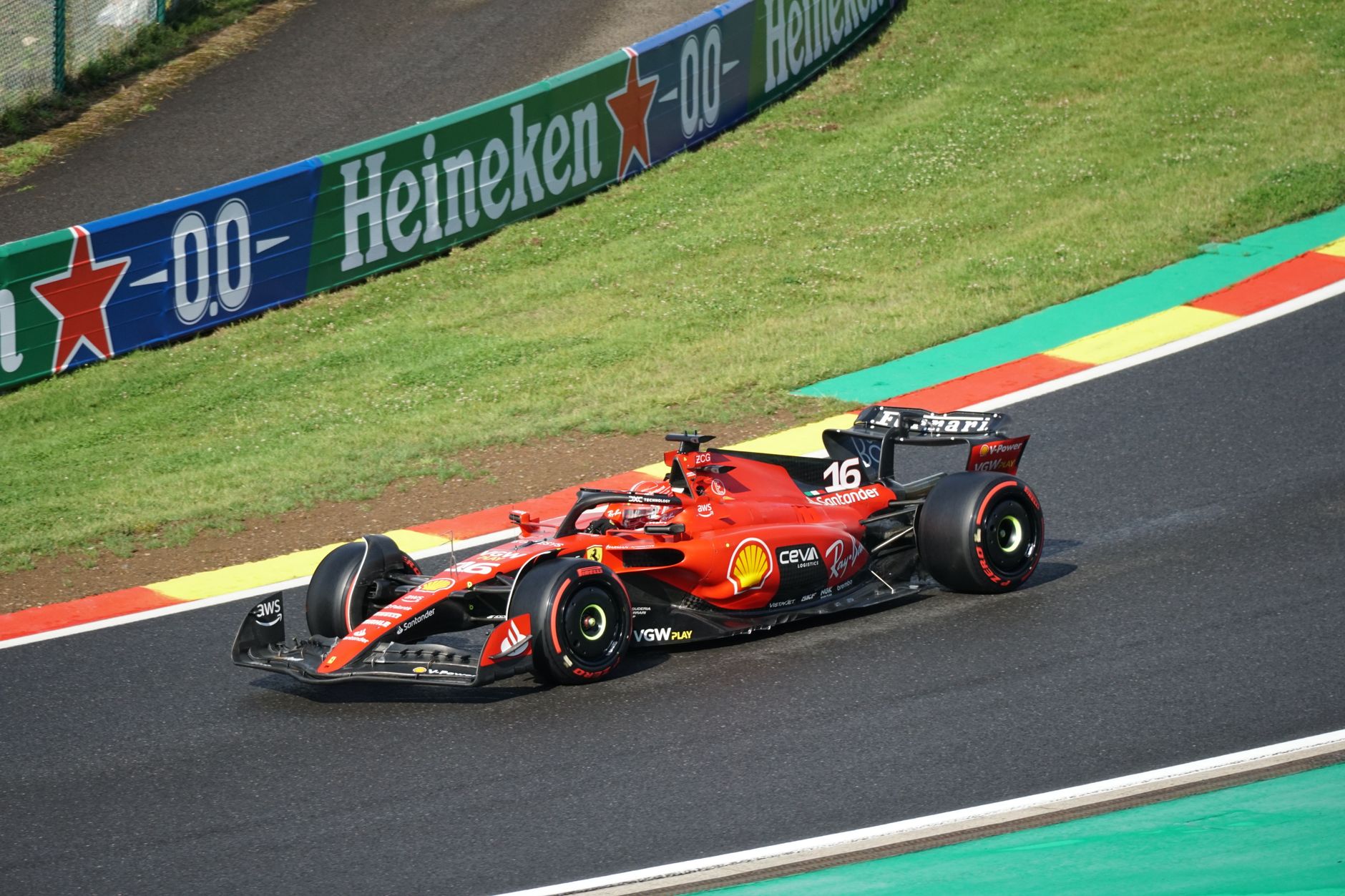
For years the standard complaint about modern F1 was that drivers couldn’t push. Tyres fell off a cliff, so they drove to a delta. The 2026 regulations were supposed to fix that, and in some ways they did. But the new power unit rules have put a different resource at the center of the race, and the driver is still being asked to ration.
The numbers behind the change are public. The MGU-H is gone, the MGU-K is far more powerful, and electrical output now makes up close to half of the car’s power. A car that leans on that much electrical energy has a battery that can run flat on a straight. Drivers and engineers now spend the lap deciding where to harvest and where to spend, which is a close cousin of deciding where to save the rear tyres.
Why this isn’t the same as tyre saving, and why that’s worse
Tyre degradation at least produced visible consequences. You could see a driver sliding, hear the team radio, and watch the gap shrink as the rubber went off. Energy deployment is much harder to read from the sofa. When a car gets passed on a straight because the other one had more electrical energy left, the viewer is told a story about state of charge rather than about who drove better.
That’s my real objection. A pass should feel like it was earned, and a pass that comes from a battery-state mismatch feels more like a scheduling outcome. DRS had this flaw too, and the replacement active aero and manual override systems risk repeating it in a more complicated form.
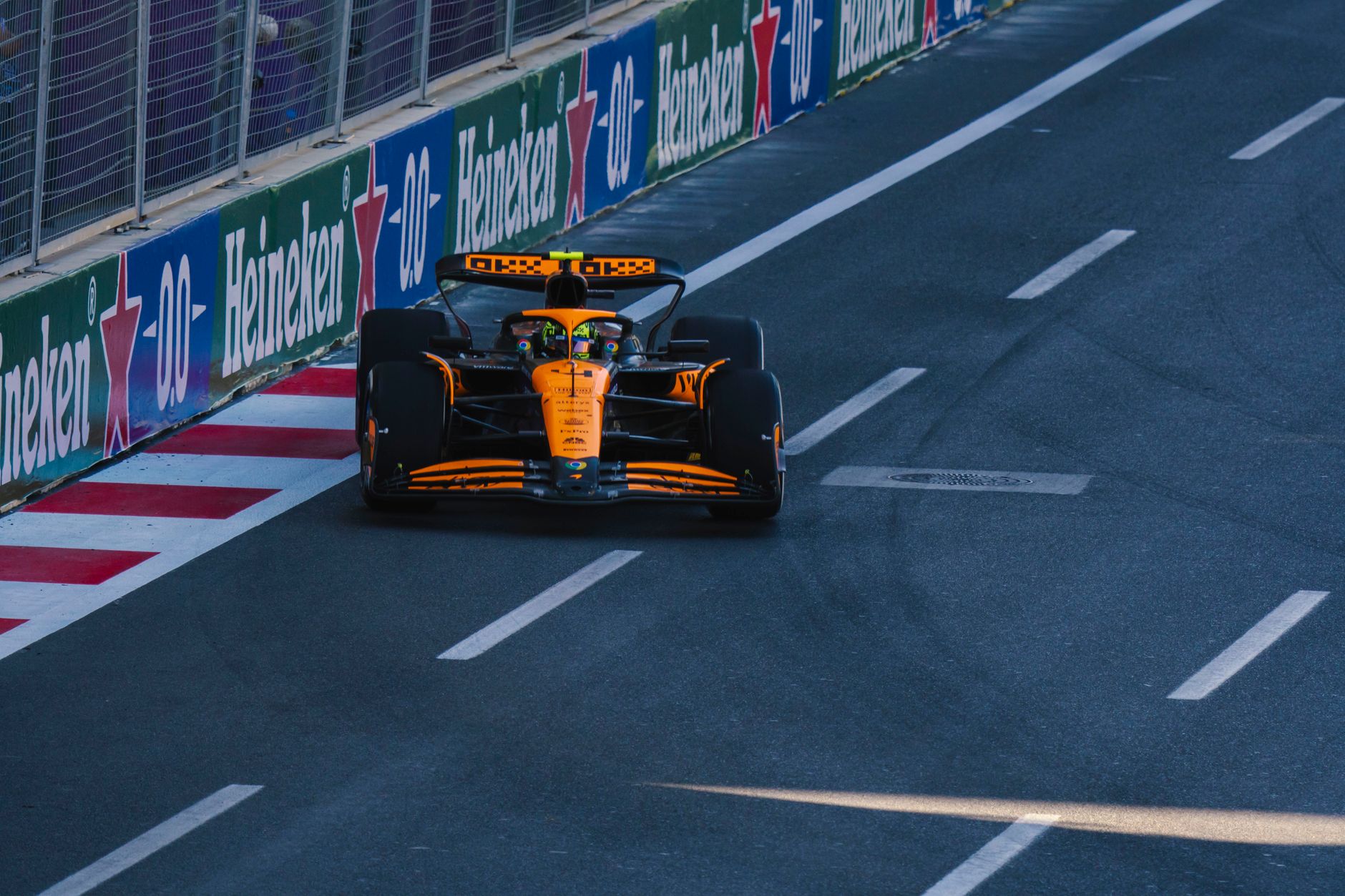
The case for the rules
The case in their favour is real. Smaller, lighter cars and active aerodynamics were meant to reduce the dirty-air problem, and the sport has brought in Audi and Cadillac on the strength of a power unit formula manufacturers wanted. Those are not small things.
But the test is simple
Can a driver in second place win a straight fight against a driver in first, using nothing but braking, line and nerve? If the honest answer is that the winner is whoever managed the battery better, F1 has built a more expensive version of the problem it set out to solve.
I’d rather watch the sport reward a late brake than a clever harvesting map. Right now the regulations lean toward the map.