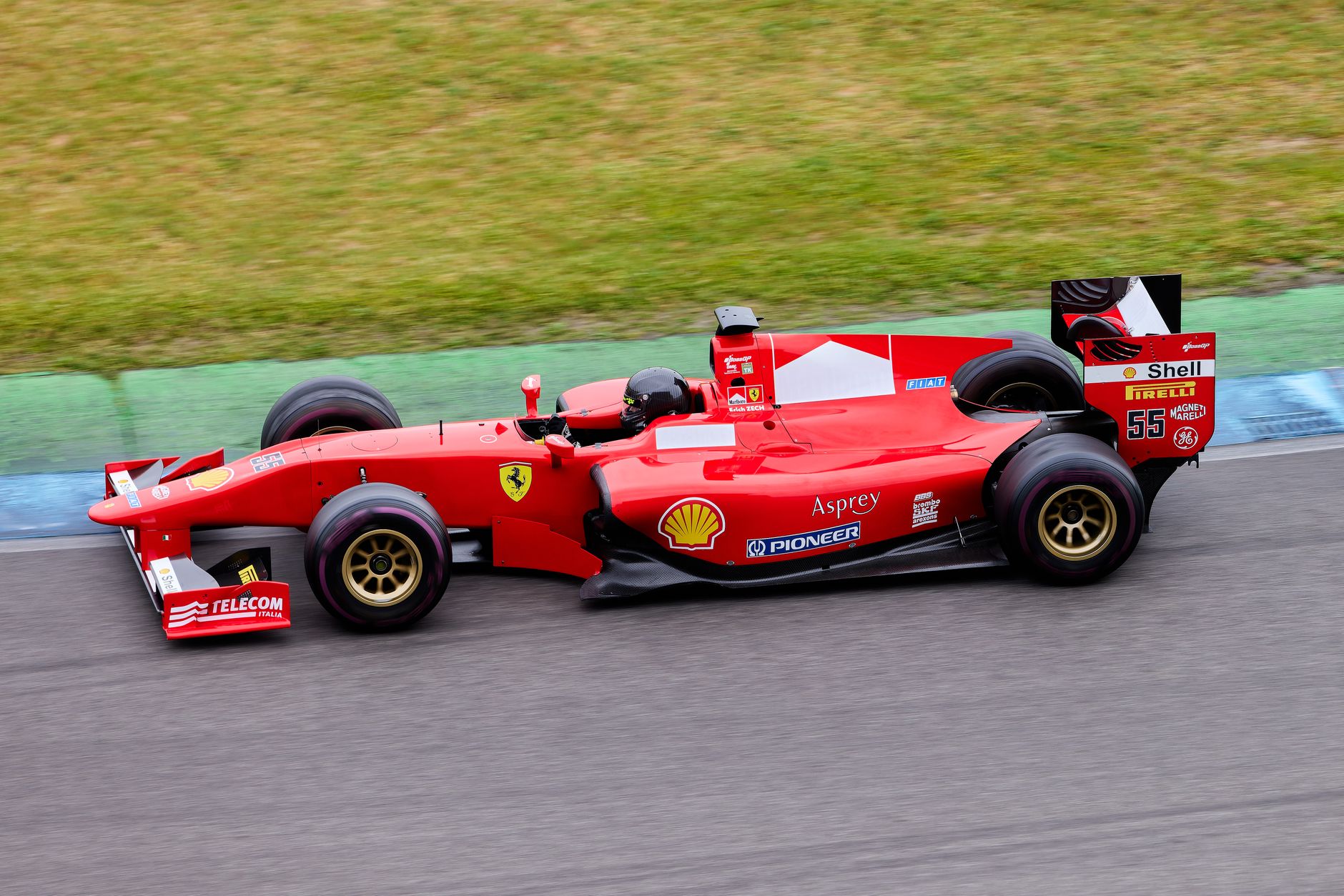
DRS was always the sport’s admission that its cars couldn’t race closely enough. The 2026 rules were meant to retire that admission. What they did instead was move it from a flap on the rear wing into the battery.
The headline change is easy to state. The MGU-H is gone, and the MGU-K’s electrical output rises to roughly 350 kW, so the power unit is split close to evenly between combustion and electrical. Add active aerodynamics front and rear and a driver-activated overtake mode, and the pitch is that following another car becomes easier and passing becomes more earned.
I don’t buy that last part, and the reason is structural. When electrical energy is the scarce resource, the question on any given straight stops being “who is faster?” and becomes “who has charge left, and who has been told to spend it?” A driver can out-brake, out-position and out-think a rival and still lose the move because his battery was emptier. That is the same problem DRS had. The pass is partly decided by a system the driver doesn’t fully control.
Energy management is a real skill, but a strange headline one
I’m not arguing that managing deployment is trivial. It has always been part of the job, and the best drivers will be better at it than the rest. But a skill that mostly happens inside the steering wheel menus and engineer radio calls is hard for a fan to read. Late braking is visible. Lift-and-coast to save a few megajoules isn’t.
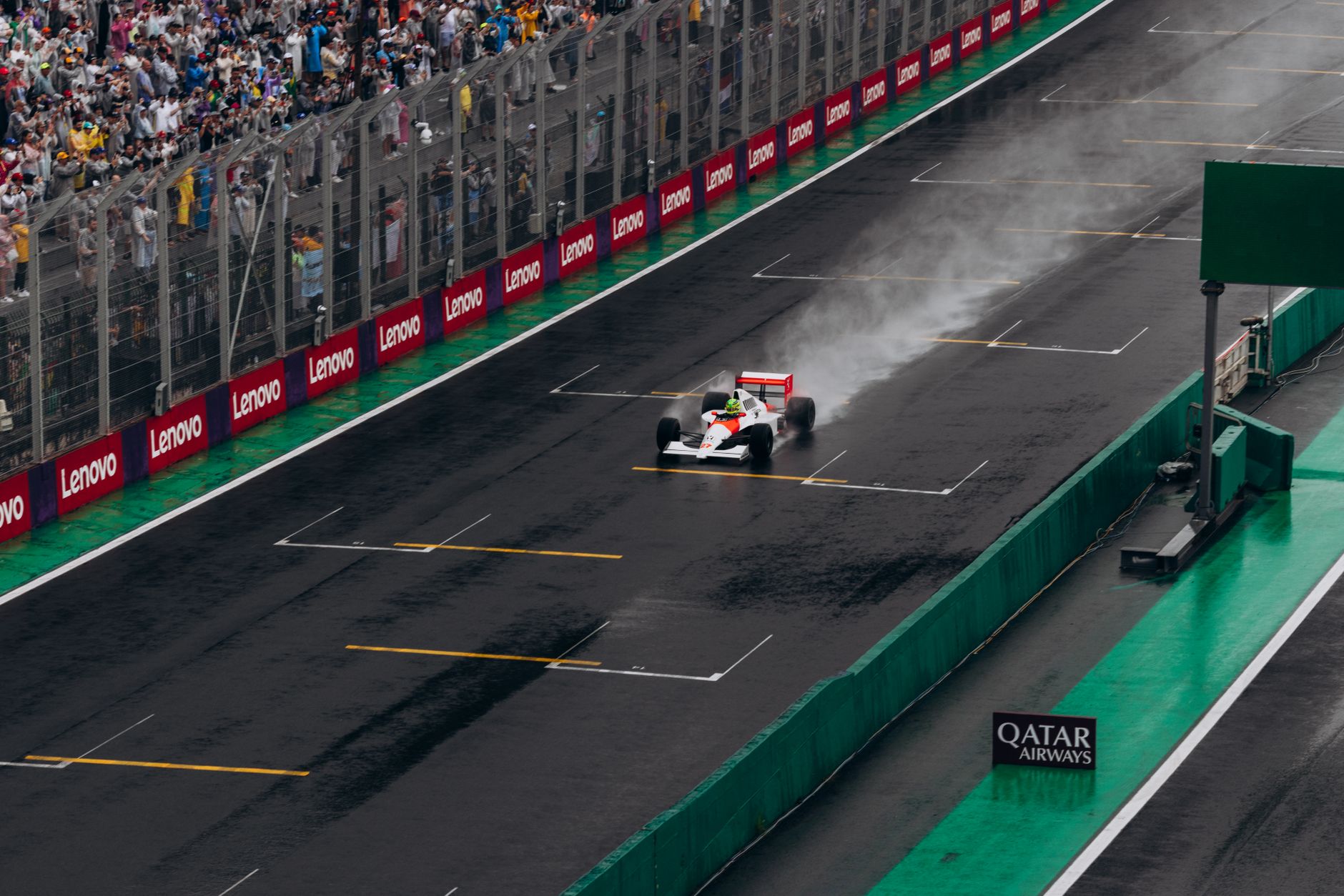
The defender’s problem
The lead car now has to think about when to spend energy as well as where to put the car. Defending well may mean deliberately not defending on one straight to have the charge for the next. That’s interesting tactically, and it also means a driver can look passive for reasons nobody watching can see.
What F1 should have asked for
The cleaner fix was always aerodynamic: cars that lose less downforce in dirty air, so a pass comes from a better exit and a later brake rather than a button. Active aero is a step toward that. Bolting it to an energy-limited overtake mode muddies the result.
The sport doesn’t need passes to be easy. It needs them to be legible, so that when a driver pulls one off, the viewer knows why it worked.