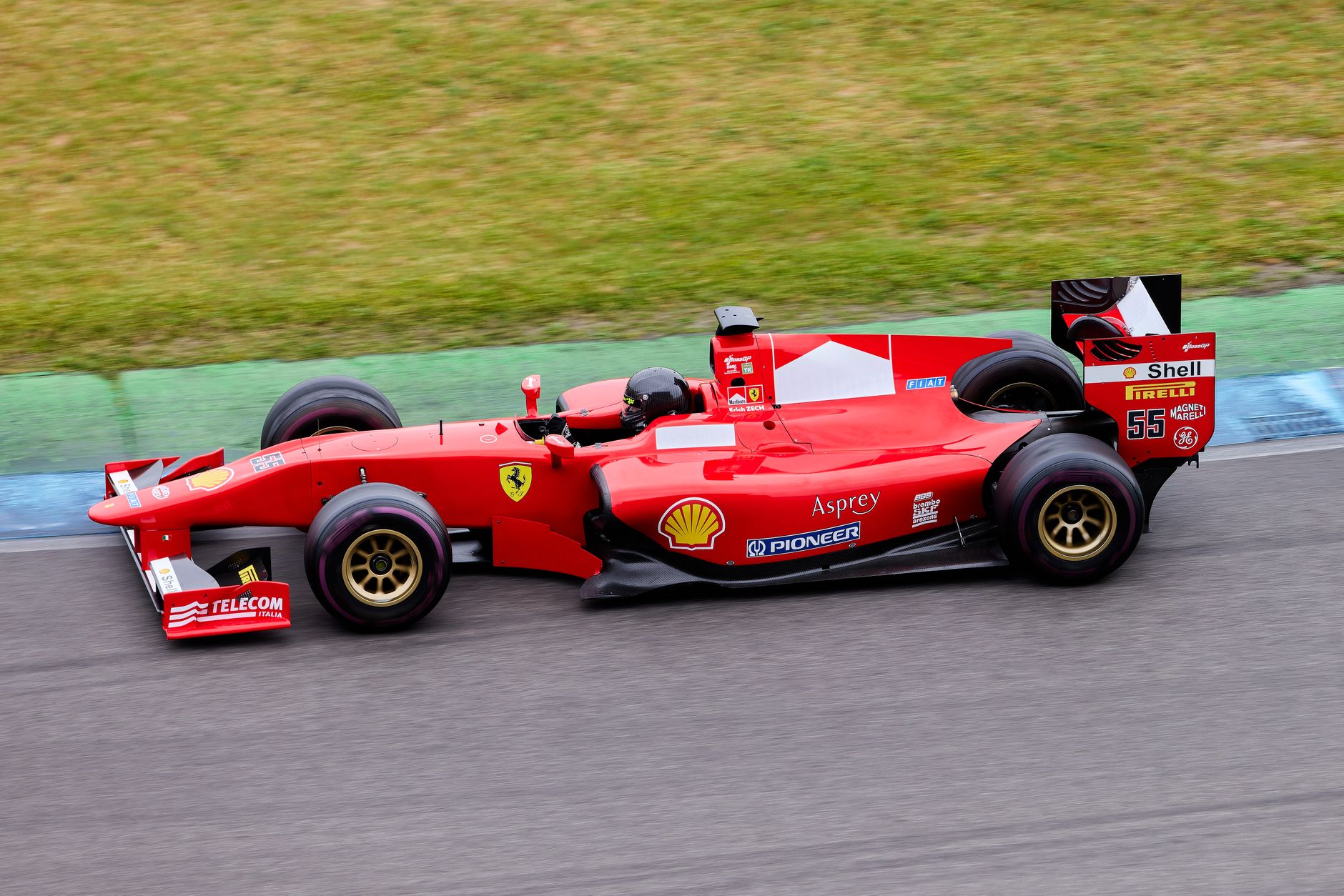
The 2026 regulations were supposed to fix overtaking by making the cars follow each other more cleanly through corners. What nobody quite planned for is that a large portion of the overtaking in the DRS era wasn’t really overtaking at all - it was a timed button press on a straight. Now the button is gone, and the sport is discovering that a lot of drivers had no idea how to actually attack.
The Dirty Air Problem Wasn’t Fully Solved
The 2022 cars made a genuine improvement in close-following capability. The 2026 regulations pushed that further, with a philosophy built around active aerodynamics replacing static downforce - the idea being that drag could be managed dynamically without a dedicated overtaking gimmick. In theory, cars could follow more closely through medium-speed corners and build genuine speed differentials.
In practice, teams found their way back to generating downforce through methods that still create turbulence behind the car. The aerodynamic arms race doesn’t pause for regulation cycles. By the second race weekend of 2026, engineers had already identified that following within 1.5 seconds through high-speed sections was producing handling instability almost as severe as the pre-2022 era. The problem migrated rather than disappeared.
What the Drivers Are Actually Saying
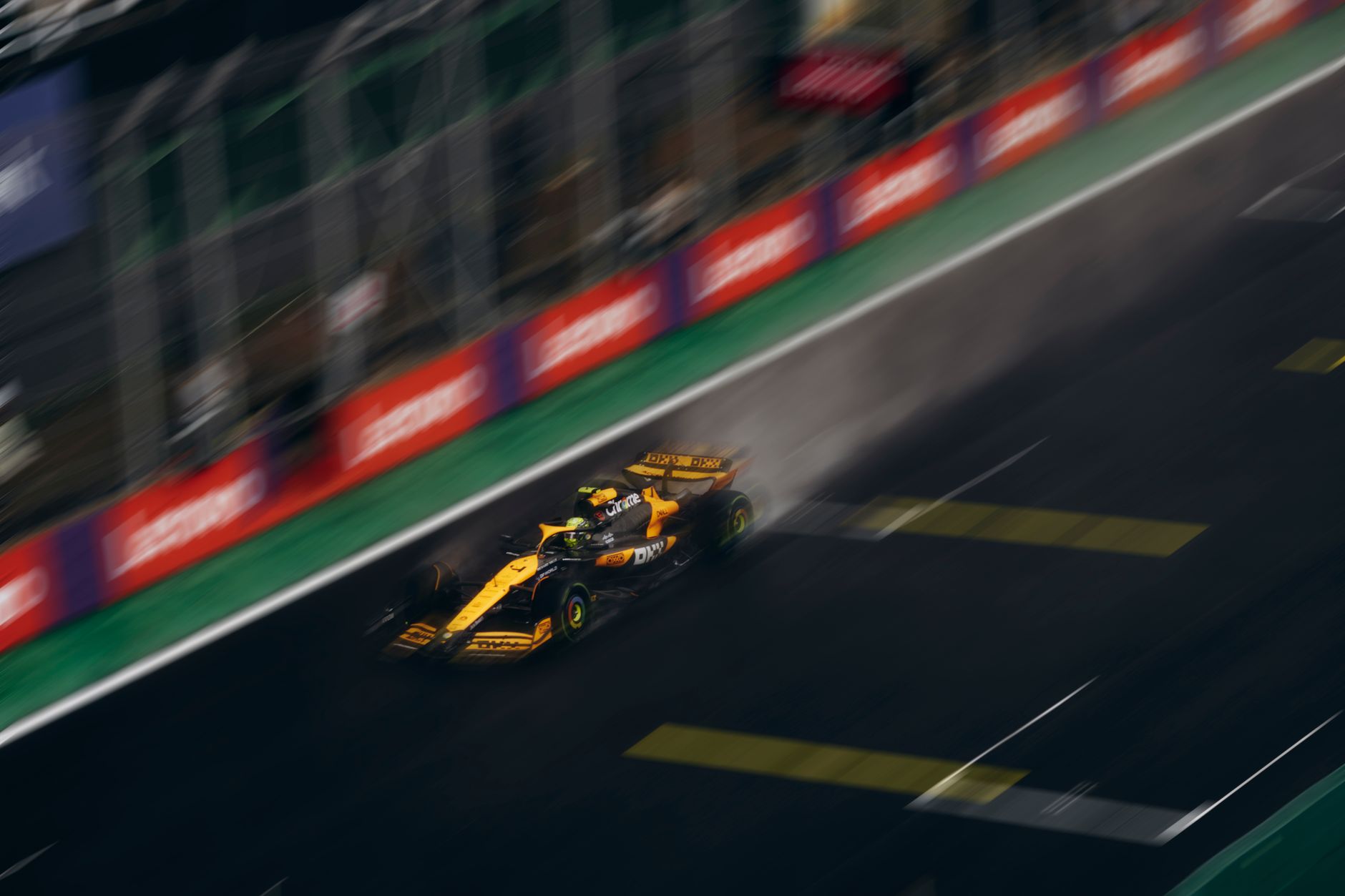
Several drivers commented through the early part of the 2026 season that the racing felt more honest - you could carry more corner speed in traffic - but that translating that into a pass remained brutally hard without the artificial straight-line delta that DRS provided. That honesty is real. Watching two cars run nose-to-tail for eight laps without a position change is genuine racing. It’s also not particularly interesting to a mainstream audience that spent a decade watching DRS passes and calling it action.
The Bit Teams Haven’t Admitted
Strategy has quietly become the only reliable mechanism for position changes at circuits with limited overtaking opportunities. Which means what we’re really watching, week to week, is pit wall racing with cars as set dressing.
That was true in the DRS era too, but at least there was the occasional piece of on-track drama to obscure it. Whether F1 finds a solution here - genuinely, not through another regulatory patch - probably depends on whether it’s willing to admit the problem in those terms. So far, that admission hasn’t come.