
There’s a version of this argument that gets made every few years, usually after a defense-first team wins a title: that the pick-and-roll has been figured out, that switching and drop coverage have neutered it, that the action itself is obsolete. It’s a tidy narrative. It’s also wrong.
What’s actually happening is more specific. The pick-and-roll is being misused - run too early in the shot clock, initiated by the wrong ball-handler, or set by a big who can’t credibly threaten from the elbow. When those variables are off, defenses switch comfortably and nothing breaks down. But that’s a personnel and timing problem, not a structural one.
The Action Still Works When the Threat Is Real
Look at what Minnesota did in stretches of the 2024 playoffs with Rudy Gobert setting screens. Gobert is not a shooter - everyone in the building knows he’s not going to catch and fire from the arc. And yet, because defenses had to account for him rolling hard to the rim, the spacing above him opened up. The threat didn’t need to be real in a shooting sense; it needed to be real in a positioning sense.
Contrast that with teams running the same action with a stationary big who neither rolls nor pops with conviction. The defense reads it in half a second. The coverage doesn’t stress anyone.
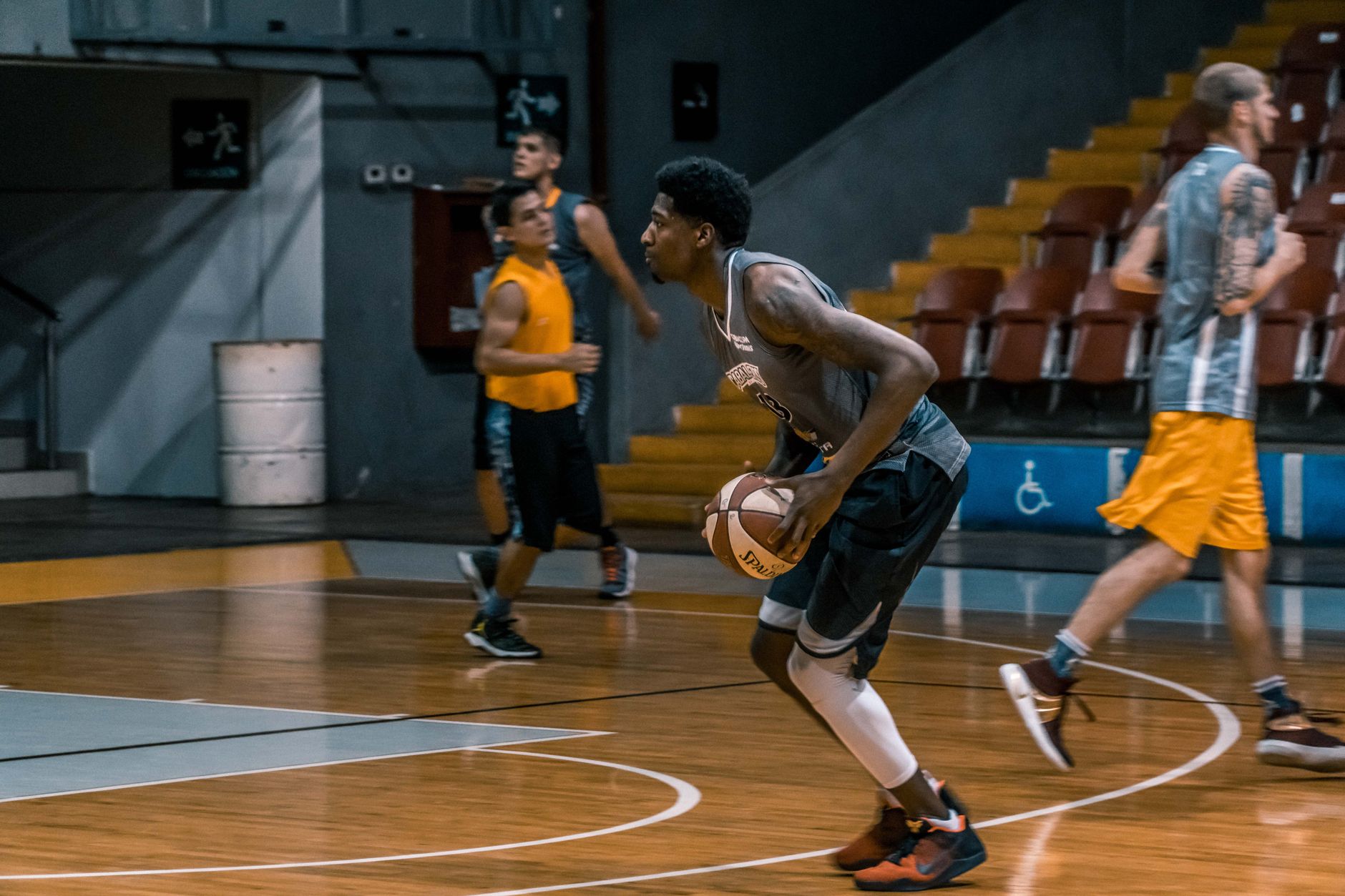
The better teams are also more patient with timing. They’re not triggering the pick-and-roll off the catch. They’re using off-ball movement to pull one defender out of position first, then initiating - so the screen is catching a defense mid-rotation rather than fully set.
The Real Issue Is Point Guard Decline
This part tends to get glossed over. The action is only as dangerous as the ball-handler reading it. A guard who can only go left, or who telegraphs the pocket pass, or who doesn’t punish the hedging defender by turning the corner - he’s not running a pick-and-roll. He’s just dribbling into a traffic jam.
The NBA pipeline has produced exceptional shooting guards and wings over the last decade. True pick-and-roll point guards - the kind who can make three correct reads in two seconds - are rarer than they were in 2012. That scarcity is probably why the action looks less effective league-wide. It’s not that defenses caught up. It’s that the athletes running the action got less specialized.
Whether that changes with the next generation of point guards coming through - some of whom are genuinely interesting in this regard - is something worth watching more carefully than most people currently are.